What quality management covers
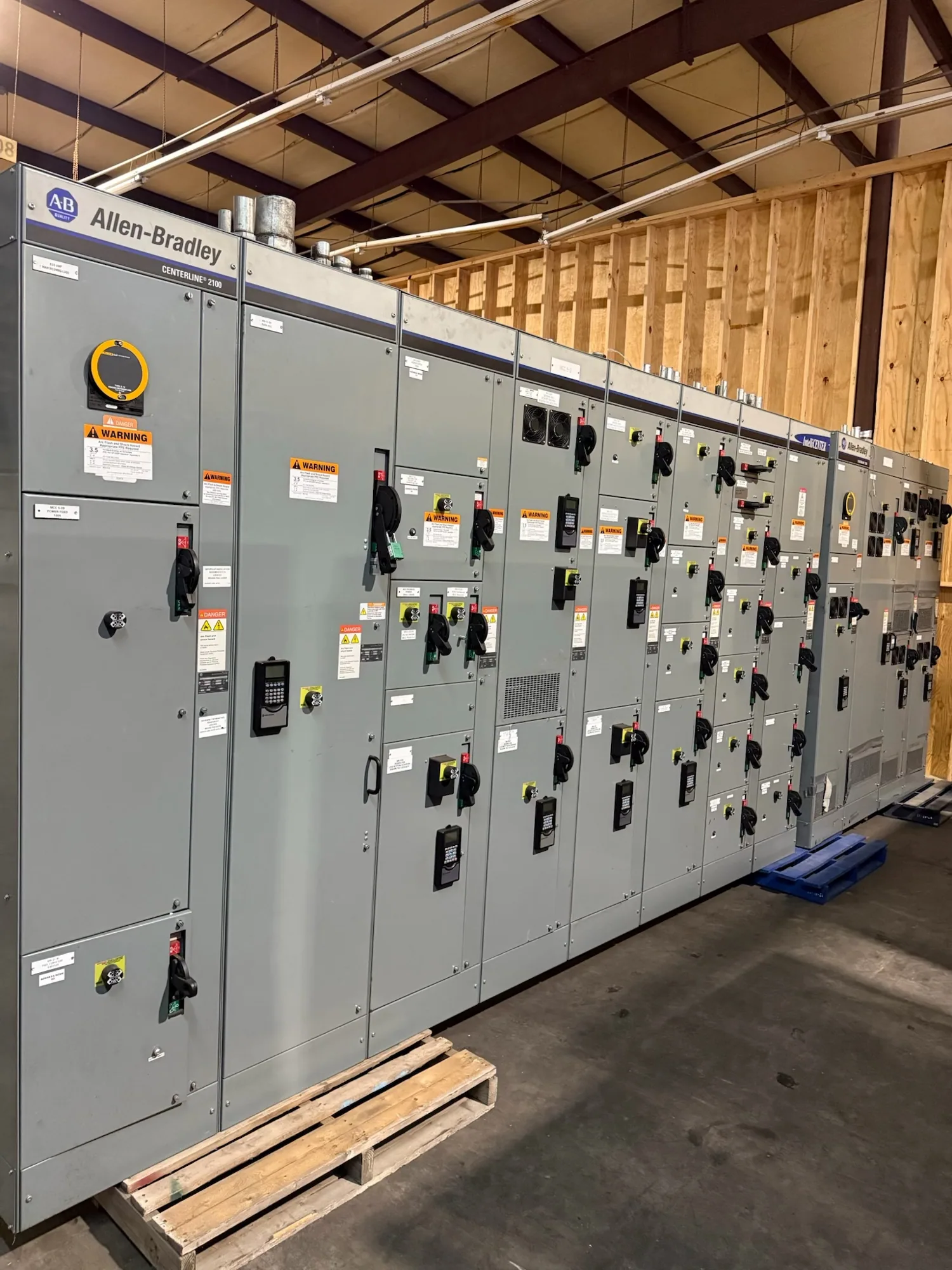
Quality management for switchgear is the planned work used to translate an approved project specification into equipment that can be reviewed, inspected, and prepared for delivery. It may include design review, inspection points, records, issue resolution, and document control. The exact process and evidence depend on the equipment, contract, and manufacturer’s established capabilities; buyers should ask what applies to their project rather than assume a particular certification or procedure.
For a new assembly, quality is not established by a final visual check alone. Important controls can occur before fabrication, during assembly, and at completion. A project may also depend on components supplied by other manufacturers and on field work performed by contractors. Clarifying who is responsible for each activity helps prevent gaps between the equipment supplier, owner, engineer, and installer.
Start with a controlled design basis
Before fabrication, align the approved one-line diagram, equipment schedule, specifications, and required submittals. Confirm the intended application, voltage class, bus and feeder arrangement, protective-device requirements, enclosure conditions, and interfaces with adjacent equipment. The responsible engineer should resolve conflicts among documents and identify which revision governs. Changes after approval need a defined review path so that an updated drawing does not leave procurement or assembly working from an earlier basis.
Standards and codes apply in different ways. The equipment’s design and construction may be governed by product standards, while installation requirements, utility rules, and authority having jurisdiction decisions can affect the project. UL 891 may apply to eligible low-voltage switchboards, but applicability and the listing status of a specific assembly must be confirmed. It is not a standard for medium-voltage switchgear. Ask the project engineer to identify the requirements that apply to the actual design.
Plan inspections and traceability
An inspection plan identifies what will be checked, when the check occurs, who performs it, and what record is retained. Depending on the approved scope, checkpoints may address incoming components, workmanship, wiring and labeling, mechanical operation, or completed documentation. Ask for the planned checks in terms of your equipment and specification. Do not assume that every possible inspection, measurement, or hold point is part of a standard build.
Traceability can connect installed components and design revisions to purchasing and inspection records. Its useful level depends on contract requirements and the manufacturer’s systems. If component-level identification, certificates, or a particular record format matters, state that need early and ask whether it can be provided. Components sourced externally may have their own documentation, while the switchgear manufacturer remains responsible for clarifying how supplied items are incorporated into the assembly’s project records.
Address nonconformances and changes
A quality process should give project participants a way to document a discrepancy, evaluate its effect, and agree on a disposition before affected work proceeds. Buyers can ask how issues are recorded, who approves a proposed correction or deviation, and how the final record is tied to the equipment. The right disposition depends on engineering review and contractual authority; an informal field change should not silently replace an approved design.
Design changes, substituted components, and revised customer requirements also need clear control. Establish who may request a change, who evaluates technical consequences, and how cost or schedule effects are communicated. If a contractor’s field installation or external supplier’s work falls outside the manufacturer’s direct control, define the handoff and evidence expected from that party. This distinction helps avoid treating a supplier document as proof of the complete assembly’s conformity.
Review evidence without assuming certification
Useful project evidence may include approved drawings, inspection records, material or component documentation when specified, deviation dispositions, and final equipment documents. A factory acceptance test may be included when the contract calls for one, but its scope, witness arrangements, acceptance criteria, and report should be agreed in advance. A test does not replace design review or establish that every project requirement has been met. Ask what each record demonstrates and what remains outside its scope.
Request evidence proportionate to the risk and contract, and agree on timing so owner review does not delay fabrication or shipment. Review submittals for configuration, labels, interfaces, and outstanding exceptions; direct technical questions to the responsible engineer. Listing, testing, ratings, and standards claims require confirmation for the specific supplied design. Avoid relying on a general capability statement as a substitute for project documents or written confirmation.
Prepare a useful quality review checklist
Before releasing a new switchgear order, provide the latest coordinated drawings and specification, identify required standards and project approvals, and list the records needed at each stage. Name the people authorized to approve drawings, deviations, and changes. State whether inspections or a factory acceptance test are requested, what acceptance criteria apply, and whether witness notice is needed. Confirm how comments will be resolved and which document revision will govern fabrication.
Then align the quality plan with the purchasing schedule, submittal review, component procurement, and delivery coordination. Ask which checks are performed by the manufacturer, which records come from external suppliers, and which tasks belong to the installing contractor. South Carolina Switchgear Builders manufactures new equipment to specification, with US-built production, all-American components, short lead times, and nationwide shipping; project-specific scope, documentation, availability, and delivery timing should be confirmed against the order. A clear, agreed evidence plan gives the project team a practical basis for reviewing the finished equipment and coordinating the next stage.