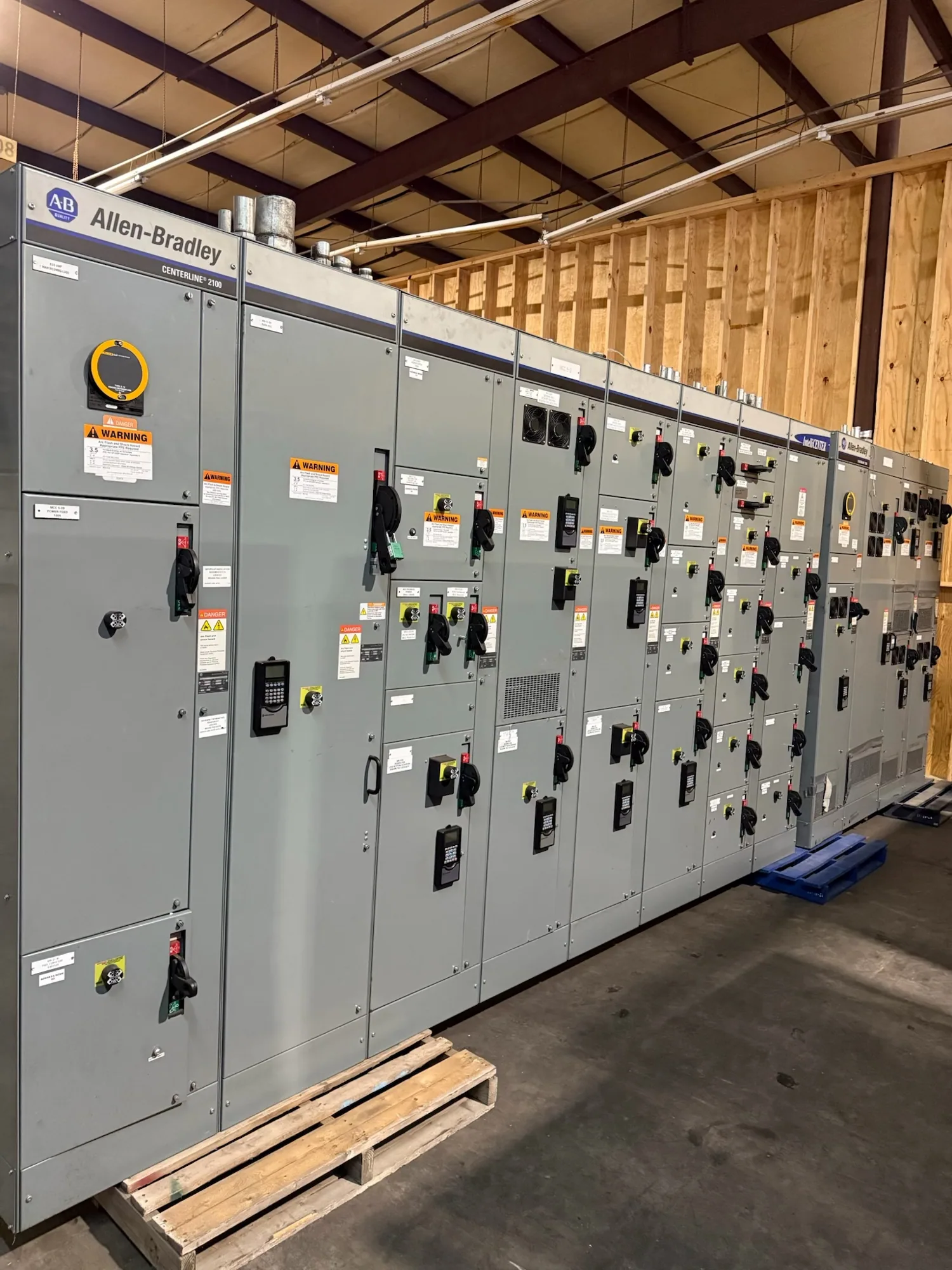
Start with the campus distribution plan
A commercial campus may combine offices, retail, laboratories, parking structures, central plants, and other buildings with different operating schedules and load profiles. New metal-enclosed switchgear can be part of the distribution plan where the project requires controlled switching, feeder protection, or a defined point for distributing power. Its role depends on the specified equipment class, system arrangement, and project design; the enclosure label alone does not establish suitable application or capability.
Begin by mapping how power enters and moves through the campus: utility or upstream source, main distribution equipment, feeders, transformers, and building services. Identify which structures are served by each feeder, planned expansions, and any tenant or mechanical-load changes that could affect demand. This map helps the project team evaluate whether equipment should serve a central distribution point, a particular building, or a phased expansion, rather than treating every campus as one uniform load.
Match construction and switching to the application
Metal-enclosed switchgear is a broad description, not a complete construction specification. Confirm the equipment class and applicable design requirements with the responsible electrical engineer. The specified class affects which switching devices and compartments are appropriate, how isolation is accomplished, and what operating and access provisions are required. Project documents should define the intended arrangement and interfaces rather than relying on a generic request for “campus switchgear.”
Review each switching device against its intended function, such as controlling an incoming source, a feeder, or a connection to another distribution section. Where tenant turnover or building work is expected, ask how the proposed arrangement supports planned isolation and construction sequencing. Confirm required interlocks, metering provisions, control interfaces, and compartment access from the design documents. These are project-specific details; the equipment supplier should receive the approved requirements, not infer operating procedures or protection design.
Plan feeders, grounding, and service access
Distributed campus feeders create practical coordination questions. Provide a one-line diagram showing sources, feeder destinations, transformers, and any normally open or alternate connections. Identify cable entry direction, termination requirements, available space, and the equipment interfaces on either side of the proposed lineup. The engineer should determine grounding and bonding requirements for the system and installation. The manufacturer can configure equipment to the supplied specification, but the project team must establish the governing design and site conditions.
Service access deserves attention before layouts are finalized. Confirm room dimensions, door and corridor clearances, equipment access paths, working space, ventilation needs, and the locations of adjacent piping or other obstructions with the responsible design and installation teams. If construction occurs while campus buildings remain occupied, identify outage windows, temporary-power assumptions, and the sequence for moving or connecting feeders. Equipment supply does not by itself provide site installation, commissioning, or field service.
Resolve continuous-current requirements carefully
Continuous-current selection should follow the actual load and equipment design, not a rule of thumb based on building count. The project engineer should assess expected operating current, load diversity, future capacity, bus requirements, and the current ratings of individual switching devices. Confirm that the specified bus and devices suit the intended continuous duty and system conditions. A higher rating may affect equipment dimensions, cost, or coordination with connected conductors, so added capacity should be an intentional design choice.
Provide the load basis, operating profiles, anticipated mechanical additions, and planned tenant changes. Also identify enclosure and room conditions that could affect equipment temperature or cooling, along with any project-specific derating assumptions. Ask the engineer to state the required ratings and applicable design conditions in the procurement specification. Actual ratings and suitability depend on the selected assembly and verified configuration; no generic campus figure can establish them. Confirm the final equipment data against approved project documents before release.
Coordinate metering, protection, and interfaces
Campus owners may need visibility into building or tenant consumption, but metering scope can vary by ownership boundaries, billing arrangements, and the electrical design. State what measurements are required, where they must be taken, and whether signals must connect to a campus monitoring or building-management system. Specify instrument, communications, and control interfaces only after coordination with the engineer and systems integrator. Do not assume that a meter, communications protocol, or monitoring function is included unless the equipment specification confirms it.
Protection and coordination are equally important where feeders supply different building types or critical mechanical loads. Provide available system information and the required protection study inputs through the responsible engineer, who should define device functions, settings, and coordination requirements. Identify any source transfer, backup generation, or other operating modes that affect the lineup. The manufacturer needs clear, approved requirements to build the specified equipment; engineering studies and field verification remain separate project responsibilities unless expressly included in a defined scope.
Prepare a campus-specific purchase scope
For a useful quotation, assemble the one-line diagram, equipment class, system voltage, required continuous-current ratings, feeder schedule, switching functions, metering and control scope, grounding requirements, cable entry details, and applicable project specifications. Include room and access constraints, environmental conditions, planned expansion, and construction-phasing assumptions. Flag open engineering decisions rather than silently leaving them to interpretation. The RFQ should identify the requested documents, review process, and any project-specific testing or listing requirements for confirmation.
South Carolina Switchgear Builders manufactures new, US-built equipment using all-American components, with custom configurations to specification, and ships nationwide. Availability and actual lead times depend on the order and must be confirmed. Before purchase, resolve design responsibility, submittal review, interface boundaries, delivery coordination, and who handles installation and field testing. Qualified personnel must perform installation, testing, and maintenance under applicable safety procedures. A complete scope lets the project team compare proposals on defined requirements and coordinate equipment with campus construction plans.