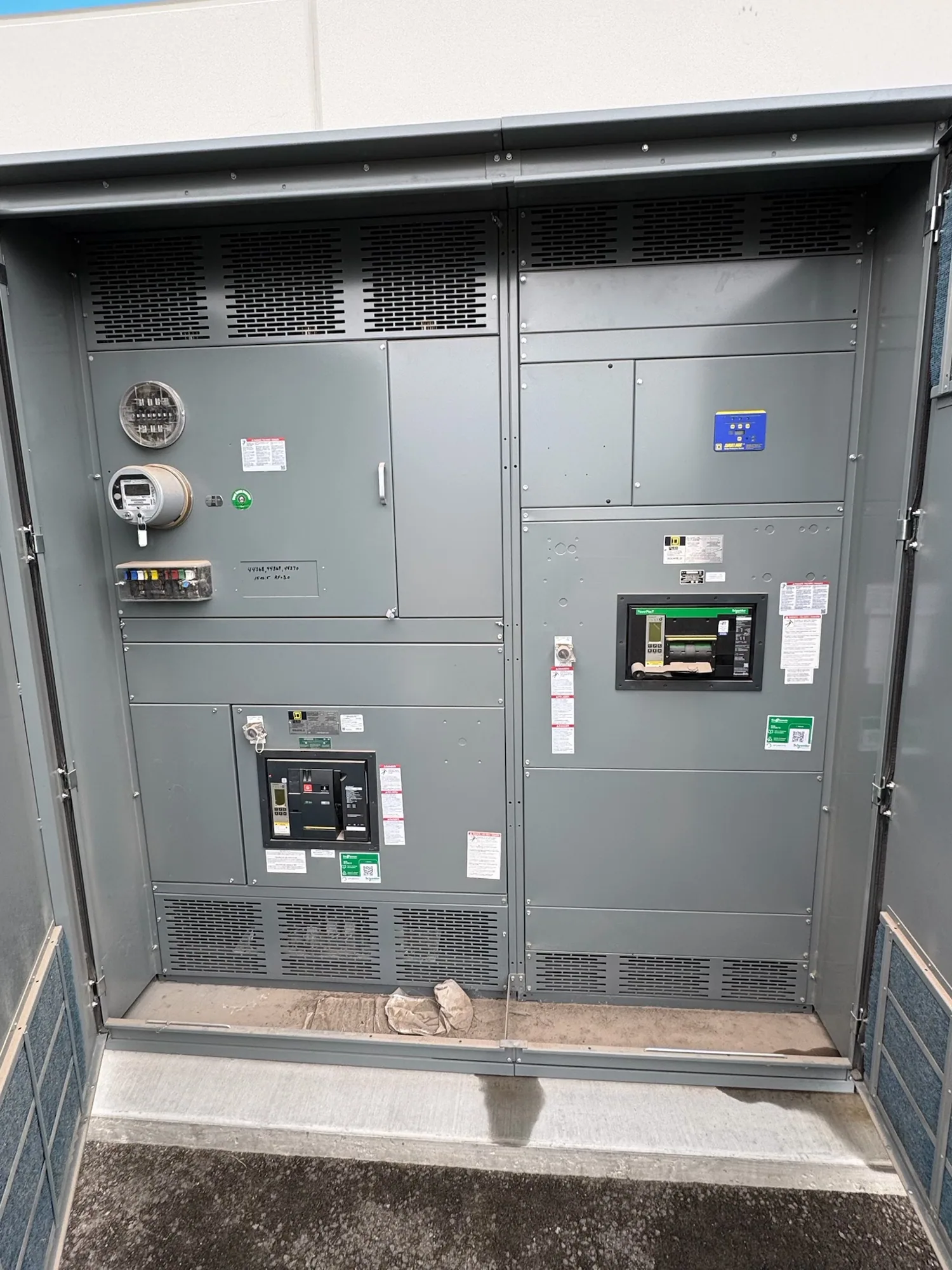
Start with one controlled scope
Buyers can make switchgear bids comparable by issuing the same complete request for quotation to every manufacturer, then checking each response against a shared scope-normalization matrix. A low total is not meaningful if one proposal includes installation or testing that another excludes, or if the equipment differs in ratings or configuration. Compare like-for-like scope first; evaluate price, schedule, and qualifications only after documenting differences.
Identify the equipment type and application precisely. State whether the request is for low-voltage switchboards, such as a 480 V class design, or medium-voltage switchgear, such as 5 kV or 15 kV class equipment. Provide project drawings and specifications where available, along with the intended use, system information, and design criteria established by the responsible project engineer. Do not assume a vendor will infer missing requirements consistently.
Build a scope-normalization matrix
Create one row for every material requirement and columns for the specification, each bidder’s response, exceptions, and clarification status. Include the proposed equipment lineup and sections, incoming and outgoing arrangements, protective devices, metering, controls, accessories, enclosure details, and connections. The exact requirements depend on the project; the engineer should confirm what applies. Mark each item as included, excluded, alternate, or unresolved rather than treating silence as agreement.
Normalize electrical ratings and design assumptions separately from commercial features. Compare the specified voltage class and all project-required ratings and characteristics, but have the responsible engineer verify that each offered design satisfies the actual system and specification. Ask bidders to identify deviations explicitly and explain their effect. Avoid judging two proposals equivalent based only on a product label or a headline rating: the complete assembly configuration and the project requirements matter.
Make exclusions and deliverables visible
Record exactly what the price covers: equipment supply, engineering or drawing submittals, approved documentation, accessories, and any other requested deliverables. Separately list items not included, such as field installation, site work, interconnecting conductors, commissioning, or services, if applicable. These are not automatic parts of an equipment quote. Ask bidders to define ambiguous boundaries so the buyer can identify costs that may fall elsewhere in the project budget.
Compare documentation on the same basis. Specify the drawings, bills of material, operating and maintenance information, and other records the project requires, and ask each manufacturer to confirm what it will provide and when. If an assembly listing or particular standard is required, identify that requirement and request confirmation for the specific proposed design. UL 891 applies to eligible low-voltage switchboards; its applicability and any assembly listing must be verified for that design. It does not apply to medium-voltage switchgear.
Align testing, freight, and schedule assumptions
State the requested factory testing and documentation in the RFQ, then compare each bidder’s exact response. Ask what tests are included, what is optional, whether witness participation is available, and what records will be supplied. Factory acceptance testing should be defined against the approved equipment and project requirements; the term alone does not establish identical test scope. Qualified personnel must conduct testing under applicable safety procedures.
Freight can also create a misleading price comparison. Ask whether the quote includes packing, shipment, and delivery to the stated destination, and identify any assumed delivery terms or excluded handling. Request a schedule basis and the events that affect it, including approval of drawings or release to manufacture. Lead times and delivery dates depend on order details and must be confirmed; compare stated assumptions, not an unqualified promise.
Use clarifications to resolve real differences
For example, suppose one offer has a lower equipment price but excludes specified metering and factory test records, while another includes both and quotes freight separately. The matrix makes the apparent price gap explainable. Ask the first bidder to price the omitted scope and ask the second to identify its freight basis. Then compare revised totals alongside technical compliance, qualifications, and schedule assumptions.
Do not “level” bids by silently deleting requirements or accepting an unexplained deviation. If a requirement is unclear, request the same clarification from each bidder and preserve the answer in the evaluation record. If a proposed alternate could change protection, operating arrangements, footprint, documentation, or interfaces, refer it to the project engineer before treating it as equivalent. A commercial comparison cannot replace engineering review of the actual offered design.
Prepare a useful RFQ and decision record
Before requesting prices, assemble the current specification and drawings, equipment quantities, project location, required submittals, testing expectations, and requested delivery terms. List open design questions rather than allowing different bidders to make incompatible assumptions. Ask each manufacturer to return a completed compliance schedule, itemized exceptions, included and excluded scope, pricing basis, and schedule assumptions. This gives reviewers a consistent record for technical and commercial evaluation.
At award, carry accepted clarifications and deviations into the purchase documents so the agreed scope is unambiguous. Confirm the final configuration, ratings, documentation, testing, availability, and delivery details against the approved project requirements and supplied equipment. South Carolina Switchgear Builders manufactures new, custom-to-specification switchgear and switchboards in the United States and ships nationwide; configuration and actual lead time depend on the order. A disciplined comparison helps buyers select on verified scope and fit, not price alone.