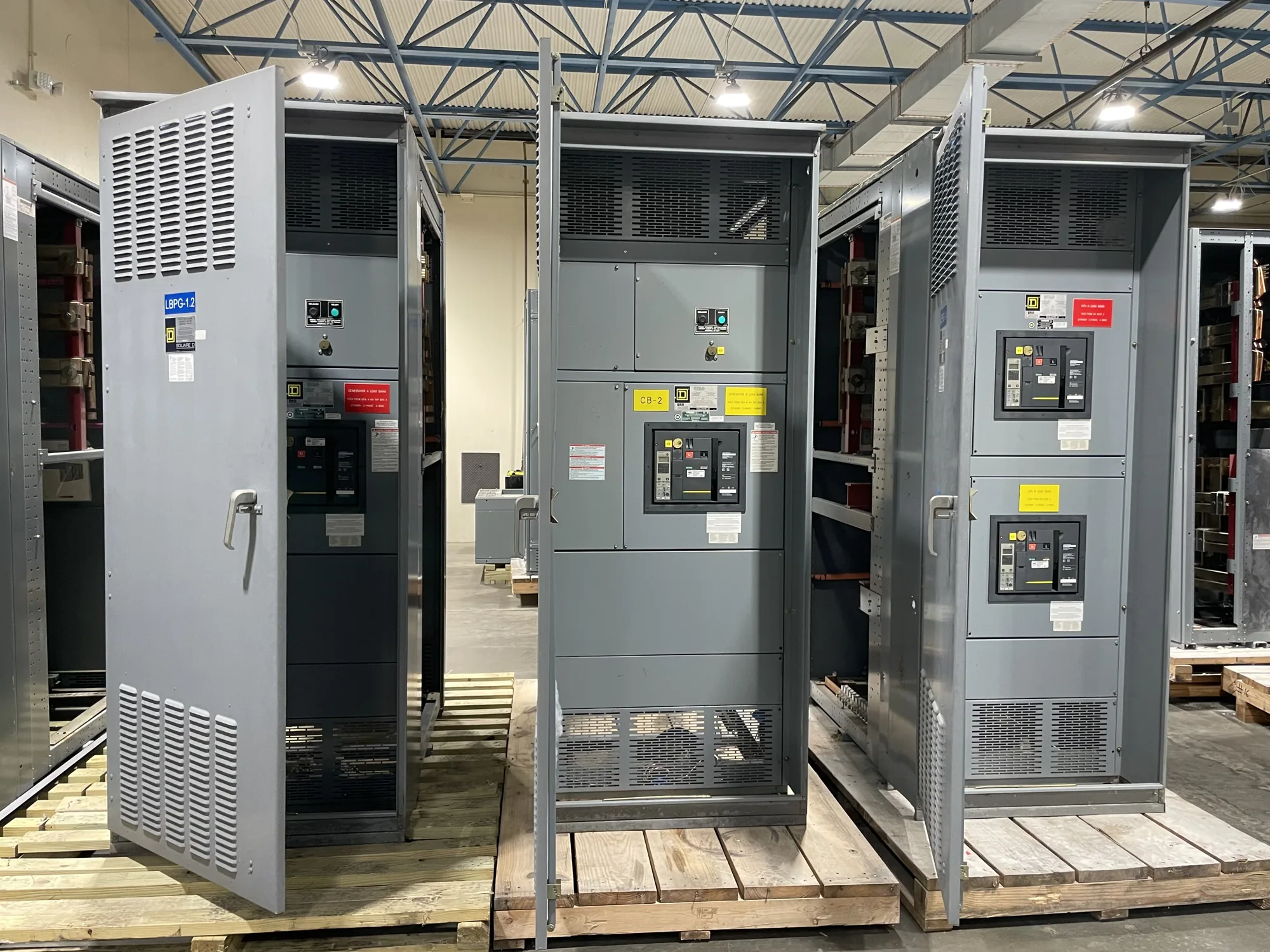
Start with the project scope — New Switchgear RFQ Checklist
A useful request for quotation describes the complete equipment need, not just a product name. Identify the facility and application, the equipment being replaced or added, the project phase, and the requested quantity. State whether the scope includes only the switchgear assembly or also accessories, engineering documents, factory testing, packaging, or other deliverables. Mark confirmed requirements separately from items still under review.
Define who will use the quote and what decision it must support. An engineer may need a technically compliant configuration, while a purchasing team may also need clear exclusions and delivery assumptions. Name the contacts responsible for technical questions, commercial questions, and schedule coordination. A well-scoped RFQ helps South Carolina Switchgear Builders evaluate a new, custom-to-specification assembly without guessing at the project's intent.
Provide the electrical basis of design
Include the latest one-line diagram and identify its revision and date. Show the source and arrangement of incoming power, buses, feeders, tie breakers, transformers, generators, and major loads as applicable. Call out the intended lineup arrangement, connection points, and any interfaces with existing equipment. If the drawing is preliminary, label it as such and explain which decisions remain open.
Ask the responsible project engineer to provide available fault-current information and the required short-circuit ratings at the relevant points. Include the assumptions or study documents behind those values when available. Do not substitute an estimated fault level for an approved design basis. Rating selection can affect equipment design, protection coordination, and compatibility with the electrical system; the engineer and manufacturer should resolve discrepancies before the quote is treated as final.
Specify ratings, configuration, and operating needs
State the system voltage class and required electrical ratings that the design team has established. Identify the required continuous current, frequency, withstand or interrupting requirements where applicable, and grounding arrangement. For a 480 V class project, distinguish low-voltage switchgear or switchboard requirements precisely; for 5 kV or 15 kV class equipment, identify the medium-voltage application. The equipment type and ratings must follow the project specification, not an assumed category.
Describe the intended lineup: number and type of sections, incoming and feeder devices, bus arrangement, metering, relaying, control power, and accessories. Note preferred breaker types or protection functions only when they are established project requirements. Explain operating priorities such as source transfer, maintainability, monitoring, or future provisions. Each added feature may affect space, interfaces, documentation, and cost, so identify mandatory functions separately from preferences for the manufacturer to review.
Resolve physical constraints and interfaces
Attach equipment-room plans, elevations, and access information. Provide available room dimensions, door and ceiling constraints, aisle clearances specified by the project, cable entry direction, and the intended route from receiving to final placement. Identify whether cable connections are top or bottom entry and include relevant conductor or bus interface details if known. The project engineer should confirm clearances and installation requirements rather than relying on a quote drawing alone.
List interfaces with other equipment and trades, including control wiring, communications, protective devices, upstream or downstream gear, and building systems. State who supplies each item and who is responsible for interconnection. If the scope depends on matching existing equipment, provide its verified nameplate data and interface drawings. This information helps expose coordination issues early; it does not guarantee that an existing installation can accept a proposed configuration without engineering review.
Set schedule, delivery, and documentation expectations
Give the required on-site date, the date a purchase decision is expected, and any milestone that drives the project. Ask the manufacturer to confirm availability and the actual lead time for the proposed configuration; timing depends on the order and must be confirmed. Identify the delivery destination, receiving restrictions, unloading responsibility, and any required appointment or packaging considerations. Clarify whether the quote should include freight or state it separately.
List the submittals and closeout documents required, such as layout drawings, wiring information, bills of material, operating documentation, or test documentation. State review deadlines and the format or approval sequence if established. Specify any required standards, listing, ratings, or tests by reference to the project documents, and request confirmation for the exact proposed assembly. UL 891 may apply to eligible low-voltage switchboards; its applicability and assembly listing must be verified for the specific design, and it is not a medium-voltage switchgear standard.
Use a checklist before sending the RFQ
- Current one-line diagram, revision status, and equipment scope.
- Engineer-provided fault-current basis, short-circuit requirements, and system ratings.
- Lineup configuration, protection, metering, control, and accessory requirements.
- Room drawings, cable entry, connection details, and known installation constraints.
- Interface responsibilities, project milestones, delivery destination, and receiving needs.
- Required submittals, testing, listing, standards, and documentation for confirmation.
- Open questions, decision owners, requested quote format, and exclusions to identify.
Coordinate responsibilities and compare responses
Before release, have the owner or engineer approve the design basis and identify unresolved technical choices. The manufacturer can review the supplied requirements, identify information gaps, and clarify what the proposed equipment includes; project-specific ratings, listing, testing, and delivery commitments require confirmation. The contractor should validate field dimensions, access, installation sequencing, and connection responsibilities. Keep a single current drawing set so bidders are responding to the same scope.
When quotes arrive, compare them against the RFQ line by line rather than relying on headline price. Check stated ratings, included devices and accessories, exceptions, drawing and documentation scope, delivery assumptions, and unresolved questions. Ask for deviations to be made explicit and reviewed by the responsible engineer. A complete RFQ makes that comparison more meaningful and gives the project team a sound next step: resolve gaps, confirm the final specification, and proceed with a clearly defined new-equipment order.