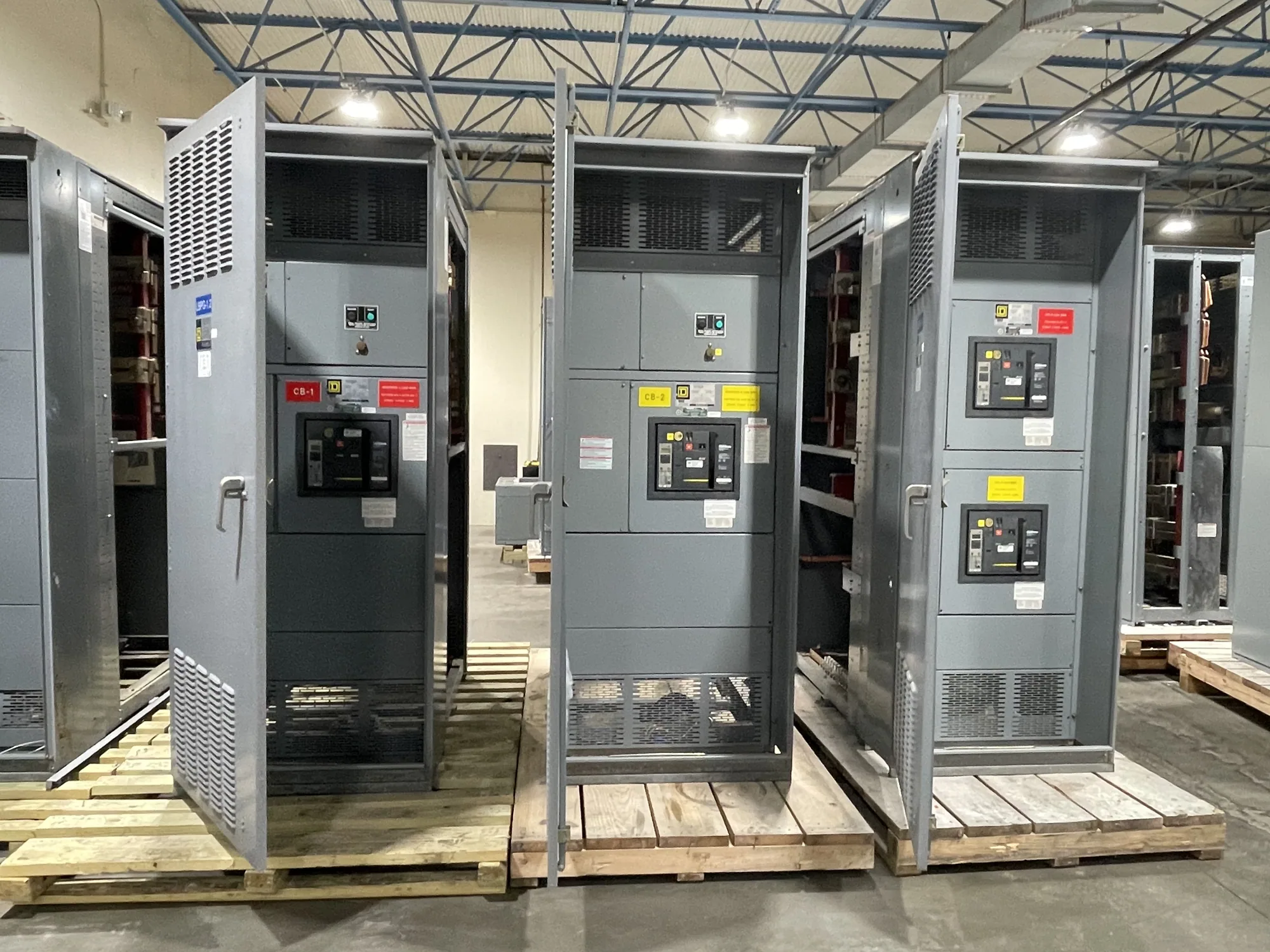
Start with the project stage and pricing purpose
A pricing request can support early budgeting, design development, or procurement planning. State which decision it will inform and how complete the project documents are. A preliminary concept with limited data can help frame equipment options, but it should not be mistaken for a finalized quotation. Identify open design questions so the response can separate confirmed scope from assumptions.
If the design is approved or substantially defined, include the current one-line diagram, specifications, equipment schedules, and relevant drawings. Note document dates and revisions, and identify any conflicts that need resolution. A clear document set helps the manufacturer assess the requested configuration rather than price an incomplete or superseded concept. If files are still being developed, say what information is preliminary and when updates may be available.
Define the electrical and equipment scope
Identify whether the request concerns low-voltage switchboards, medium-voltage switchgear, or another defined assembly. State the system voltage class and the project’s specified current and short-circuit requirements. Do not rely on a voltage label alone to describe the duty. The responsible project engineer should confirm system conditions and required ratings; the manufacturer needs those requirements to evaluate a proposed configuration.
Describe the source and loads served, including the number and type of incoming, tie, feeder, and other required devices shown in the design. Provide device functions and any specified trip, metering, or protection requirements. If ratings, frame sizes, settings, or device models remain open, identify them as unresolved rather than selecting values for the pricing request. Changes in device count or capability can affect both equipment scope and internal arrangement.
Clarify enclosure, construction, and interfaces
Include the specified enclosure type, installation environment, access and working-space constraints, and any project requirements for the assembly’s construction. Note indoor or outdoor placement where applicable, room limitations, cable entry preferences, and connections to upstream or downstream equipment. These details may influence the proposed arrangement, but the project team must confirm that the design satisfies site conditions and applicable requirements.
Describe control, communications, metering, and auxiliary-power needs when they are part of the scope. Identify interface responsibilities, such as which party supplies field wiring, external control devices, or connection materials. State whether accessories and documentation are requested, and call out any project-specific testing or inspection requirements for confirmation. Applicable listing, standards, ratings, and testing depend on the actual design and supplied equipment; request confirmation rather than assuming every configuration is covered.
Separate budget assumptions from quotation scope
A budget request is most useful when it names its boundaries. Ask for pricing based on the information available, and request a written list of assumptions, exclusions, and unresolved inputs. The result may support planning without establishing a purchase-ready equipment scope. It should not be treated as confirmation of final ratings, configuration, compliance, availability, or delivery date until those items are reviewed against the complete specification.
A scope-specific quotation requires enough detail to define what is being offered. If the design changes after submission, explain which revisions are current and request confirmation of their effect on the quoted scope. Compare responses on equivalent terms: equipment included, device quantities, accessories, documentation, testing, freight basis, and stated schedule assumptions. A lower or higher figure cannot be meaningfully assessed when the underlying inclusions differ.
Provide delivery and schedule information
Give the delivery destination, including the project location and any known receiving constraints. Explain the required arrival window, procurement milestones, and whether the date is firm or preliminary. Ask the manufacturer to confirm availability and an achievable schedule for the specific configuration. Lead times depend on the order, component requirements, design status, and other project details; do not assume that a general statement establishes a date for your equipment.
Clarify whether pricing should include freight and what delivery terms or responsibilities the project expects. Mention site access, unloading coordination, delivery-hour restrictions, or receiving appointments if they are known. These details can affect planning even when they do not change the electrical design. Confirm who will coordinate shipment and who is responsible for receiving and handling equipment at the destination.
Use a focused request checklist
- Project purpose, stage, and required decision date.
- Current one-line, specifications, schedules, drawings, and revision status.
- Equipment type, voltage class, specified ratings, source and load information.
- Incoming, tie, feeder, protection, metering, control, and accessory requirements.
- Enclosure and installation constraints, plus interfaces and scope boundaries.
- Testing or documentation requirements that need confirmation.
- Delivery destination, receiving conditions, freight expectations, and schedule.
Before sending, identify the person responsible for technical clarifications and the preferred process for resolving exceptions. Ask for written confirmation of the proposed scope, exclusions, open questions, availability, and schedule basis. South Carolina Switchgear Builders manufactures new equipment to specification, with US-built equipment, all-American components, and nationwide shipping; configuration and timing must be confirmed for the specific order. A complete, carefully qualified request gives both sides a practical basis for evaluating the next step.