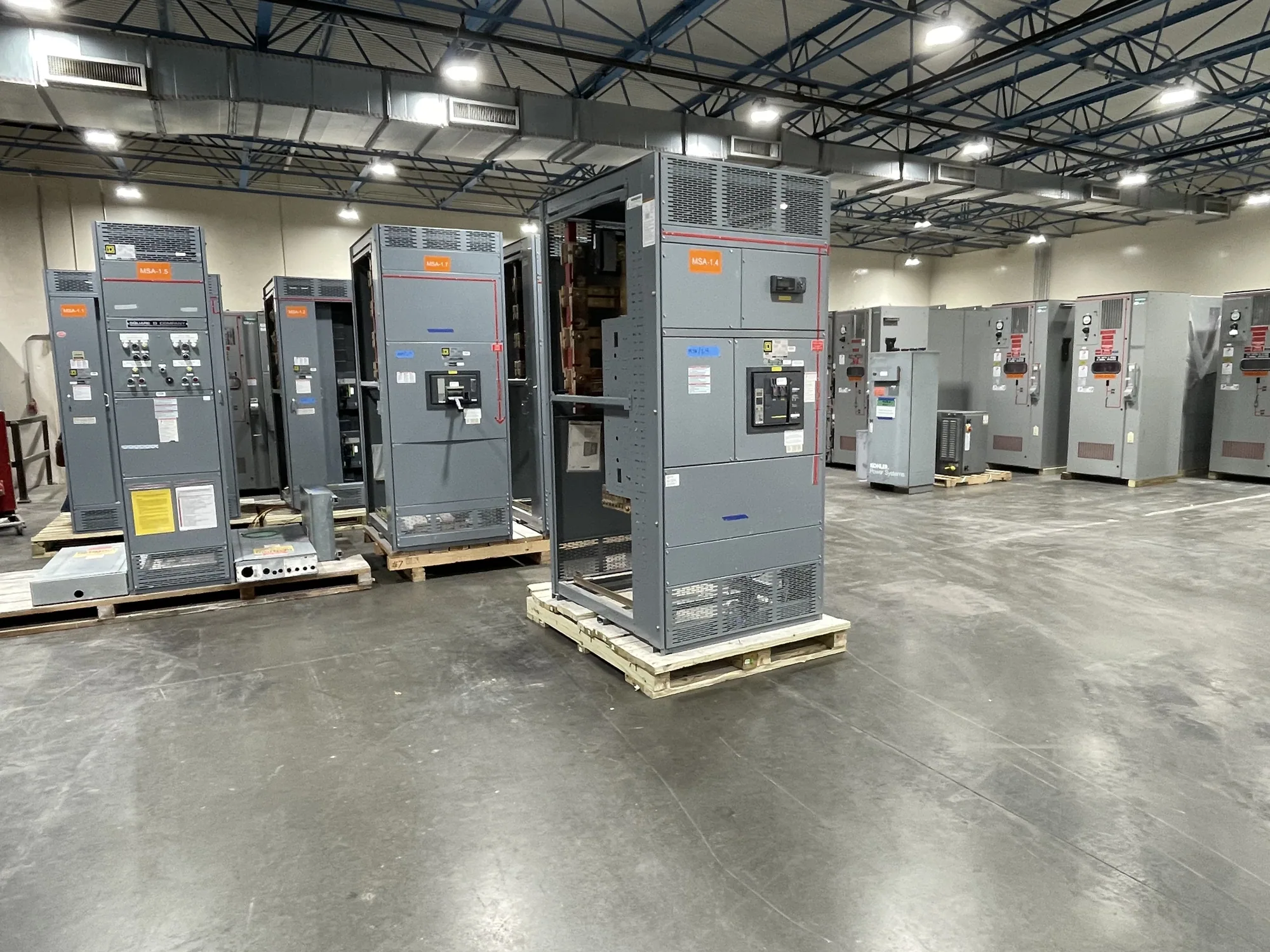
Start with the project scope — Where to Buy New Electrical Switchgear
Where to buy new electrical switchgear depends first on what the project needs, not simply on which seller is nearby. Define whether the requirement is for low-voltage switchboards, medium-voltage switchgear, or another specified assembly, and establish the operating conditions and interfaces the equipment must address. The project engineer and owner’s purchasing team should align on scope before requesting proposals.
Clarify whether the purchase covers equipment only or also drawings, engineering coordination, inspection, testing, startup support, or other services. Those responsibilities vary by supplier and contract; do not assume a distributor or manufacturer includes them. Identify who approves the design, who coordinates with the electrical contractor and utility where applicable, and who resolves discrepancies between the equipment proposal and project documents.
Two common purchasing paths
A manufacturer-direct purchase puts the equipment discussion and commercial order with the company producing the assembly. This route can make it straightforward to communicate custom requirements, review the proposed scope, and ask which design details need confirmation. South Carolina Switchgear Builders manufactures new switchgear and switchboards in the United States and ships nationwide. Configurations are custom to specification, with availability and actual lead times confirmed for each order.
A distributor may serve as the purchasing point between the project and one or more equipment manufacturers. Depending on its role and the proposal, a distributor may coordinate product selection, purchasing documents, or multiple project items. Ask which company will manufacture the specific assembly, who is responsible for technical clarifications, and who will provide drawings and order updates. Do not infer a supplier’s authorization or manufacturer relationship without verifying it.
Compare technical responsibility, not just price
Compare proposals on equivalent technical scope. Check the stated product type and voltage class, configuration, ratings, construction, and project interfaces against the engineer’s requirements. For example, 480 V class equipment is low voltage, while 5 kV and 15 kV class equipment are medium voltage. Avoid treating a familiar product label as proof that the proposed assembly meets the project specification; have the responsible engineer review differences and exceptions.
Ask each seller to identify design assumptions, exclusions, and information still needed to finalize the assembly. Determine who prepares and reviews submittal drawings, how revisions are handled, and what documentation accompanies shipment. If a listing or particular testing is required, request confirmation for the specific proposed design and its supplied configuration. UL 891 applies to eligible low-voltage switchboards; applicability and assembly listing must be verified. It does not establish a listing for medium-voltage switchgear.
Verify commercial and delivery details
Price comparisons are useful only when the quoted scope and commercial terms are clear. Confirm what is included, how changes after approval are treated, applicable warranty terms, payment milestones, shipping arrangements, and the party responsible for coordinating delivery. Ask for a current, order-specific lead-time estimate and what event starts that schedule. Availability and delivery dates depend on the actual order, so a general statement is not a guaranteed commitment.
Clarify how the seller will communicate order status and manage potential schedule changes. A manufacturer-direct route may provide a direct line for product-specific questions, while a distributor route may consolidate communication across a broader purchasing package. Neither route guarantees faster delivery or greater support. Evaluate the named contacts, written responsibilities, and documented commitments in the actual proposal rather than relying on assumptions about the channel.
Information to prepare before requesting a quote
Give the seller the project specification, equipment schedule, one-line diagram, and applicable drawings or interface requirements available for pricing. Identify the installation environment, required product class, requested ratings, and any specified options or accessories. Mark items that remain undecided instead of allowing assumptions to pass as approved requirements. The project engineer should resolve technical decisions that affect protection, coordination, integration, or code obligations.
Include the project location, target dates, shipping destination, purchasing entity, and the contact responsible for engineering questions. State requested submittal milestones and any project-specific documentation requirements. If comparing direct and distributor proposals, send both parties the same scope and ask them to list deviations clearly. Consistent inputs make it easier to identify price differences that reflect real scope changes rather than missing details.
Choose a source and coordinate the order
Before placing an order, verify the seller’s role, the identity of the equipment manufacturer, the exact product scope, warranty terms, and the process for approving drawings. Confirm availability, lead time, shipping responsibilities, and any listing or testing requirements in writing for the proposed assembly. Ask who can authorize changes and how approved revisions will be recorded, so purchasing documents and technical documents remain aligned.
Once the source is selected, coordinate submittal review, procurement approval, site readiness, receiving, and installation dates with the project team. Do not treat delivery as authorization to install or energize equipment. Installation, testing, and maintenance belong to qualified personnel following applicable safety procedures. A clear purchase path is one in which technical scope, commercial commitments, and responsibilities are documented before the new equipment order is released.