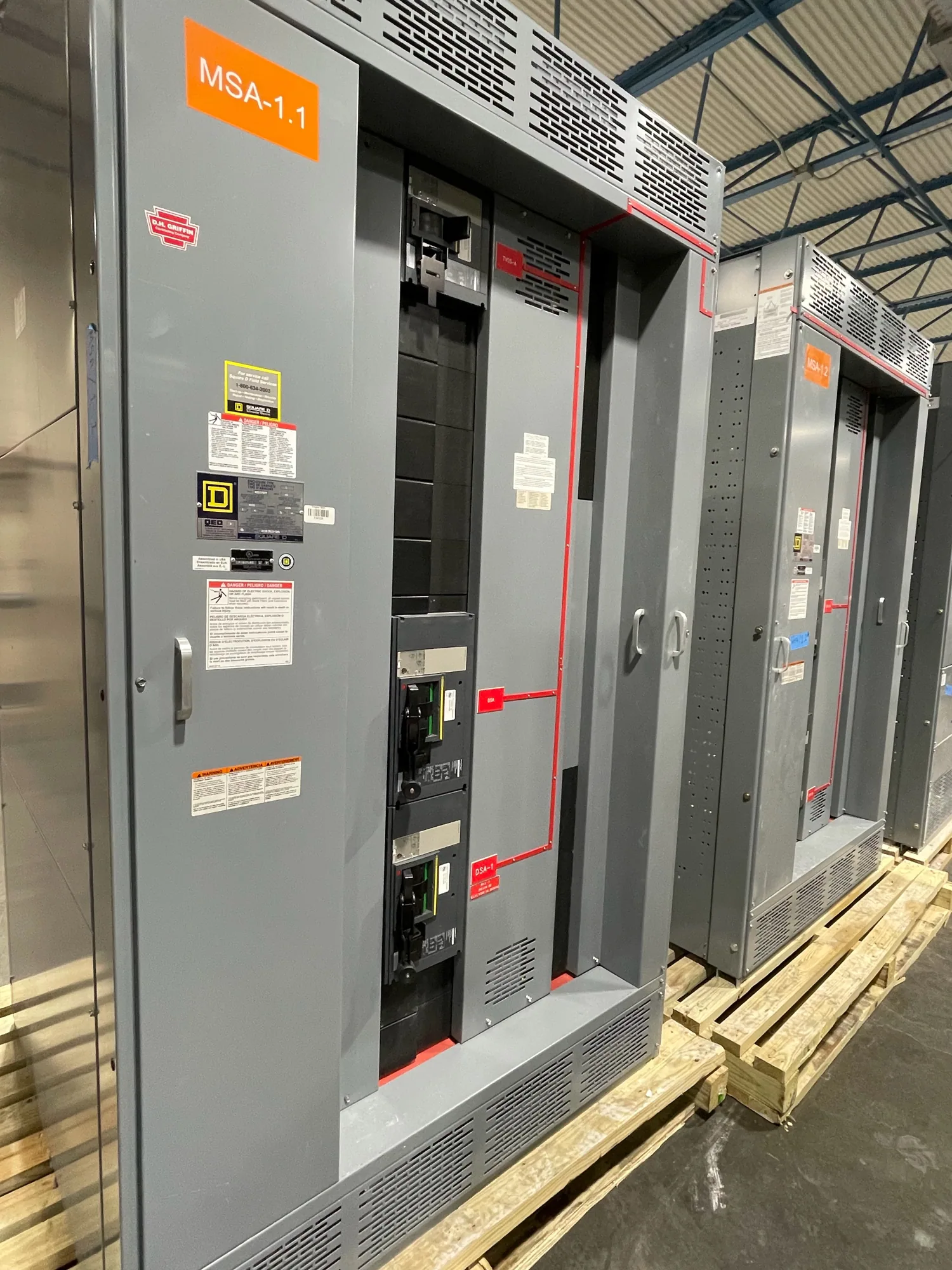
Start with the project need, not a product label
Buying new electrical switchgear begins with the electrical system the equipment must serve. Identify the project purpose, the distribution point, the connected loads, and whether the equipment is for a new installation, an expansion, or a planned replacement. Those details shape the required configuration; a broad request for “switchgear” alone may leave important distinctions unresolved.
Bring the owner, electrical engineer, and purchasing lead into the early scope discussion. The engineer establishes system requirements and evaluates the design, while the owner confirms operating priorities and project constraints. Purchasing can then compare proposals on a consistent basis. For a manufacturer quote, state the project location, requested delivery destination, decision schedule, and the person authorized to resolve technical questions.
Define the electrical requirements before requesting pricing
Document the system voltage class and the equipment’s intended role. For example, a 480 V class application is low voltage, while 5 kV and 15 kV class applications are medium voltage; identify the actual project requirement rather than assuming one class from a general equipment name. Provide available one-line diagrams, specifications, and relevant project notes, and have the responsible engineer confirm that these materials reflect the current design.
Short-circuit requirements, continuous current, configuration, incoming and outgoing connections, protection, metering, and control features can all affect the proposed assembly. Do not substitute a convenient catalog assumption for project data. Ask the engineer to specify the required ratings and functions, including any coordination or interface requirements, and ask the manufacturer to identify items that need clarification. Rating and design suitability must be reviewed against the actual system and equipment.
Choose a configuration that fits operation and space
Translate operating needs into specific questions: How many sources and feeders are required? Is source transfer part of the design? What loads need separate sections or particular protective functions? Which metering, control, or communication interfaces must connect to other project systems? Answers can influence arrangement and equipment selection, but the engineer should determine the appropriate design from the electrical study, operating plan, and governing project documents.
Physical fit is another approval gate. Provide available room dimensions, access paths, equipment orientation, cable entry preferences, and known installation constraints. Confirm working and maintenance clearances with the project team rather than relying on a cabinet dimension alone. A compact arrangement may affect access or future changes, while added compartments or features may change space and coordination needs. Have the manufacturer document the proposed configuration for review before it is released for production.
Compare quotations on a like-for-like basis
A useful request for quotation includes the current specification, one-line diagram, equipment schedule, required options, project location, and requested delivery date. Include the scope boundaries: what equipment is included, which interfaces or accessories are expected, and which items remain by others. If documents conflict, identify the controlling revision or ask the design team to resolve the conflict before quotations are compared.
Review each proposal for stated assumptions, exceptions, exclusions, and open questions—not only the total price. Check that the proposed voltage class, ratings, arrangement, and included functions align with the approved requirements. Ask what drawings and submittals will be provided, what customer review is needed, and whether testing or listing applies to the specific design. For eligible low-voltage switchboards, UL 891 applicability and assembly listing must be verified for that design; do not treat it as a blanket requirement for medium-voltage switchgear.
Coordinate approvals, manufacturing, and delivery
Before authorizing an order, establish who approves drawings, how comments are resolved, and which documents constitute the final approved design. The owner and engineer should review technical submittals; purchasing should confirm commercial scope and order details. Do not assume that a quote, preliminary drawing, or earlier specification automatically captures later revisions. Record approved changes and confirm their effect on configuration, availability, and delivery timing.
South Carolina Switchgear Builders manufactures new equipment in the United States, uses all-American components, builds to specification, and ships nationwide. Short lead times may be available, but actual availability and timing depend on the order and must be confirmed. Coordinate the requested delivery window with the manufacturer, carrier, site readiness, receiving hours, unloading capability, and contractor schedule. Confirm shipping terms and delivery responsibilities in the order documents rather than assuming a delivery date or site service.
Use a focused checklist to move the purchase forward
Before sending the request, assemble the project’s latest one-line diagram, equipment schedule, specification, required voltage class and ratings, preferred arrangement, options, site constraints, delivery destination, and schedule needs. Identify the engineer who can answer technical questions and the buyer who can approve commercial terms. Mark unresolved items clearly so they can be addressed rather than silently filled in by assumption.
Then request a written proposal that identifies the configuration, scope, exceptions, required approvals, submittals, and confirmed availability or timing. Review it against the project documents, resolve discrepancies, and obtain the responsible engineer’s acceptance before final release. Installation, testing, and maintenance should be planned with qualified personnel following applicable safety procedures. A complete, reviewed request gives the manufacturer a sound basis to develop a new-equipment proposal and gives the project team a clear next decision.