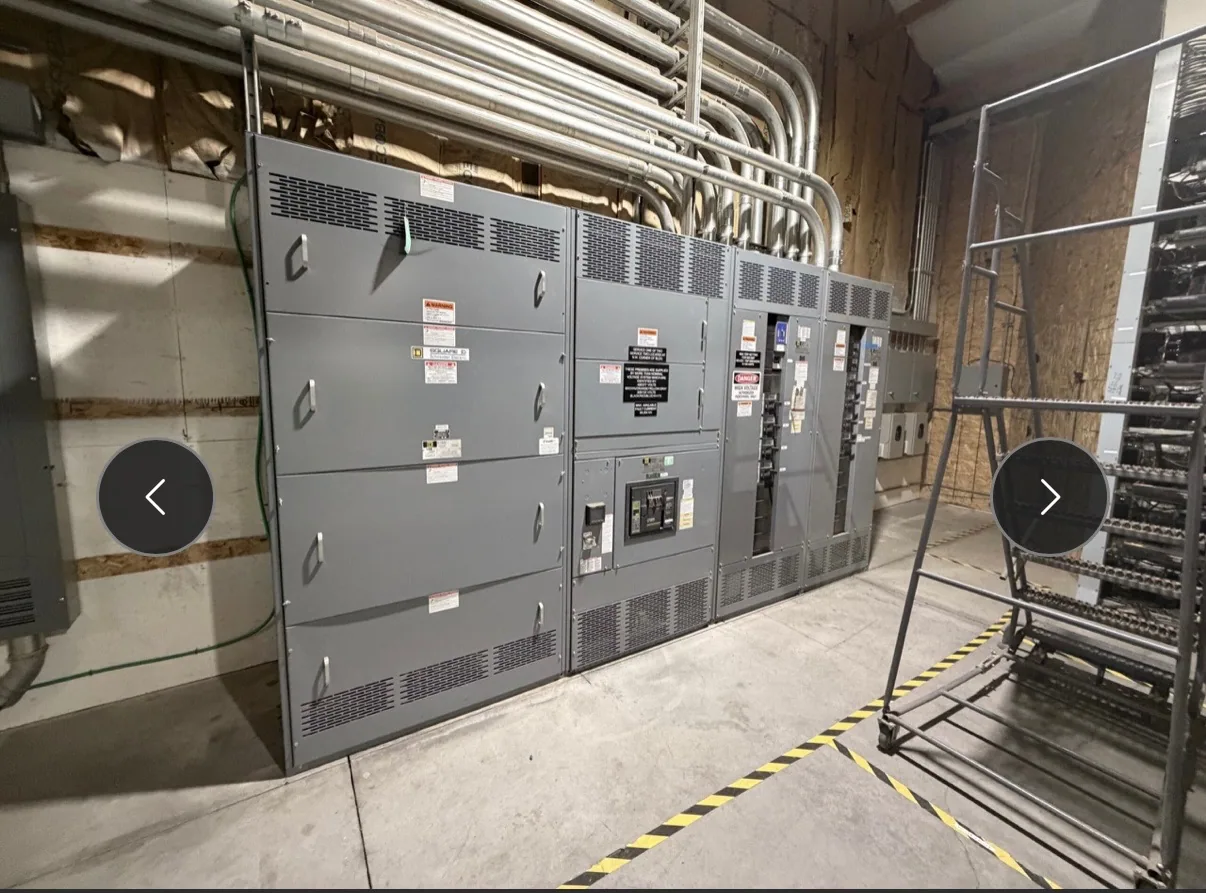
Start with the project, not the map — Switchgear Manufacturer Near Me
Searching for a “switchgear manufacturer near me” can help identify possible suppliers, but a search result alone does not confirm a factory address, manufacturing role, technical capability or service territory. First define what the project needs: new switchgear or a switchboard, the application, required electrical characteristics, equipment layout, destination and target schedule. Then determine which manufacturers can evaluate that scope and supply equipment to the project location.
Clarify whether the project calls for a 480 V class low-voltage assembly or 5 kV or 15 kV class medium-voltage switchgear. These are distinct equipment categories, not interchangeable product labels. The responsible project engineer should establish the applicable ratings, configuration and interfaces from the electrical design. A manufacturer can then assess whether its actual product scope matches the request rather than relying on a broad claim of serving a particular area.
Verify location and manufacturing scope
Ask where the company is based and, separately, where the equipment for your order would be manufactured. Confirm whether it builds the requested equipment or serves another role in the supply chain. A business address, sales coverage and manufacturing location can be different facts. Request a clear description of the work performed by the manufacturer and identify any project-specific activities or components that are outside its scope.
South Carolina Switchgear Builders manufactures new switchgear and switchboards in the United States, uses all-American components, and ships nationwide. Equipment is custom to specification. Those capabilities may suit projects in South Carolina and other states, but they do not imply a local office, a plant near every jobsite or on-site service in every market. Confirm that the proposed assembly and delivery plan fit your project rather than inferring support from the phrase “near me.”
Match technical capabilities to the specification
Share the one-line diagram, equipment schedule, project specifications and any relevant site or layout information available for review. Identify the intended application, system voltage class, required incoming and outgoing arrangements, control or metering needs, and the connections to adjacent equipment. The responsible engineer should flag constraints such as room access, cable entry, available space and coordination with existing systems; the manufacturer can clarify what information it needs to assess the requested design.
Ask how technical questions, drawing review, changes and approvals will be handled. Confirm which design details the manufacturer can supply and which decisions remain with the project engineer, contractor or other equipment vendors. For example, protection, system coordination, interfaces and installation requirements depend on the project design. Do not assume that a manufacturer’s general capability resolves an unconfirmed requirement; record decisions, exceptions and open questions in the project documents.
Compare proximity with actual service coverage
A nearby manufacturer may simplify some conversations or visits, but geographic distance does not by itself establish service availability, response times or commissioning support. Conversely, a manufacturer farther away may ship equipment to the destination and coordinate technical matters remotely. Ask which support is actually included in the offer, what is available by arrangement, and who is responsible for installation, site work, testing and maintenance.
For South Carolina Switchgear Builders, nationwide shipping is available, while order availability and actual lead times depend on the equipment and must be confirmed. Delivery dates, freight arrangements, unloading responsibilities and shipment sequencing should be discussed for the specific project. Do not treat a general lead-time statement or a map distance as a delivery commitment. Qualified personnel must perform installation, testing and maintenance under applicable safety procedures.
Confirm listing, ratings and assembly details
Review the offered equipment against the project specification, including ratings, construction, accessories and any required documentation. Ask the manufacturer to identify what is included and to flag deviations for review before purchase. If a low-voltage switchboard is specified, ask whether UL 891 applies to the specific design and whether the proposed assembly listing can be verified. UL 891 concerns eligible low-voltage switchboards; it should not be assumed to apply to medium-voltage switchgear or every assembly.
Likewise, do not infer a rating, listing, test, certification or standards compliance from product descriptions alone. Those matters depend on the actual design and supplied equipment. Request the relevant confirmation for the proposed configuration, and have the project’s responsible parties resolve any discrepancy between the manufacturer’s offer and the governing project documents before approving the order.
Prepare a useful manufacturer inquiry
Before requesting a proposal, provide the project destination, equipment type and voltage class, required quantity, specification documents, one-line diagram, desired delivery window and the best project contact. Explain whether the request is budgetary or intended for a firm purchase decision. Include the reviewing engineer’s contact or process, important approval milestones, and any known site or shipping constraints. A complete inquiry helps the manufacturer identify missing inputs instead of silently making assumptions.
Ask for written confirmation of manufacturing scope, proposed configuration, exclusions, drawing-review steps, order-dependent availability and estimated delivery timing. Clarify freight terms and who coordinates receipt at the site. Compare offers on technical fit and responsibilities as well as distance. Once the open items are resolved, use the confirmed specification and schedule as the basis for the purchase. A careful review turns “near me” into a practical supplier decision: one grounded in verifiable capabilities, clear communication and a delivery plan suited to the project.