Start with the project scope, not a company ranking
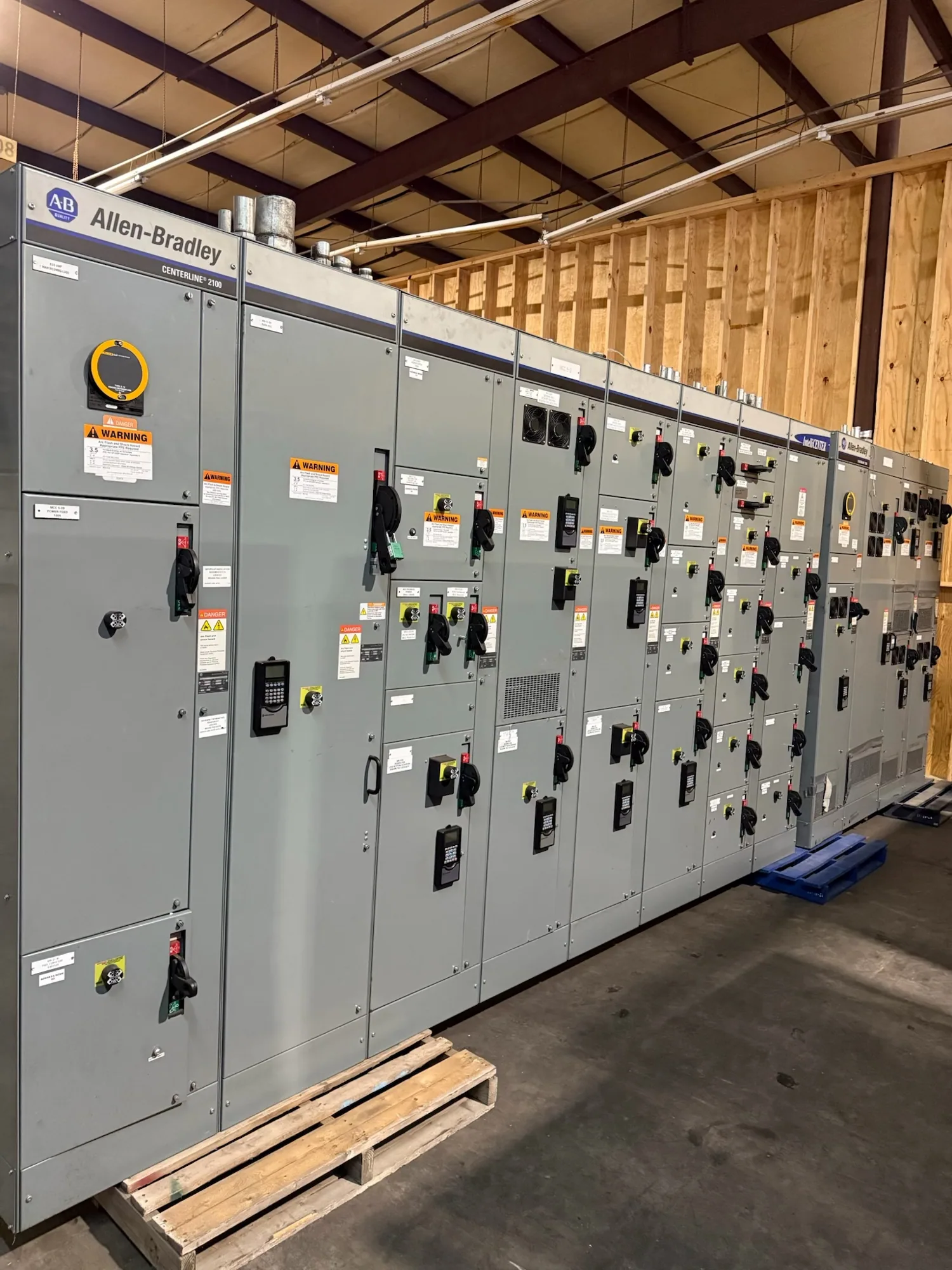
Industrial switchgear companies do not all perform the same role. A manufacturer builds equipment to a defined design and specification; an authorized distributor may coordinate a manufacturer’s products and commercial details; an electrical contractor typically handles field installation and related site work. Some businesses cover more than one role, so ask exactly which organization will engineer, build, supply, install, test and support each part of your project.
Define the need before comparing proposals. Identify whether the project calls for a low-voltage switchboard, medium-voltage switchgear, or another specified assembly, and describe whether it is a new facility, expansion, replacement, or modernization. Provide the application, project location, required delivery window, and known equipment interfaces. These basics help suppliers respond to the same scope instead of quoting technically different solutions.
Check product fit against the electrical specification
Compare each proposed assembly with the responsible engineer’s requirements, not just a product label or nominal voltage. Ask the supplier to identify the offered equipment type, voltage class, configuration, ratings and options in writing. For example, 480 V class equipment is low voltage, while 5 kV and 15 kV class equipment are medium voltage. Do not assume that a supplier’s general capabilities establish suitability for your specific system.
Review how the proposal addresses the one-line diagram, system conditions, protection and control requirements, available space, cable entry, access and environmental conditions. Where details remain undecided, record the assumption and identify who must resolve it. Verify that required metering, relaying, communications, interlocks and compartment arrangements are included or explicitly excluded. A technically useful comparison makes deviations visible, rather than burying them in general language.
Ask for evidence of capability and quality controls
Request relevant, verifiable evidence for the equipment and scope being offered. This may include capability information, representative drawings, quality-process documentation, references for comparable equipment, and a description of design review and production checks. Confirm that any references are relevant to your voltage class, configuration and application. A broad claim of industrial experience is less useful than evidence that can be connected to your project’s actual requirements.
Ask what drawings and records are included, when they will be provided, and how revisions and approvals will be managed. Clarify the proposed inspection and testing scope, the records supplied, and whether customer or third-party witnessing is included. Listing and standards applicability depend on the particular assembly and design. UL 891 may apply to eligible low-voltage switchboards; verify applicability and assembly listing for the exact proposed design. It does not apply to medium-voltage switchgear.
Compare the written scope and project interfaces
Two proposals are comparable only when their boundaries are clear. Check whether the quoted scope includes engineering, equipment, accessories, documentation, packaging, freight coordination and any specified testing. Identify exclusions, options and owner-furnished items. Confirm whether field installation, terminations, startup, commissioning and ongoing maintenance are outside the supplier’s scope or assigned to another qualified provider. Do not treat equipment supply as a promise to perform site work.
Make schedule assumptions explicit. Ask for the current estimated production and shipment timing, the information needed to hold the schedule, and how changes to approved drawings or specifications could affect it. Availability and actual lead times depend on the order and must be confirmed. Compare the proposed delivery basis and responsibilities for shipment, receiving and site readiness. Avoid treating an unconfirmed estimate as a guaranteed delivery date.
Weigh trade-offs without relying on unsupported rankings
Instead of accepting a “best company” label, use a consistent scorecard tied to project priorities. Consider technical alignment, clarity of exceptions, evidence quality, documentation, testing scope, schedule assumptions and responsibility boundaries. A lower initial price may exclude important options or coordination; a more detailed proposal may reveal costs and decisions earlier. Ask each supplier to explain meaningful differences so that price comparisons reflect equivalent equipment and scope.
Custom equipment can be useful when the project requires a particular arrangement or interface, but customization also makes complete input and timely review important. Ask which dimensions, connection details, protection choices and accessories are still open, and who approves them. South Carolina Switchgear Builders manufactures new switchgear and switchboards to specification, with US-built equipment, all-American components and nationwide shipping. Confirm the specific configuration, applicable requirements, availability and delivery timing for your order.
Prepare a useful request and confirm responsibilities
For a comparable quotation, provide the latest one-line diagram, equipment schedule, applicable specifications, site and environmental conditions, connection requirements, requested options, project milestones and named technical contacts. Include the required equipment class and any governing project documents. Mark unresolved items rather than guessing. Ask suppliers to return a clear list of exceptions, assumptions, included deliverables, testing details and information they need before design can proceed.
Before awarding the order, align the buyer, engineer, manufacturer, distributor if applicable, and installing contractor on approval steps and interfaces. Confirm who owns drawing review, field measurements, cable and conduit coordination, receiving, installation, acceptance activities and final records. Qualified personnel must handle installation, testing and maintenance under applicable safety procedures. A disciplined comparison built on documented scope and responsibilities helps you select a supplier that fits the project—not simply one that makes the broadest claims.