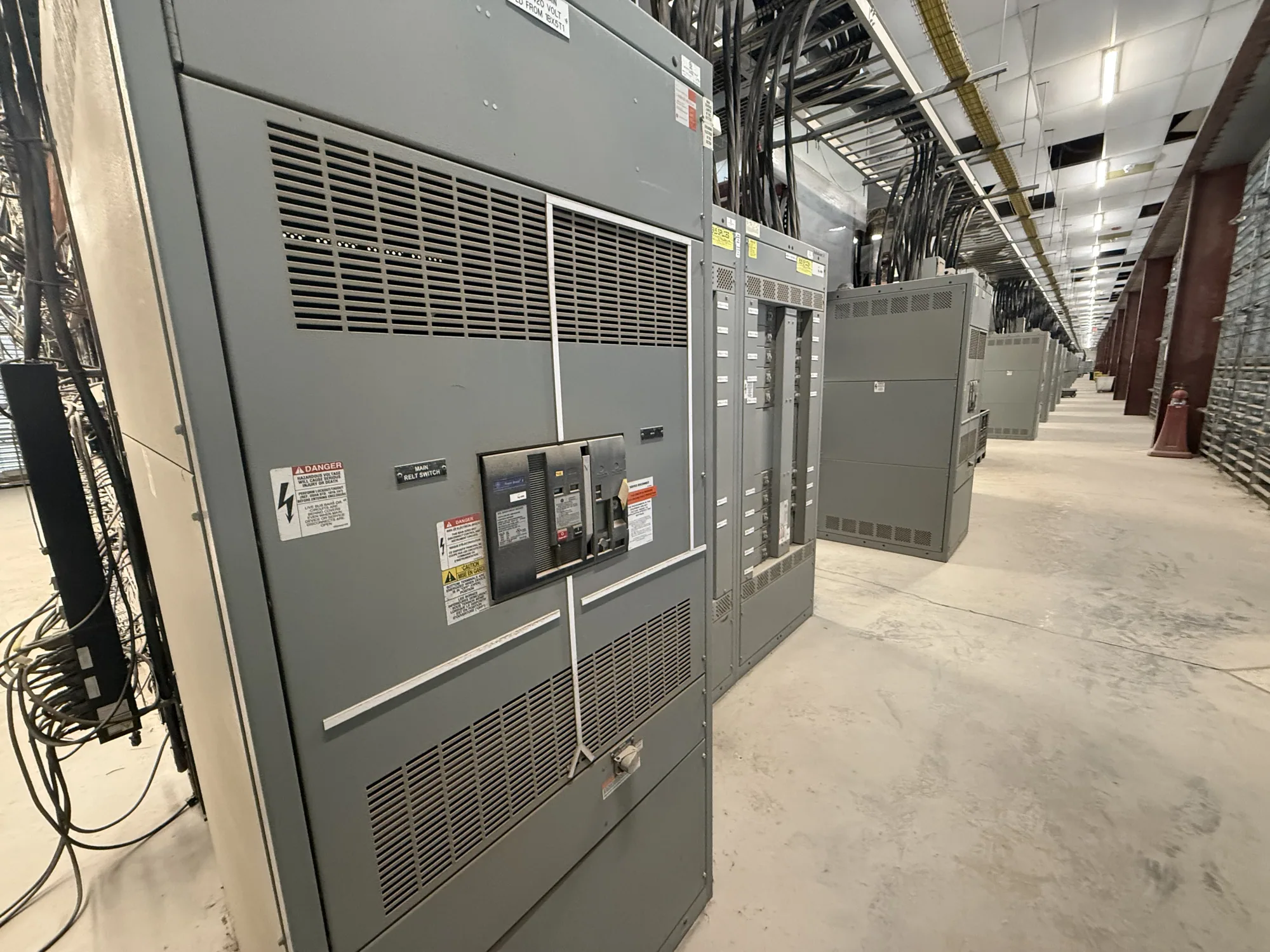
Start with the project context and scope
The best supplier for one project may not suit another. Begin by defining what the equipment must do, where it will connect, and what the purchase includes. A straightforward low-voltage switchboard replacement has different coordination needs from a medium-voltage switchgear package integrated into a larger distribution system. Evaluate suppliers against your actual requirements, not a universal ranking or a broad claim about capability.
Identify the equipment type and voltage class, system arrangement, required functions, site conditions, and relevant project milestones. Clarify whether the request covers switchgear, a switchboard, or multiple assemblies, and note any interfaces with transformers, protective devices, controls, or upstream and downstream equipment. Have the responsible electrical engineer establish design requirements and resolve matters that depend on the project specification.
Check technical fit and design coordination
Ask each supplier to show how its proposed configuration responds to your written requirements. Compare the proposed lineup, compartment arrangement, incoming and outgoing connections, metering or control provisions, and any specified future provisions. Do not assume a feature is included because it appears in a general product description; have it identified in the proposal or drawings and aligned with the project documents.
Confirm which party is responsible for engineering decisions, interface information, drawing review, and approval coordination. Establish what information the supplier needs from the project team, and when it is needed. Discuss how proposed equipment dimensions, cable entry, termination space, access, and connection details will be checked against the installation. These points can expose a scope mismatch before it becomes a field coordination problem.
Review quality evidence and applicable standards
Request documentation that is relevant to the exact equipment being proposed. Depending on the project, this may include product data, outline and connection drawings, component information, operating instructions, and specified testing or inspection records. Ask which documents are included, when they will be provided, and whether review cycles or special documentation have an effect on the proposal.
Verify listing, testing, ratings, and standards against the actual design and the project specification; do not treat general statements as proof for a particular assembly. UL 891 may apply to eligible low-voltage switchboards, but applicability and assembly listing must be confirmed for the specific design. It does not establish a listing for medium-voltage switchgear. Ask the responsible engineer to resolve any requirements that are unclear or dependent on system conditions.
Compare scope, exclusions, and total cost
A meaningful price comparison starts with equivalent scope. Review the equipment description, included components, engineering and drawings, documentation, stated testing, packaging, shipping, and any requested accessories. Record exclusions, assumptions, options, and items assigned to others. A lower proposal may reflect a different configuration or omit work the project still needs, so compare the complete defined package rather than the headline amount alone.
Ask how changes to requirements would be handled, including revisions after drawing review or changes to interfaces. Confirm who supplies site-specific information and who coordinates installation, field connections, commissioning, and maintenance. These activities should not be presumed to be part of an equipment order. Installation, testing, and maintenance must be handled by qualified personnel following applicable safety procedures.
Evaluate schedule and communication with evidence
Request an order-specific schedule that identifies the assumptions behind major milestones, such as approved submittals, release to production, and shipment. Availability and lead times depend on the configuration and order, so obtain confirmation for the actual scope; avoid relying on a general estimate or an unqualified promise. Clarify what could affect the schedule and how the supplier will communicate changes.
Assess communication by looking for clear answers, named responsibilities in the proposal, and a practical process for questions and document review. Ask who will receive technical clarifications and how open items will be tracked. South Carolina Switchgear Builders manufactures new equipment in the United States, uses all-American components, offers custom-to-specification equipment, and ships nationwide. Confirm availability, lead time, configuration, and delivery details against your order.
Use a project-specific scorecard
Before comparing offers, set evaluation categories that reflect project priorities. A useful scorecard can cover technical compliance, interface coordination, documentation, scope completeness, schedule evidence, communication, and total scoped cost. Assign weights with the project team before reviewing proposals; a critical technical requirement should not be outweighed by a favorable score in a less important category.
- Mark each requirement as demonstrated, unclear, excluded, or not applicable.
- Record the proposal page or document that supports each judgment.
- List unresolved technical questions, assumptions, and requested revisions.
- Compare schedule commitments only after confirming they refer to equivalent scope.
Prepare a clear request before selecting
Send suppliers the one-line diagram or relevant system information, equipment schedule, specification, interface details, site constraints, requested options, documentation needs, and target milestones. Identify items that remain subject to engineering review rather than presenting assumptions as settled requirements. A complete request makes proposals easier to compare and helps each supplier identify gaps before pricing and schedule discussions move forward.
Choose the supplier whose documented proposal best fits the project and whose open items can be resolved within the project’s decision process. For a new equipment quotation, provide the applicable drawings and requirements, then ask for written confirmation of configuration, exclusions, documentation, availability, and delivery expectations. Keep the final selection tied to the approved project scope and the responsible engineer’s review.