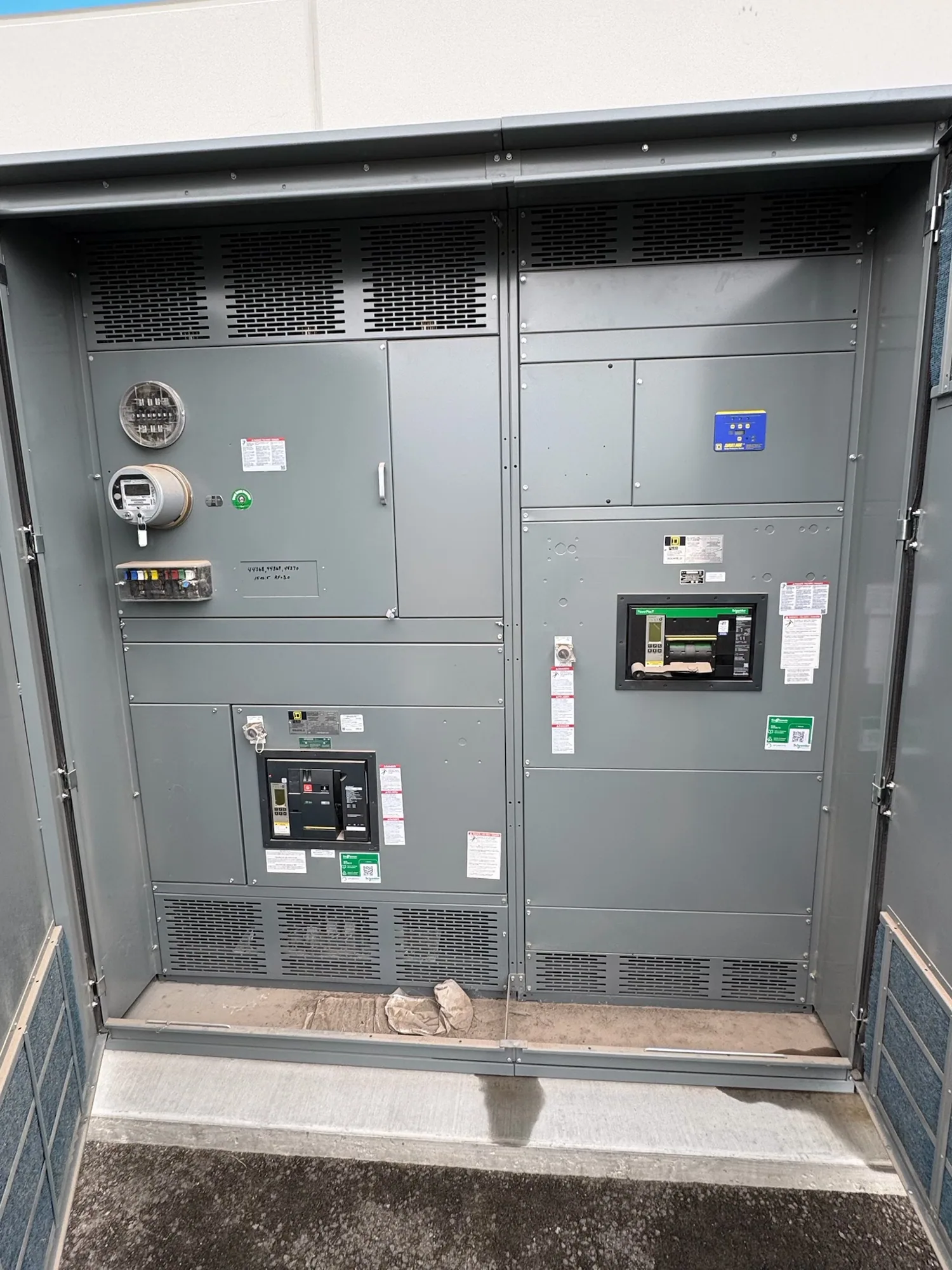
Start with project context and scope
A new electrical switchgear quote is only meaningful when it is tied to a defined project scope. Share whether the equipment is for a new installation, a planned replacement, an expansion, or another application, along with the project stage and the date a proposal is needed. These details help distinguish a preliminary budget estimate from a proposal developed against current drawings and requirements.
Describe what the manufacturer is being asked to supply: the switchgear or switchboard assembly, specified devices, accessories, documentation, and any agreed testing or coordination. Identify equipment and work that belong to others, such as upstream or downstream systems, field wiring, installation, commissioning, or site modifications. A quote should state its boundary rather than leave the buyer to infer what is included.
Provide the electrical basis for the design
Send the latest one-line diagram and equipment schedules, if available, and identify which documents govern if they conflict. Include the system voltage class, required ratings and configurations, incoming and outgoing feeder arrangement, and the specified protective or switching devices. Do not rely on a general label such as “switchgear package” to communicate a design. The responsible project engineer should confirm the applicable requirements for the installation.
For a 480 V class project, clarify the requested low-voltage equipment and the project-specific ratings, construction, and device selections. For 5 kV or 15 kV class equipment, identify the medium-voltage requirements and interfaces. These are different equipment classes; the proposal should not blur switchboards and switchgear or apply a low-voltage switchboard standard to medium-voltage gear. Any required listing, rating, or standard applicability must be checked against the actual assembly and specification.
Define devices, interfaces, and documentation
List required breakers, switches, metering, relaying, control power, communications, and other devices by function and, where the specification requires it, by manufacturer or model. State whether devices are furnished, installed in the assembly, or supplied separately. Identify cable entry direction, termination expectations, bus or compartment requirements, and physical interfaces that affect the design. Clarify dimensions and access constraints when they are known, while avoiding assumptions based on an unverified footprint.
Tell the quoting team which submittals and records are required, such as drawings, device data, wiring information, or test documentation. State the required review and acceptance process and whether any inspection or factory testing is specified. Testing scope, records, and acceptance criteria need explicit agreement; they should not be assumed from a product description. For eligible low-voltage switchboards, confirm whether UL 891 and an assembly listing apply to the specific design. Applicability must be verified, not presumed.
Read assumptions and exclusions as carefully as scope
A quote may rely on assumptions where project information is incomplete. Review each one: an assumed device, rating, arrangement, cable entrance, document revision, or acceptance requirement can affect whether the offered equipment fits. Ask the manufacturer to identify what information remains open and how resolving it could change the scope. A clear list of exclusions is equally important because omitted installation, field services, cables, or site work may require separate coordination and procurement.
An early budget estimate is useful for planning, but it is not necessarily a firm scope or a commitment to a final design, availability, or delivery date. A specification-based proposal can be evaluated more closely when the drawings, schedules, and written requirements are sufficiently developed. Compare proposals on the same revision and requested scope, and ask that deviations and qualifications be stated directly. If requirements change, document the revision and request confirmation of resulting technical and commercial effects.
Compare schedule, testing, freight, and change control
Check whether the proposal identifies the assumptions behind its schedule and which events affect it, including drawing review, approval, release of required information, and changes. Short lead times may be available, but actual availability and lead time depend on the order and must be confirmed. Treat an unconfirmed schedule as an item to resolve, not a delivery guarantee. Request a stated delivery basis and clarify what milestone or date the proposal represents.
Review freight terms and the destination used for the quote. Confirm whether shipping, unloading, receiving coordination, and any special delivery requirements are included or excluded. Nationwide shipping is available, but the route, order scope, and confirmed delivery arrangements matter to the specific project. Establish how revisions, substitutions, and changes after approval will be reviewed and quoted. This makes it easier to manage decisions without treating an earlier price or schedule as unchanged after scope shifts.
Prepare a complete request and evaluate the response
Before requesting a quote, assemble the one-line diagram, equipment schedules, applicable specification, document revision, voltage class, requested ratings, device list, delivery destination, and required submittals or acceptance criteria. Note known site constraints and clearly mark unresolved items. Identify the requested quantity and proposal timing. If a requirement is uncertain, flag it for clarification instead of converting an assumption into an undocumented instruction.
When proposals arrive, compare each against the same checklist: equipment included, ratings and configuration, supplied devices, stated deviations, exclusions, testing and records, schedule basis, freight, and open questions. Ask for corrections or clarifications in writing before selecting a proposal. South Carolina Switchgear Builders manufactures new equipment in the United States, uses all-American components, and ships nationwide; custom configurations are developed to specification. Availability, lead time, and design details should be confirmed for the particular order so the quote can support a well-defined purchasing decision.