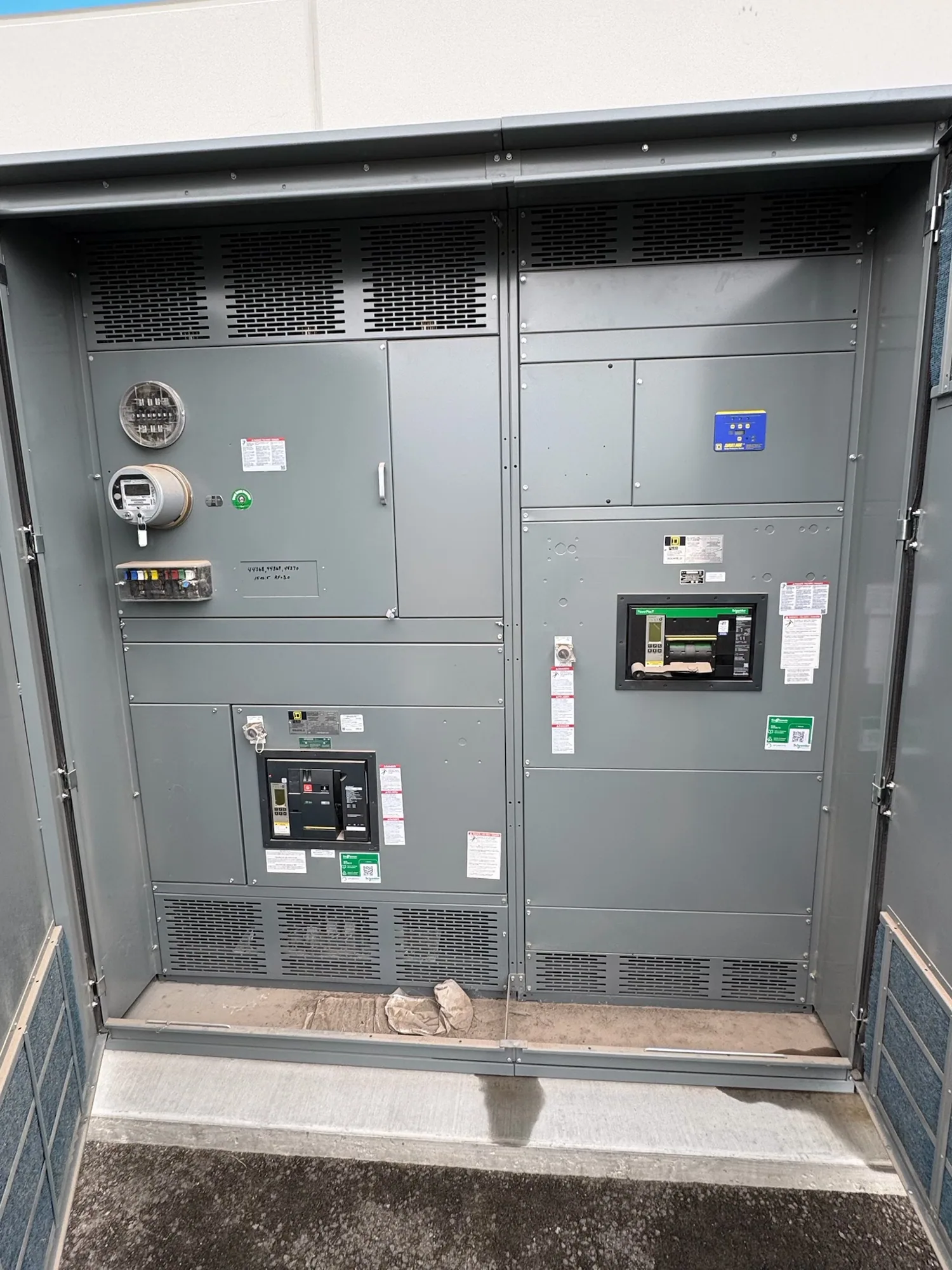
Start with the equipment scope, not a price guess
New switchgear pricing depends on the actual equipment and project requirements, so a broad figure without a defined scope can mislead. Begin by identifying what the purchase must include: the distribution equipment, its sections and protective devices, required control features, documentation, specified tests, and delivery arrangements. Separate equipment cost from installation, site work, and other contractor responsibilities.
Confirm the intended application with the project engineer or electrical designer. Provide the system voltage class, available system information, load and feeder needs, and the equipment function. A 480 V class assembly is low voltage; 5 kV and 15 kV class equipment are medium voltage. Do not assume one class or configuration can substitute for another based on price alone.
Identify the major design cost drivers
Ratings and configuration shape the design. The engineer should establish required continuous current, short-circuit withstand or interrupting requirements as applicable, and the protection scheme. Section count, bus arrangement, incoming and outgoing devices, metering, control wiring, and specified accessories also affect the scope. The responsible engineer must confirm that proposed equipment matches system conditions and project documents.
Enclosure and installation conditions matter as well. Clarify indoor or outdoor use, the available space, cable entry and exit, access for operation and maintenance, and any environmental or construction requirements. A custom arrangement may be necessary, but customization can change engineering, materials, and manufacturing scope. Provide drawings or dimensions where available, and identify constraints that are mandatory rather than preferences.
Testing, inspection, and documentation should be described explicitly. State what the project specification requires and ask the manufacturer to identify what is included in the proposal. Listing applicability, tests, ratings, and standards depend on the specific design and supplied assembly. UL 891 applies to eligible low-voltage switchboards; verify whether it applies to the proposed assembly. It is not a blanket designation for medium-voltage switchgear.
Build a defensible budget range
Use a staged estimate rather than treating an early allowance as a firm quote. First, define the equipment boundary and collect the current one-line diagram, equipment schedules, specifications, and site constraints. Next, list known requirements and unresolved items. Ask the manufacturer to price the stated configuration and identify assumptions, exclusions, and options separately. This creates a useful basis for comparing proposals and revising the budget.
For an early planning range, distinguish confirmed requirements from provisional choices. You might request alternate configurations only when they meet the engineer’s functional and rating criteria. Record the budget effect of each alternative without assuming that a lower initial equipment price will reduce total project cost. Changes to protection, enclosure, testing, or interfaces can affect coordination, installation, and schedule, so evaluate them with the project team.
Prepare information for a meaningful quote
A complete request should identify the project and purchasing contact, equipment type and voltage class, required ratings, quantities, and requested configuration. Include the latest one-line diagram, specifications, schedules, relevant drawings, and applicable addenda. Flag the required delivery destination and any project milestones, while asking the manufacturer to confirm availability and actual lead time for the defined order.
List open questions instead of leaving gaps for assumptions. Ask which devices, controls, accessories, tests, documents, and shipping arrangements are included. Request clear treatment of options and exclusions, and have deviations from the specification called out for engineering review. A manufacturer can build new equipment to specification, but design-dependent details must be confirmed against the final documents and supplied assembly.
Coordinate responsibilities and compare proposals
The owner or buyer establishes the project need, purchasing terms, destination, and required dates. The engineer defines and approves system requirements, ratings, and protection coordination. The manufacturer develops and prices the equipment scope, identifies assumptions, and confirms order-specific availability and delivery information. The electrical contractor or installer plans site interfaces and installation; qualified personnel handle installation, testing, and maintenance under applicable safety procedures.
When reviewing quotes, compare the same scope line by line. Check configuration, ratings, included devices, enclosure, documentation, testing, exclusions, and delivery basis. Resolve technical deviations before comparing totals. A proposal with a different boundary is not an equivalent price. Ask for clarification where the quote relies on an allowance or leaves a requirement unaddressed, and track approved changes so the budget reflects the current design.
Turn the budget into a purchase-ready scope
Before requesting final pricing, assemble the latest approved documents, identify decision-makers, and mark unresolved engineering questions. Confirm quantities, destination, schedule expectations, required submittals, and the process for reviewing drawings. Ask the manufacturer to confirm the final configuration, order-specific availability, and delivery estimate in its proposal; actual lead times depend on the order and must be verified.
South Carolina Switchgear Builders manufactures new switchgear and switchboards in the United States, using all-American components, with custom-to-specification options and nationwide shipping. Availability and lead times are order-dependent. A well-defined request helps the project team establish a realistic budget, compare compatible proposals, and move toward procurement without mistaking an early estimate for a confirmed price or delivery commitment.