Different quotes may measure different milestones
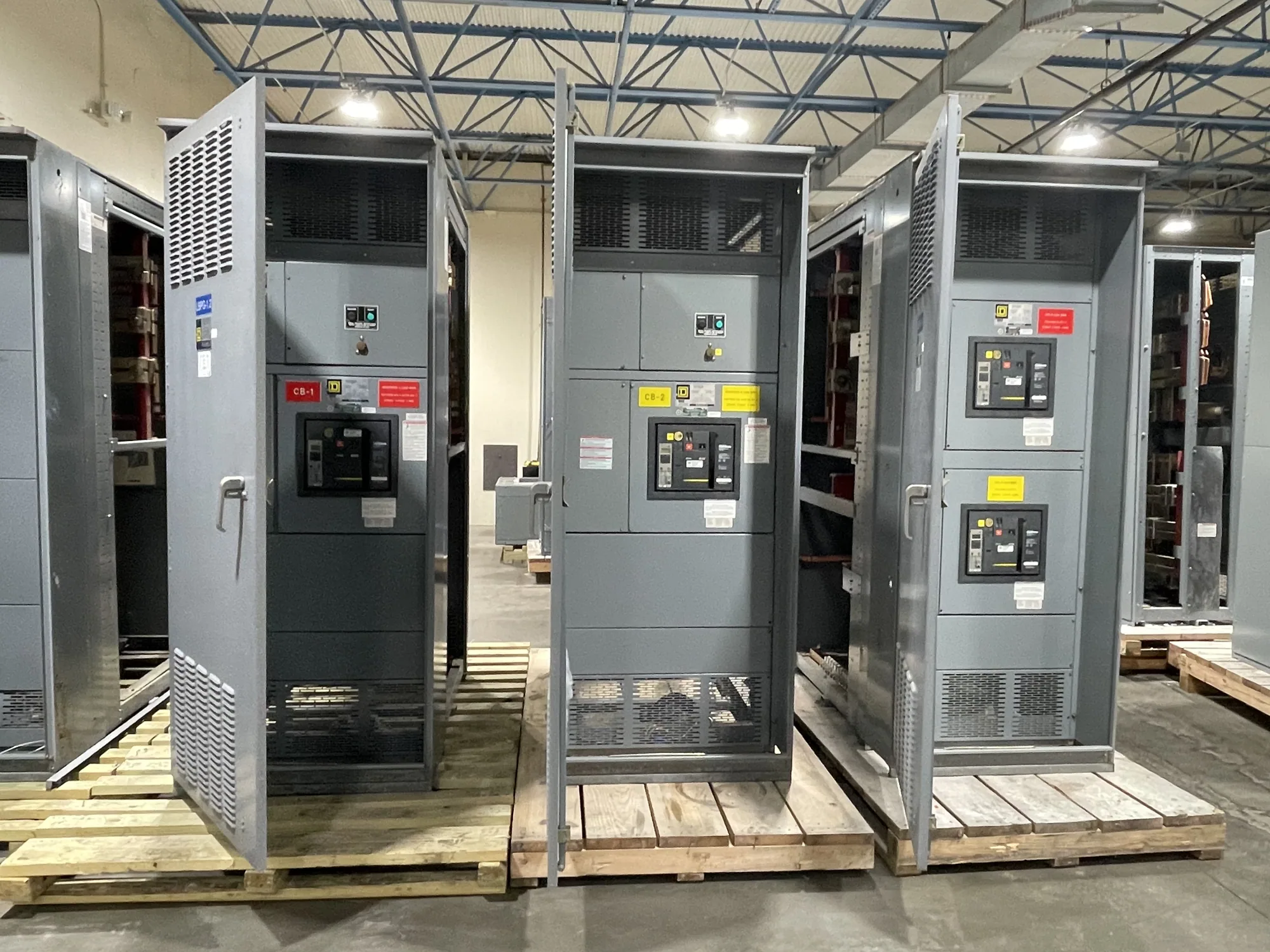
Switchgear quotes can show different lead times because suppliers may be describing different schedules, not necessarily making contradictory promises. One estimate might run from order acceptance to shipment; another might include drawing preparation, customer approval, production, testing, and delivery to the project site. Ask what event starts the clock and what event ends it before comparing the number of weeks or months.
Even with the same requested delivery date, a quoted estimate is not a guarantee. Availability, configuration, approvals, manufacturing sequence, testing requirements, and transportation can change the schedule. The manufacturer should confirm current availability and an order-specific delivery plan against the actual scope. Treat an early estimate as a planning input, then seek confirmation as specifications and project dates become firm.
Scope and design maturity affect the schedule
Two proposals may not cover identical equipment. Differences in voltage class, lineup arrangement, incoming and feeder sections, protective devices, metering, control features, enclosure details, or accessories can affect engineering and procurement. A straightforward configuration and a highly specified custom assembly may require different design work. A buyer should compare each proposal line by line rather than assume that similar product names mean equal scope.
Incomplete project information can also create uncertainty. If the one-line diagram, load or fault information, site conditions, interface requirements, or requested options are still changing, a supplier may need to qualify its estimate. The responsible project engineer should define the electrical and physical requirements; the manufacturer can then identify open decisions and confirm whether they affect design, sourcing, or the schedule.
Approvals and revisions add schedule dependencies
Some schedules include preparation and review of drawings; others begin production only after required approvals. The time needed for review depends on the project’s process, how quickly comments are returned, and whether revisions are needed. Multiple review rounds or late changes to approved details can move subsequent work. Ask whether the quoted schedule assumes a particular approval turnaround and how changes after approval are handled.
Clarify who reviews drawings and which documents are required before release. The buyer may need coordination among the electrical engineer, contractor, facility team, and other equipment suppliers. Confirm the planned submission, comment, revision, and release milestones, but do not treat estimated review durations as fixed unless the parties have agreed to them. Clear ownership and prompt decisions help reduce avoidable uncertainty.
Testing, documentation, and shipment are not interchangeable
Quotes can differ in what happens before equipment leaves the manufacturer. One scope may include specified inspections or testing, while another may describe a different set of activities. Ask what testing is included, what documentation will be provided, and whether any project-specific witness or inspection requirements are included or separately scheduled. These details must be confirmed for the actual equipment and specification, not inferred from a general product description.
“Ready to ship” and “delivered to site” are different milestones. Packaging, carrier arrangements, site access, unloading resources, receiving hours, and delivery coordination can all affect when equipment reaches its intended location. Confirm the quoted shipping basis, destination assumptions, who arranges transportation, and whether the schedule includes transit. A shipping estimate should not be mistaken for a guaranteed arrival date.
Compare assumptions, not just the shortest estimate
For example, suppose one quote is shorter but starts after approved drawings and ends at shipment, while another includes drawing development and estimates delivery to the site. The first figure may look more attractive even though it excludes earlier and later steps. Neither schedule is directly comparable until both suppliers identify the same start point, endpoint, scope, approval assumptions, and transportation basis.
Also ask whether the schedule depends on confirmation of components, final technical data, or other project decisions. Do not assume a quoted interval means equipment is already available or reserved. Availability and actual lead times depend on the order and must be confirmed. A revised specification, added feature, or changed delivery destination may require a schedule review, so document assumptions alongside the quote.
Questions to ask before setting a project date
- What exact milestone starts and ends the stated lead time?
- Does the schedule include engineering drawings, review, revisions, production, testing, and transit?
- Which configuration and options does the estimate cover, and what information remains open?
- What approvals or customer decisions are needed before production can proceed?
- What delivery location, shipping arrangement, and receiving conditions are assumed?
- When can the manufacturer confirm an order-specific schedule, and how are changes communicated?
Share the project specification, one-line diagram, required equipment scope, requested delivery location, target dates, and approval contacts when requesting or revising a quote. Ask the manufacturer to identify exclusions and dependencies in writing. Then coordinate the proposed milestones with the project engineer and construction team, who can assess how equipment delivery fits installation sequencing and site readiness.
Plan from a confirmed, comparable schedule
A useful comparison aligns scope, schedule milestones, approval responsibilities, testing expectations, and shipping assumptions—not simply the earliest date on a proposal. Ask for clarification wherever a term such as “lead time” is undefined, and have the responsible engineer verify technical requirements. Once the order configuration and project inputs are settled, request confirmation of the schedule and keep delivery planning aligned with any subsequent changes.