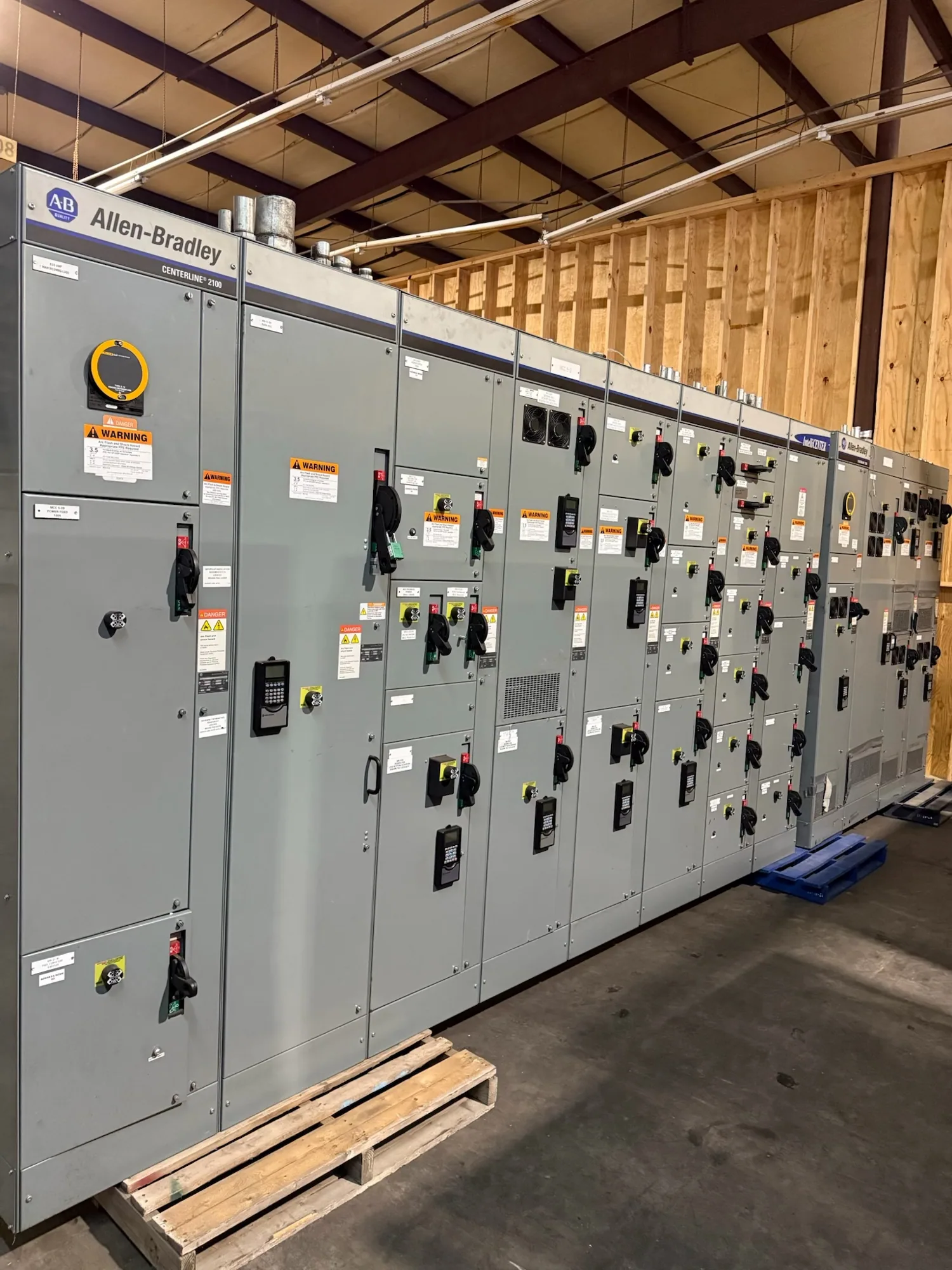
Scope: study, equipment, and safe work practices
Arc-flash safety is not a product feature that can be evaluated in isolation. It involves an electrical system study, decisions about equipment configuration and protection, and work practices established by the employer. A switchgear specification can provide important design inputs and options, but it cannot by itself determine incident energy or make a task safe.
Incident energy estimates the thermal energy exposure at a defined working distance under modeled fault conditions and clearing times. Results depend on the system, the study assumptions, and the equipment configuration. A qualified electrical engineer should determine the appropriate analysis method, study boundaries, labels, and recommendations for the particular installation. Qualified personnel must perform installation, testing, operation, and maintenance under applicable safety procedures.
Build a reliable study from project data
Useful analysis begins with accurate, coordinated system information. Provide available utility or source data, transformer details, conductor lengths and sizes, grounding information, protective-device types and settings, and a current one-line diagram when available. Include existing equipment data and identify planned changes. Missing or estimated inputs should be clearly marked for the engineer to resolve rather than silently treated as confirmed facts.
The study should evaluate relevant operating configurations, such as alternate sources or tie-breaker positions, when they are part of the project. Protection settings and clearing times can affect modeled incident energy, so the engineer needs the devices, proposed settings, and coordination objectives. Ask who will obtain final utility information, confirm field conditions, review settings, and update the analysis if the installed system differs from the design assumptions.
Specify equipment options without assuming risk disappears
Design choices may affect access, isolation, maintenance, and the inputs used in an arc-flash analysis. Depending on the project, the responsible engineer may consider protective-device arrangements, maintenance settings, remote operation provisions, compartmentalization, or other design features. Their suitability depends on the system and intended tasks; no option should be treated as a substitute for a study, training, boundaries, or required protective procedures.
For a 480 V class low-voltage switchgear application, ask the engineer to evaluate the actual source, protective devices, bus arrangement, and expected operating modes. For 5 kV or 15 kV class medium-voltage switchgear, provide the corresponding system and equipment details and have the study address those conditions. These examples do not establish a universal voltage boundary, incident-energy result, or preferred design. Confirm all ratings and features against the project specification.
Resolve engineering trade-offs early
Protection changes can influence both fault clearing and coordination with downstream equipment. A setting that reduces clearing time in one modeled condition may affect selectivity or continuity of service elsewhere. The engineer should examine the system-wide consequences and document the assumptions behind recommended settings. Do not treat a lower modeled value as approval to perform work without the required assessment and work controls.
Also coordinate maintainability and operating goals. Remote operation or maintenance features may change how tasks are performed, but their value depends on the task, controls, installation, and procedures. Ask what equipment must be accessible, whether routine inspection or testing is anticipated, and which operation modes need evaluation. Record unresolved decisions so the final study and delivered equipment reflect the same project scope.
Coordinate the equipment specification and submittal
When requesting new equipment, identify the application, voltage class, system arrangement, required ratings, enclosure and installation conditions, and applicable project documents. Share the one-line diagram, available protective-device information, study requirements, and any owner or engineer preferences. South Carolina Switchgear Builders manufactures new switchgear and switchboards to specification; configuration, availability, actual lead time, delivery dates, ratings, and any listing or testing must be confirmed for the specific order.
Request submittal information that supports engineering review, including equipment arrangement, device and setting details where specified, and the documentation needed to coordinate the final study. For eligible low-voltage switchboards, ask the responsible parties to verify whether UL 891 applies and whether the specific assembly is listed accordingly. That standard does not apply to medium-voltage switchgear. Confirm any other requested standards or tests against the actual design and project requirements.
Use a practical review checklist
Before finalizing procurement documents, confirm who owns the arc-flash study, which system configurations it will assess, what source and device data remain outstanding, and how proposed settings will be reviewed. Identify labeling and documentation deliverables, the point at which field verification occurs, and the process for updating the study after installation or system changes. Research applicable codes and requirements with the project engineer and authority having jurisdiction.
- Provide current one-line diagrams and identify assumptions or gaps.
- Define equipment scope, operating modes, ratings, and design options for engineering review.
- Coordinate protective-device settings, study deliverables, and work-practice responsibilities.
- Request submittals and confirm project-specific testing, listing, and delivery details.
Clear ownership and consistent project data help keep the study, equipment specification, and operating procedures aligned. Resolve technical questions with the responsible engineer before release, then review final documents against the equipment and installation actually provided. This process supports informed purchasing and safer planning without promising that any single design eliminates arc-flash hazards.