What buyers should know
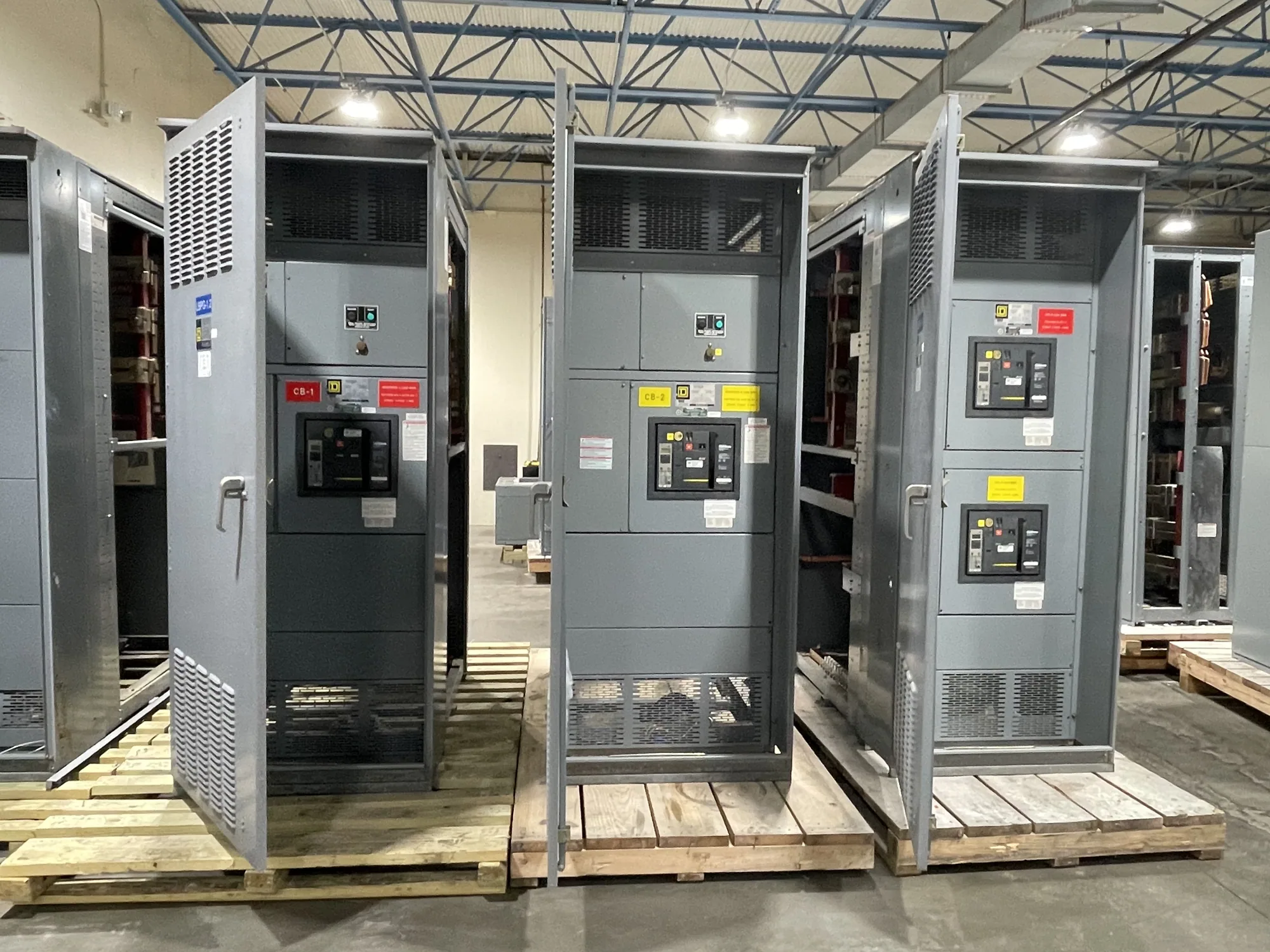
South Carolina Switchgear Builders is an American manufacturer of new switchgear and switchboards, serving projects in South Carolina and shipping nationwide. For buyers, the essential first step is to define the electrical application and equipment scope rather than assume that a product name alone describes a complete fit. Voltage class, system arrangement, available space, operating needs, and project requirements all affect the specification.
Equipment is custom to specification, and the final configuration must be confirmed for each order. Buyers should distinguish low-voltage switchboards from medium-voltage switchgear in their inquiry, then provide the intended use and the electrical requirements established by the project engineer. This allows the manufacturer and project team to discuss a defined scope without treating an early conversation as approval of a design.
Equipment scope and design decisions
Start with the one-line diagram and the project documents that establish the equipment’s role. Include the system voltage and phase, source and load arrangement, service conditions, fault-current information, and any required metering, protection, control, or communications functions. The responsible engineer should identify which values and functions are fixed and which remain subject to coordination.
Physical and operational conditions matter as well. Provide available room dimensions, access and working-space constraints, cable entry preferences, connection details, environmental conditions, and intended installation location. If the equipment must interface with existing systems or other project packages, describe those interfaces and identify who will confirm compatibility. Changes to enclosure layout, incoming connections, or control scope can affect both design review and schedule.
Low-voltage switchboards and medium-voltage switchgear
Keep product categories and applicable requirements clear in the request. A 480 V class assembly is low voltage; 5 kV and 15 kV class equipment are medium voltage. These designations do not, by themselves, establish every rating, feature, or applicable standard. The project specification and responsible engineer should define the required equipment class and confirm that the proposed assembly addresses the actual system conditions.
For eligible low-voltage switchboards, UL 891 may be relevant, but applicability and assembly listing must be verified for the specific design. Do not assume that every switchboard configuration is listed, or apply UL 891 to medium-voltage switchgear. Ask which project-specific ratings, standards, and listing requirements apply, and request confirmation against the proposed equipment documentation before procurement decisions are finalized.
Engineering coordination and responsibilities
A productive manufacturer discussion depends on clear responsibility boundaries. The buyer and project engineer establish system requirements, design intent, site conditions, and applicable codes or specifications. The manufacturer develops or confirms the equipment configuration against the information provided. The electrical contractor and other project professionals coordinate installation, connections, field conditions, and commissioning within their assigned scope.
Identify review points early: drawing submission and approval, interface coordination, required submittals, and the process for resolving changes. Confirm who supplies control devices, protection settings, conductors, and integration details where these are part of the project. Qualified personnel must handle installation, testing, and maintenance under applicable safety procedures; procurement discussions should not substitute for field engineering or safe work planning.
Quality records and project documentation
Ask what documentation is available for the specific proposed assembly and what is required by the contract. Depending on the project specification, the review may include equipment drawings, bills of material, wiring information, rating details, and applicable test or listing documentation. The availability and content of records should be confirmed for the actual design rather than assumed from a general company description.
Quality expectations are clearest when expressed as reviewable requirements. Provide the applicable specification sections, submittal format, inspection needs, and any documentation milestones. If the project requires particular tests or certifications, identify them in the inquiry and ask whether they apply to the proposed configuration. Confirm acceptance criteria with the responsible parties before release, since requirements and available documentation can vary by assembly.
Information to include in an inquiry
A useful request includes the one-line diagram, equipment schedule, technical specification, target voltage class, system ratings, layout constraints, and project location. Note the desired delivery window, procurement milestones, required submittal dates, and any known interface dependencies. If documents are preliminary, label them clearly and list open engineering questions so assumptions do not become unintended requirements.
- Identify the equipment function, system voltage, and required arrangement.
- Provide electrical ratings and protection, metering, control, and communication requirements.
- Describe installation space, cable access, site conditions, and adjacent equipment interfaces.
- List required drawings, documentation, standards, and project review dates.
From specification to project coordination
South Carolina Switchgear Builders offers US-built equipment with all-American components, custom to specification, and ships nationwide. Short lead times are offered, but availability and actual lead times depend on the order and must be confirmed. Delivery dates, configuration, ratings, listing, testing, and standards are likewise project-specific; buyers should obtain confirmation against the final specification and supplied equipment.
To begin, share the project documents and identify the decisions that are still open. The manufacturer can then review the requested scope and clarify information needed to develop a project-specific proposal. Before proceeding, align the buyer, engineer, contractor, and manufacturer on equipment boundaries, documentation, review responsibilities, and schedule assumptions. A well-defined scope makes it easier to evaluate the equipment and coordinate the next procurement steps responsibly.