Start with the facility’s electrical scope
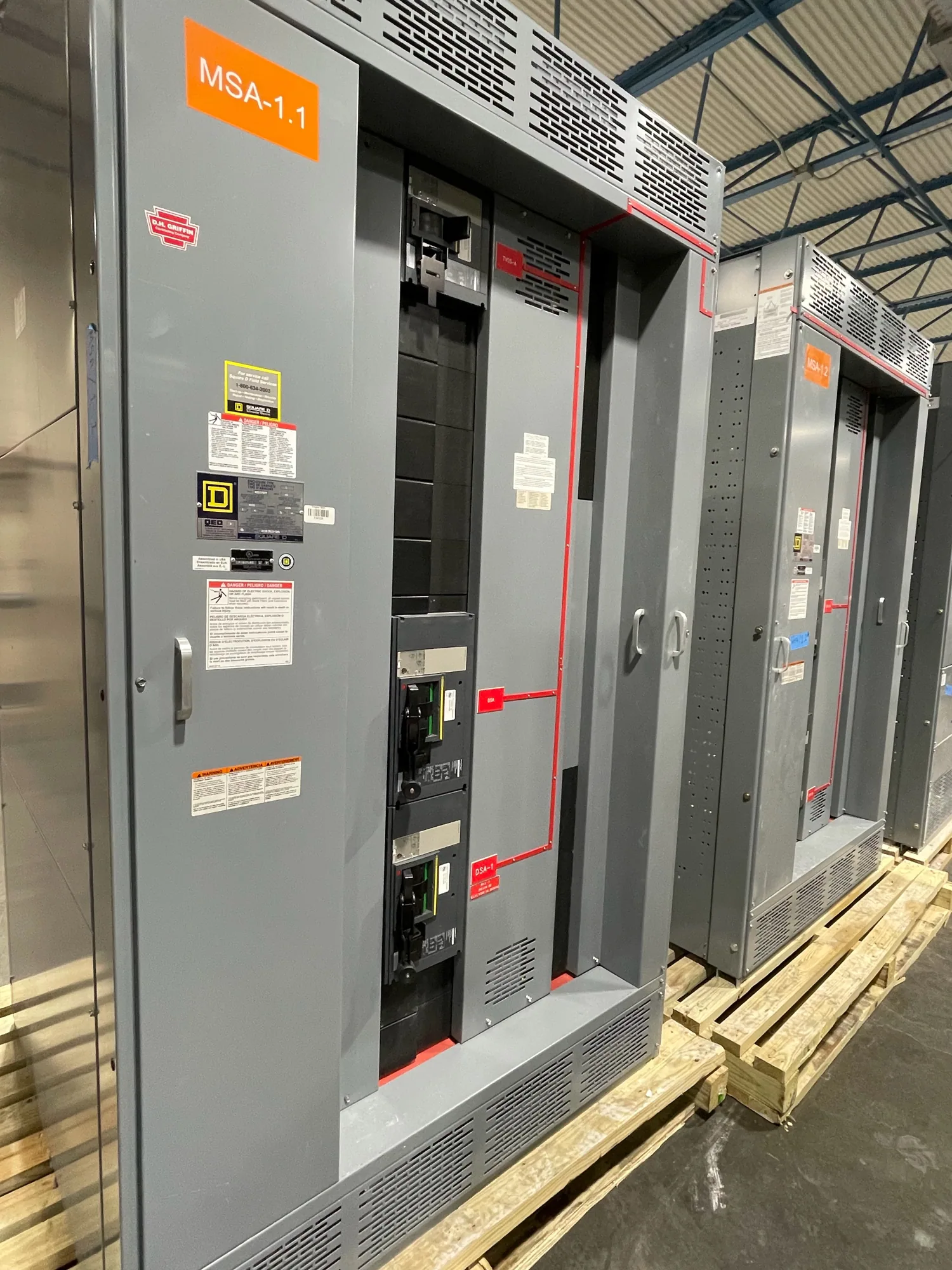
Food and beverage plants bring unlike loads together: process motors, refrigeration compressors, pumps, conveyors, packaging lines, and building services. A metal-enclosed switchgear assembly may serve as a point for controlling and distributing power, but the suitable construction and equipment depend on the project’s voltage class, system arrangement, operating duties, and specification. Begin by defining which loads and feeders belong in the assembly rather than selecting equipment by industry label alone.
For a new-equipment project, map the proposed switchgear to the facility’s one-line diagram and operating plan. Identify its source, downstream distribution, normal and alternate feeds if applicable, and any planned tie or transfer functions. Clarify whether the scope is medium-voltage metal-enclosed switchgear or a low-voltage assembly; these are distinct equipment categories, not interchangeable names. The responsible engineer should establish the system requirements and confirm the proposed design against them.
Match construction to exposure and access
Washdown, humidity, condensation, airborne cleaning chemicals, and temperature variation can affect where electrical equipment can be installed and how it is protected. Do not assume that a metal enclosure is suitable for direct washdown or a particular sanitation zone. Have the project team define the room or location, expected exposure, cleaning methods, ventilation conditions, and any enclosure or separation requirements. Confirm that the specified construction is appropriate for those conditions with the responsible engineer and manufacturer.
Sanitation planning also affects service access. Locate the equipment outside routine spray and cleaning paths where the facility layout allows, while preserving the clearances and working space required by the project and applicable rules. Coordinate door or panel access, cable entry, lifting and replacement paths, and adjacent piping or process equipment before finalizing the room arrangement. A maintainable layout reduces avoidable conflicts; it does not replace qualified personnel or the facility’s established electrical safety procedures.
Coordinate motors, refrigeration, and continuity
Large motors and refrigeration loads can shape switching-device selection, feeder arrangements, and the way the electrical system handles starting and operating conditions. Provide motor data such as voltage, horsepower or other specified load information, starting method, expected duty, and any drive equipment. Identify compressors and process loads that must restart in sequence or remain available during planned operating changes. The project engineer should evaluate these requirements within the complete system design.
Continuity needs should be described in operational terms. Which production areas can stop together, which loads require separate feeders, and what happens during a source interruption or maintenance outage? Identify critical refrigeration, controls, life-safety interfaces, and process interlocks as relevant to the facility scope. Switchgear supply alone does not establish a facility’s outage strategy, automatic transfer behavior, or control scheme; those functions must be defined, engineered, and coordinated for the specific project.
Resolve current ratings from real operating data
Continuous-current selection is not simply a matter of adding nameplate currents. The design team should evaluate expected demand, load diversity, future capacity, bus requirements, and the ratings of individual switching devices and feeders. Provide a load schedule and one-line diagram, including known operating profiles and planned expansion. Ask the responsible engineer to identify the required continuous-current rating for the bus and each relevant device, and to confirm that the selected assembly supports the intended duty.
Ambient temperature, enclosure conditions, ventilation, installation location, and other specified operating conditions may affect equipment selection or allowable loading. Do not assume a rating based on a typical plant or a catalog description. Supply the project’s expected temperature range and installation details, and ask what assumptions apply to the proposed configuration. The manufacturer and engineer should resolve any derating or special construction questions against the actual design and supplied equipment before approval.
Grounding, switching, and interface details
Grounding provisions must align with the system grounding method, source arrangement, and project protection design. Provide available grounding details and indicate any requirements for grounding switches, interlocks, metering, relaying, or control interfaces. Switching devices should be specified for their intended function, operating sequence, and system conditions; a device selection cannot be verified from the process description alone. Confirm interfaces with transformers, motor-control equipment, drives, and downstream switchboards early enough to coordinate terminations and control wiring.
Food and beverage projects may also have strict outage windows and staged construction. Identify delivery access, equipment-room readiness, cable routing, commissioning responsibilities, and any constraints on shutting down existing processes. South Carolina Switchgear Builders manufactures and supplies new equipment, custom to specification, with nationwide shipping. Engineering, installation, field testing, and maintenance responsibilities should be clearly assigned among the project’s qualified professionals and contractors.
Prepare a complete purchasing package
For a useful quotation review, provide the one-line diagram, voltage class, source and grounding information, load schedule, bus and device rating requirements, protective-device preferences, enclosure and environmental conditions, and control or metering needs. Include available room drawings, cable-entry direction, termination details, access limits, and required submittal information. Note whether the project involves a new facility, replacement, or phased expansion, and state the desired shipment schedule for confirmation.
Ask the manufacturer to identify the proposed equipment scope, design assumptions, exclusions, and information still needed. Availability and actual lead time depend on the order and must be confirmed; do not plan production around an unverified date. Review the submittal with the responsible engineer for electrical coordination, physical fit, sanitation interfaces, and operating needs. This disciplined handoff helps the purchasing team compare proposals on the same defined basis and move toward a configuration suited to the facility.