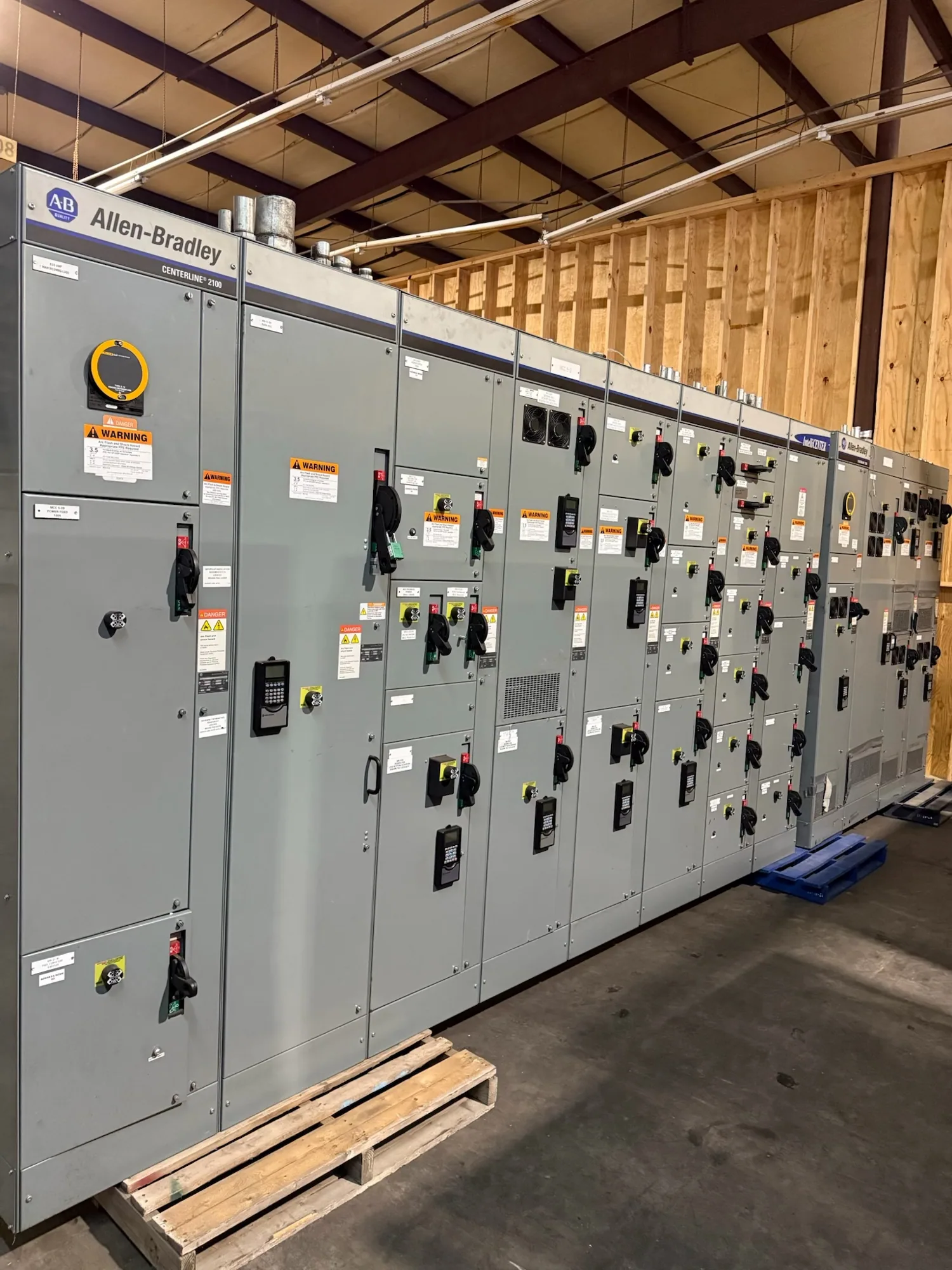
Plan around campus distribution needs
Higher education campuses often add or renovate buildings in phases while continuing to serve occupied classrooms, laboratories, residences, and central plants. Outdoor switchgear may support a defined distribution point within that larger system, but its suitability depends on the electrical design and the installation environment. Begin by identifying which feeders the equipment will serve, what loads they supply, and how the project fits the campus distribution plan.
For a hypothetical project, a new laboratory wing may require a feeder from an outdoor lineup, while a central plant expansion or academic building renovation introduces different load and outage constraints. Treat each connection as part of a coordinated system rather than selecting equipment from building names alone. The project engineer should confirm the one-line diagram, system voltage, available fault information, protective-device requirements, and the intended operating arrangement.
Match the enclosure to the actual site
Outdoor location makes enclosure construction and site conditions part of the equipment specification. Identify exposure to precipitation, humidity, wind-driven water, airborne contaminants, temperature variation, and any campus-specific environmental concerns. Ask the responsible engineer to define enclosure type and construction details appropriate to the application. Do not assume that a general outdoor designation resolves every exposure or maintenance requirement.
Moisture management deserves attention in both design and operation. Confirm what provisions are specified to limit condensation or manage internal moisture, and whether any site conditions affect those provisions. Coordinate ventilation, heaters, drains, or other features only where they are included in the approved design. The equipment supplier needs the project’s environmental assumptions and required construction details to assess the requested configuration accurately.
Coordinate foundations, access, and interfaces
Before finalizing the lineup, coordinate its footprint, mounting arrangement, cable entry, conduit routing, clearances, and foundation interfaces with the civil and electrical plans. Confirm who provides foundation drawings and who verifies dimensions, anchorage, and site readiness. Utility or campus duct banks, existing underground services, drainage, and planned landscaping may affect placement. Resolve these interfaces before procurement documents are treated as final.
Maintenance access is a campus planning issue, not just a clearance on a drawing. Consider how qualified personnel will approach the equipment, open doors or access compartments, use required tools, and keep the working area available after nearby construction is complete. Account for fencing, vehicle routes, building entrances, and other equipment. The design team should confirm applicable clearances and safe access requirements for the actual installation.
Plan feeders and campus outage windows
For multi-building feeder planning, document each circuit’s destination, expected operating role, conductor and termination requirements, protection scheme, and relationship to existing distribution. Confirm which loads are critical and whether the design includes alternate sources, ties, or transfer arrangements. Those choices affect lineup configuration and coordination; they should come from the project’s electrical design, not from assumptions based on typical campus practice.
Phased construction can make cutovers difficult. Identify existing equipment and circuits affected, the planned sequence of work, required shutdown duration, and campus restrictions on outage timing. Coordinate these details with the owner, engineer, contractor, and equipment supplier early enough to expose scope gaps. The manufacturer supplies equipment to the confirmed specification; field installation, testing, switching, and maintenance are separate responsibilities for qualified personnel under applicable safety procedures.
Resolve continuous current and operating conditions
Continuous current selection should follow the project’s load assessment and system design. Provide expected normal load current for each relevant bus or feeder, known load growth assumptions, load profiles where available, and the intended operating configuration. Identify whether equipment may carry combined or transferred loads during a contingency or maintenance condition. The responsible engineer must determine which conditions govern the required ratings.
Bus and switching-device current ratings are related but not interchangeable design decisions. Ask the engineer to specify the required continuous current rating for the bus and each device, then review whether ambient temperature, enclosure conditions, installation details, or other stated derating factors affect the selection. Do not infer capacity from enclosure size or a single nameplate value. Confirm the applicable ratings and operating-temperature assumptions for the specific assembly before release.
Prepare a complete campus equipment scope
A useful request for quotation identifies system voltage, one-line diagram, feeder count and destinations, required bus and device ratings, protection and control needs, cable entry and termination details, enclosure requirements, site conditions, and drawing or documentation expectations. Include the project schedule, requested delivery window, phased construction milestones, and any owner standards. Note which requirements are mandatory and which remain subject to engineering review.
Also state who is responsible for design approval, foundation and conduit coordination, field installation, testing, and final commissioning. Provide known interface drawings and identify unresolved questions rather than filling gaps with assumed values. South Carolina Switchgear Builders manufactures new switchgear to specification, with US-built equipment and all-American components, and ships nationwide. Availability and actual lead times depend on the order and must be confirmed.
Coordinate procurement through approval
Before approving equipment drawings, compare the proposed arrangement with the project one-line, feeder schedule, site plan, owner requirements, and outage sequence. Resolve discrepancies in ratings, compartment access, cable routing, control interfaces, and foundation dimensions with the responsible project parties. Confirm which listing, testing, standards, and documentation apply to the specific design; applicability depends on the equipment and approved specification.
A complete, coordinated scope helps the manufacturer quote the intended new equipment and gives campus stakeholders a clearer basis for scheduling construction. Keep engineering decisions with the project engineer, and coordinate installation and field work with the contractor and owner. When site conditions, feeder duties, interfaces, and procurement responsibilities are documented together, the equipment selection can support campus expansion without treating each building connection in isolation.