What an enclosure rating means for an MCC
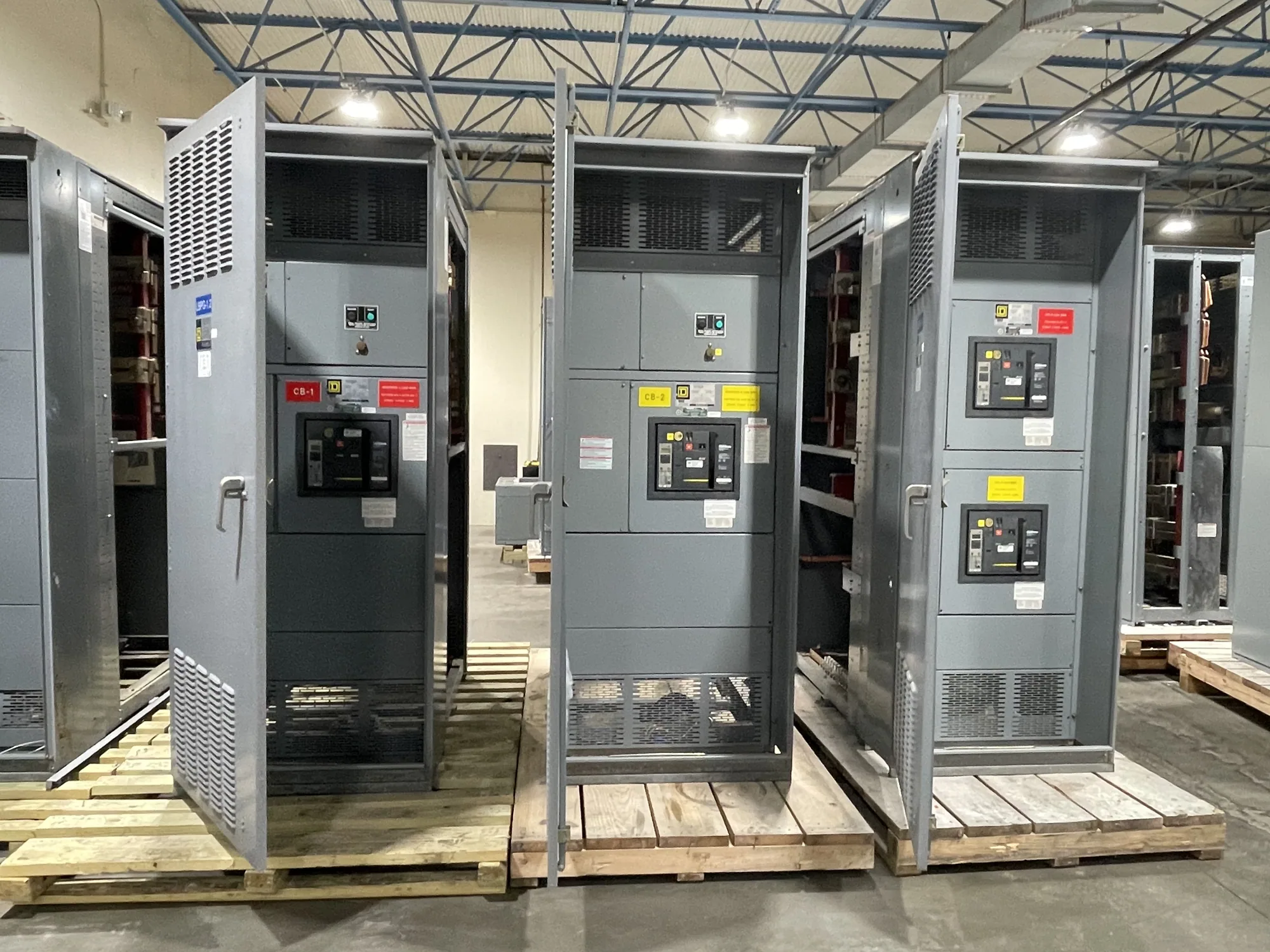
A motor control center (MCC) groups motor branch-circuit and control equipment, such as starters and, where specified, drives. Its enclosure rating describes defined protection characteristics of the enclosure; it is not a general measure of electrical performance, nor a synonym for switchgear. Specifying the rating helps communicate how the assembly is intended to address exposure at its installation location.
The right choice depends on the actual environment and the complete assembly configuration. A room described as “indoors” may still have washdown, dust, condensation, corrosive substances, or restricted access. Conversely, selecting a more protective enclosure without evaluating heat removal, maintenance access, dimensions, and cost can introduce avoidable design constraints. The responsible project engineer should establish the required rating and verify it against the equipment specification.
Start with the installation environment
Describe what the MCC will encounter rather than relying on a room label alone. Identify whether it is indoors or outdoors, whether water exposure is possible, how cleaning is performed, and whether airborne dust, fibers, oil, chemicals, or corrosive vapors are present. Note temperature variation, humidity, condensation risk, and nearby processes that could affect the equipment. These details let the design team review the requested enclosure type against actual conditions.
State how the enclosure rating is to be documented, including the applicable NEMA or other rating basis specified for the project. Do not assume that a rating name alone resolves every installation question: the applicable standard, assembly design, accessories, openings, and installation conditions require review. Confirm that doors, ventilation provisions, cable entry arrangements, and other specified features are included in the evaluated configuration rather than inferred from a broad product description.
Coordinate enclosure choice with MCC components
Enclosure selection affects more than the outer cabinet. Starters, feeder protection, control components, and variable-frequency drives may have different heat contributions, clearances, and access needs. A design that limits air exchange to address environmental exposure may require a separate thermal review. Ask the responsible engineer to evaluate heat dissipation for the proposed lineup and operating conditions, including expected simultaneous loading and the project’s ambient temperature assumptions.
Also coordinate the enclosure with cable entry, wiring space, maintenance access, and the planned lineup location. Confirm whether incoming and outgoing conductors enter from above, below, or another specified arrangement, and whether the room provides the working and service clearances required by the project. If future motor loads are anticipated, identify them early: spare space, bus capacity, starter type, and heat effects are separate design questions, not benefits guaranteed by an enclosure rating.
Consider access, cleaning, and process exposure
For a food and beverage facility, for example, an MCC could be installed in a dry electrical room near a production area, in a space subject to periodic cleaning, or in a location exposed to process dust or moisture. Those are illustrative conditions, not assumptions about a particular site. The buyer should describe actual cleaning methods, spray direction and reach, chemicals, airborne material, and whether doors must be opened during routine operation or service.
Those details may lead to different enclosure requirements for different locations within one facility. They also raise practical questions: Can the selected construction support the specified cleaning conditions? How will heat be managed? Are cable entrances and unused openings addressed in the design? Qualified project personnel should assess applicable standards and site conditions rather than treating an example rating as a recommendation. Values not yet known—such as ambient conditions or cleaning exposure—should be marked for engineering confirmation.
Information to provide with a specification
- Installation location and indoor or outdoor designation, with exposure to water, dust, chemicals, corrosion, humidity, and temperature described.
- Required NEMA or other enclosure-rating basis, including who will confirm applicability to the complete assembly and its options.
- MCC voltage and system information, lineup dimensions or space constraints, access orientation, and conductor entry requirements.
- Motor list or preliminary load schedule, starter and drive requirements, feeder protection needs, and known future-load plans.
- Cleaning practices, room ventilation assumptions, operating environment, maintenance access needs, and any project-specific documentation requirements.
Review exclusions and confirm the delivered configuration
A rating should not be read as a guarantee against every environmental hazard or as confirmation of system suitability. Ask which parts of the supplied assembly are covered by the specified rating and identify any installation-dependent exclusions, such as field modifications or openings. Confirm how accessories, ventilation, cable-entry provisions, and any customer-supplied components affect the documented configuration. The project specification should make responsibilities for field work and final verification clear.
South Carolina Switchgear Builders manufactures new MCCs to specification, with US-built equipment and nationwide shipping. When requesting a proposal, provide the site conditions, electrical and motor data, desired enclosure-rating basis, layout constraints, and documentation expectations. Availability and actual lead times depend on the order and should be confirmed. Before release, the buyer and responsible engineer should resolve open environmental assumptions and verify that the proposed assembly matches the project’s requirements.