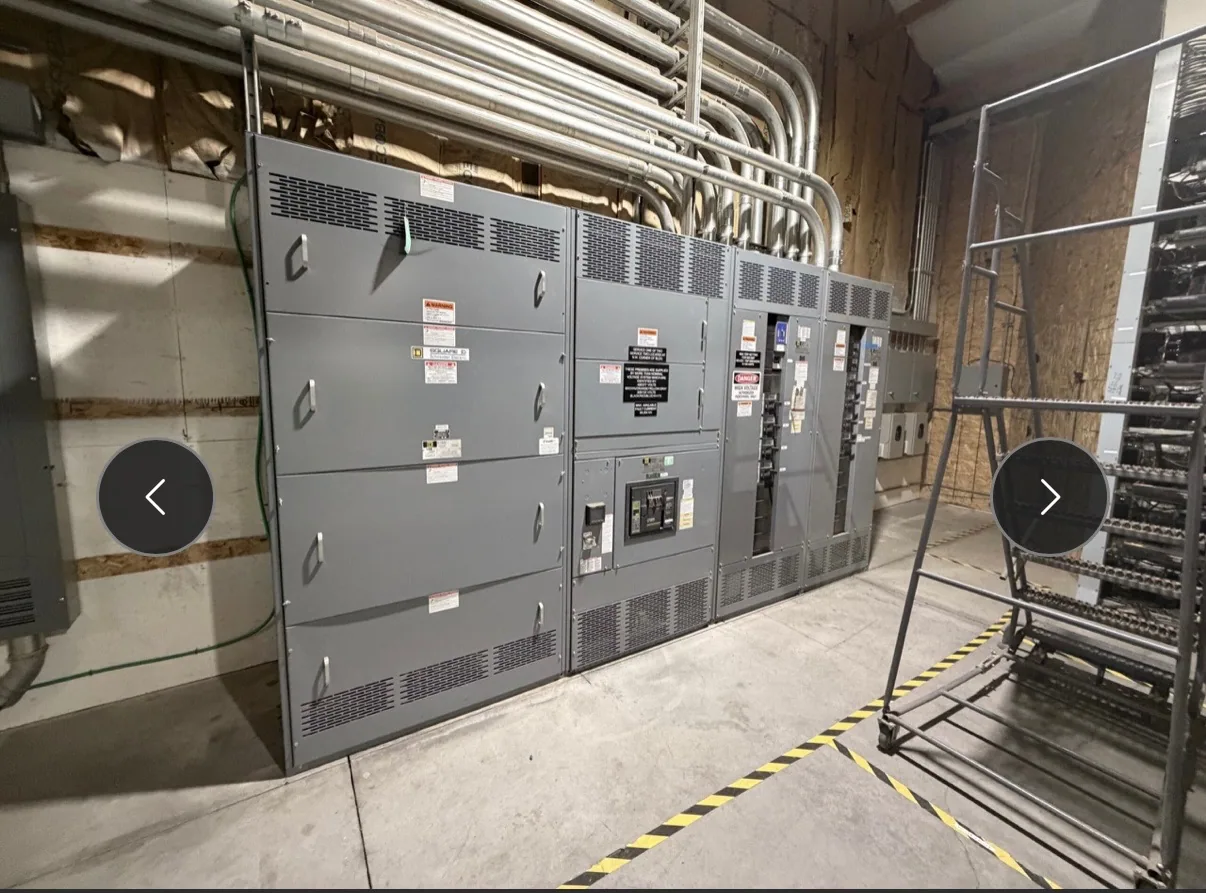
Define what the enclosure must address
An enclosure rating is one part of an electrical distribution specification, not a substitute for the complete equipment design. It describes protection associated with the enclosure under defined conditions. For a buyer specifying new equipment, the useful question is not “Which rating is best?” but “Which documented enclosure characteristics fit this exact installation and operating environment?”
Start by identifying the equipment and its intended location. A low-voltage switchboard and medium-voltage metal-enclosed switchgear have distinct construction and application considerations; their specifications should not be treated as interchangeable. Record whether the equipment is indoors or outdoors, installed in a dedicated electrical room or another space, and exposed to conditions such as rain, dust, washdown, corrosive substances, or unusual temperature and humidity.
Build an exposure picture before selecting a rating
Describe credible exposure rather than relying on a broad label such as “industrial” or “weatherproof.” Note whether water could arrive as occasional dripping, wind-driven rain, hose-directed cleaning, or another condition identified by the project team. Consider airborne dust, fibers, chemical vapors, salt, condensation, and temperature extremes where they are relevant. The responsible engineer should determine which conditions the equipment must address and how they will be controlled.
Installation details matter as much as the room name. Clarify whether the enclosure is free-standing, wall-adjacent, placed on a housekeeping pad, or located beneath a roof overhang. Identify nearby drains, doors, process equipment, ventilation outlets, and paths for moving or servicing the assembly. An overhang or indoor location may reduce some exposure, but it should not be treated as proof that a particular rating is suitable.
Consider access, service, and enclosure features
Access requirements affect the enclosure arrangement. State which sides need working or maintenance access, where operating handles and viewing points should be located, and whether doors must open into a clear aisle. Explain how the equipment will be installed and how qualified personnel are expected to inspect or service it under the project’s safety procedures. Access and working-space requirements should be coordinated with the electrical design, not inferred from a rating label.
Ask how doors, seams, ventilation openings, louvers, filters, cable entry points, and removable panels affect the specified enclosure performance. If heat dissipation requires ventilation, the design team should assess the tradeoff between airflow and protection from environmental exposure. Cable entrances and field modifications also need defined details; a rating on an assembly does not automatically establish the performance of every later penetration or alteration.
Use the applicable rating system precisely
Where a NEMA enclosure type or another rating system is requested, name the applicable system and the required designation in the project documents. Do not assume that similarly worded terms across standards mean identical test conditions or protection. The buyer and engineer should verify the meaning, scope, and evidence required for the designation in the governing specification. Avoid specifying a rating solely because it appeared on an earlier project with a different environment.
Request confirmation that the proposed enclosure configuration and any stated rating apply to the equipment being quoted. Ask what documentation will identify the rating, its limits, and the configuration to which it applies. Listing, testing, and standards applicability must be confirmed for the specific design and supplied equipment; no generalized product description establishes that every assembly has the same status.
Compare equipment types without assuming equivalence
For example, a project may consider a low-voltage electrical switchboard in an indoor electrical room and medium-voltage metal-enclosed switchgear in a separate outdoor location. The switchboard specification should address its room conditions, access, cable entry, and ventilation needs. The outdoor switchgear review should separately assess weather exposure, mounting, drainage, service clearances, and any environmental conditions identified by the project engineer.
Those descriptions do not establish that either product needs a particular enclosure type. The engineer must verify the applicable equipment design, voltage class, installation conditions, and project requirements. A rating suitable for one assembly or location should not be carried over to the other by analogy. Where site exposure is uncertain, resolve it with the owner, facility team, and responsible design professionals before the equipment specification is finalized.
Prepare a complete enclosure specification
Before requesting a quotation, provide the equipment type and voltage class, indoor or outdoor location, mounting arrangement, and a clear account of environmental exposure. Identify access and service constraints, expected cleaning practices, nearby processes, cable-entry directions, and any required rating system or designation. Include drawings or room and site information when available, while marking assumptions that still require engineering review.
Ask the manufacturer to identify the proposed enclosure arrangement, applicable rating documentation, exclusions, and any design-dependent items requiring confirmation. Coordinate these questions with the project’s applicable code and standards research, equipment layout, thermal considerations, and installation plan. South Carolina Switchgear Builders manufactures new equipment to specification and ships nationwide; availability and lead times depend on the order and should be confirmed. A clear, site-based specification gives the project team a sound basis to evaluate the proposed equipment and resolve open items before purchase.