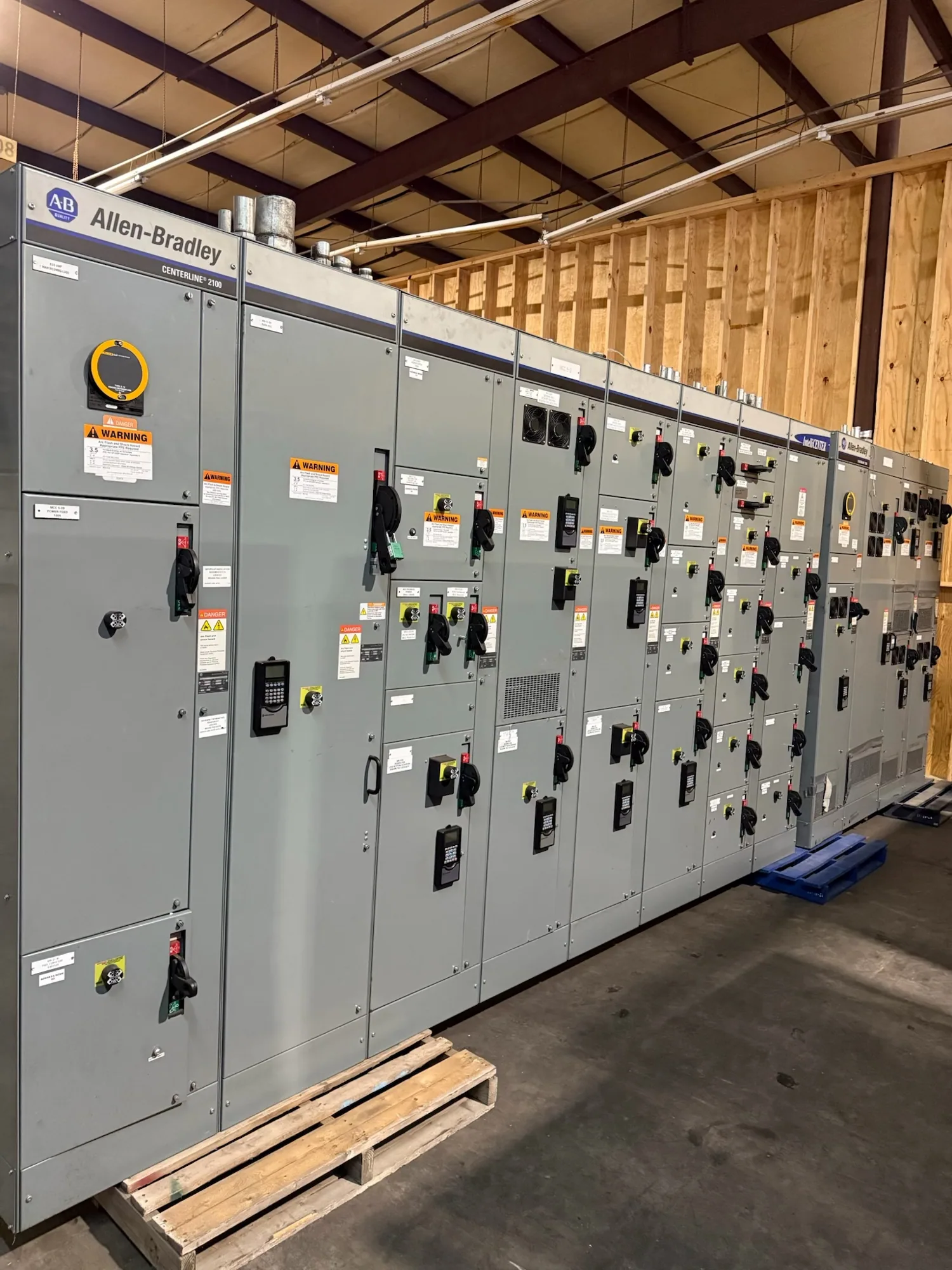
What a 2500 A rating represents
A 2500 A switchgear designation refers to a current rating identified for a particular assembly and configuration. It does not, by itself, establish how much load a facility can serve, whether every connected device is rated for 2500 A, or whether the equipment suits a given installation. Confirm the rating and its conditions in the manufacturer’s documentation for the actual proposed design.
For a buyer, the useful question is not simply whether the gear is labeled 2500 A. Ask what part of the assembly the value applies to, how the main and distribution devices are arranged, and what installation conditions the documented performance assumes. Equipment selection should follow the project’s electrical design and applicable code review, not an ampere figure considered in isolation.
Relate calculated demand to the assembly
Consider a hypothetical project where the engineer is evaluating a 2500 A assembly for a new distribution point. The calculated demand, operating profile and anticipated loads inform whether that rating is appropriate; the nameplate value does not replace those calculations. The responsible engineer should assess present requirements as well as relevant design assumptions for future loads, while confirming the selection against the complete equipment specification.
Ask how the proposed main bus rating relates to the feeder schedule and main protective device. Individual breakers or other devices have their own ratings and functions; a 2500 A bus does not make every outgoing circuit a 2500 A circuit. The number, type and arrangement of devices affect the equipment layout and should be reconciled with the one-line diagram, load schedule and project requirements.
Configuration and thermal performance
Available device configurations shape the practical value of a 2500 A selection. Feeder quantities, device types, section arrangement and space requirements may affect the proposed assembly. Discuss required circuits and any planned spare positions early, and ask the manufacturer to confirm which configuration can be supplied to the project specification. Do not assume that a particular layout or expansion provision is available without design review.
Continuous-current performance also depends on the documented design and its specified conditions. Ambient temperature, enclosure arrangement, ventilation and installation details may be relevant, but their effects must be confirmed for the actual assembly rather than inferred from the nominal rating. Request applicable manufacturer documentation identifying the conditions and configuration associated with the rating. If the installation environment differs from those conditions, have the responsible engineer determine whether changes are needed.
Keep short-circuit requirements distinct
Current rating and short-circuit capability address different design questions. The 2500 A figure describes a continuous-current rating when supported by the assembly documentation; it does not establish the equipment’s short-circuit rating or suitability for a fault level. Provide the project short-circuit study or the information needed to coordinate with it, and have the engineer confirm the required ratings for the specific equipment and system.
Protection and coordination must also be reviewed as part of the system design. The selected devices, their settings and the available fault current cannot be settled by choosing a 2500 A assembly alone. Ask the manufacturer to identify the ratings and documentation available for the proposed configuration, then leave engineering determinations and code review to the qualified project professionals.
Plan phased loads without relying on assumptions
Future expansion can influence the initial device layout, but a larger or nominally suitable bus does not guarantee that later loads can be added without redesign. Identify anticipated phases, likely feeder additions and any constraints on footprint or access. The project team can then evaluate whether planned spaces and the documented configuration support the intended sequence, subject to confirmation of future load, thermal and fault requirements.
Balance those provisions against the equipment actually needed now. Unspecified future capacity can lead to an unsuitable arrangement, while a tightly defined initial layout may limit options later. Share assumptions clearly and ask which are reflected in the design. Any future change should be reviewed by qualified personnel against the equipment documentation and updated project conditions before implementation.
Information to provide for a specification review
Prepare the one-line diagram, load schedule, system voltage, feeder list and relevant short-circuit study information. Include environmental and installation conditions, the required device configuration, project phasing, and any dimensional or interface constraints. State whether the 2500 A value is a required bus or assembly rating, and identify the design documents that govern the request. This gives the manufacturer a basis for reviewing a new equipment configuration rather than guessing at scope.
Ask for the applicable manufacturer documentation, confirmed ratings, configuration details, availability and delivery timing for the specific order. Lead times depend on the order and must be confirmed. South Carolina Switchgear Builders manufactures new switchgear and switchboards to specification, with US-built equipment, all-American components and nationwide shipping. The project engineer should verify that the final documented assembly meets the design and applicable requirements before procurement and installation proceed.