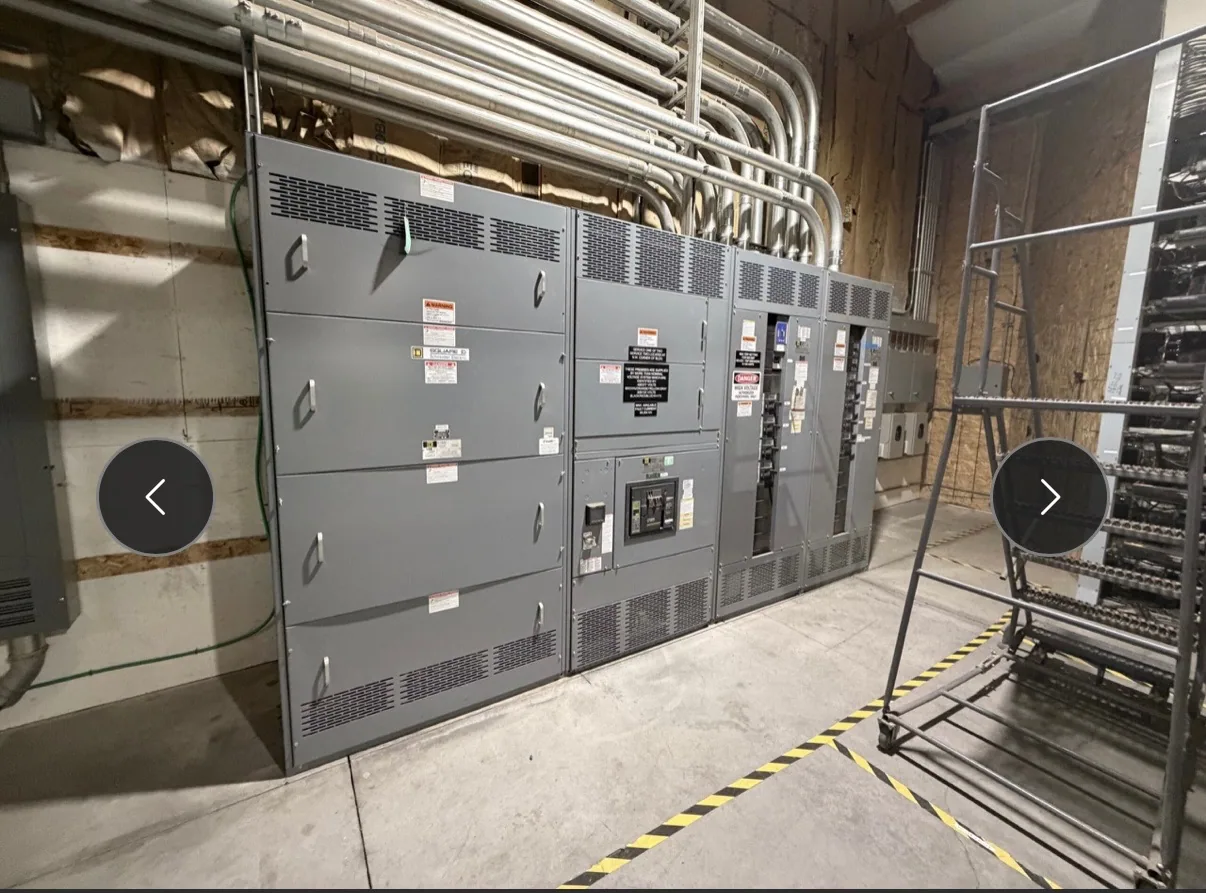
What outdoor switchgear is designed to address
Outdoor switchgear places electrical switching and distribution equipment in an enclosure intended for the conditions at an exposed installation. It is not simply indoor equipment placed outside: the enclosure, electrical assembly and supporting site design must work together. The equipment type and functions depend on the distribution system; outdoor switchgear should not automatically be treated as interchangeable with a switchboard or a pad-mounted assembly.
For a South Carolina project, the owner and engineer should describe the actual location rather than assume a single regional climate. An inland site with wind-driven rain and dust may present different concerns from a coastal site exposed to salt-laden air. Nearby processes, landscaping, vehicle traffic and drainage can also change what the enclosure must withstand.
Describe moisture, corrosion and enclosure exposure
Rain is only one moisture source. Humidity and temperature changes can create condensation inside an enclosure, while standing water, runoff or flooding may affect the equipment from below. Share the anticipated exposure and elevation constraints with the design team. The engineer and manufacturer can assess suitable enclosure construction and whether features such as heaters, ventilation or moisture management are appropriate for the proposed assembly.
Enclosure designation, corrosion resistance and internal humidity control are separate questions. A designation should be selected for the expected exposure and verified for the actual assembly; it does not by itself establish suitability for every salt, chemical or flood condition. Discuss enclosure materials, coatings, seals, ventilation openings and maintenance of those features in relation to the specific environment. Any penetrations or cable-entry arrangements also need coordinated details that preserve the intended enclosure performance.
Sun exposure and high ambient temperature can affect equipment temperature, while debris or windborne dust may influence air paths and maintenance needs. Identify expected temperature ranges, direct sun, nearby heat sources and contaminants in the specification. The project engineer should review the proposed thermal design and operating conditions rather than assume an outdoor enclosure has the same operating limits as an indoor lineup.
Match the electrical system and protection
The one-line diagram is the starting point for determining source and feeder arrangements. Provide nominal system voltage, system configuration, normal load currents and the project engineer's available fault-current information. The engineer must confirm equipment maximum voltage, insulation requirements, bus and device current ratings, and required interrupting and withstand capabilities. Ratings and any temperature-related derating belong to the actual equipment design, not the outdoor label alone.
Define the required protective functions and how they coordinate with upstream and downstream equipment. Depending on the design, the inquiry may need relay functions, instrument transformer information, control power, alarms, metering and communications interfaces. An outdoor location can affect routing and interfaces for control and monitoring circuits. The engineer establishes system protection requirements; the manufacturer confirms the proposed equipment scope and interfaces.
Plan the foundation, connections and access
A foundation plan involves more than the footprint shown on an equipment drawing. The civil and electrical designers should coordinate support, anchorage, drainage, flood exposure, ground conditions and cable or conduit entry with the proposed assembly. Site-specific wind and other structural conditions may also need review. Equipment drawings, foundation details and installation responsibilities should be reconciled before concrete or underground work is committed.
Consider how a truck and handling equipment reach the site, where sections can be unloaded, and whether gates, overhead obstructions or ground conditions limit movement. The final layout also needs usable access for approved operation and maintenance, including door movement and eventual component handling. The responsible designer and contractor must confirm applicable access and safety requirements; a catalog footprint alone is not an installation plan.
Balance current loads with future expansion
Consider a hypothetical production facility adding outdoor distribution for several lines and motor loads, with another line contemplated later. The team could compare a configuration sized for the present documented loads with one that includes specified future feeder provisions. The choice affects the lineup, connections and site layout. Space reserved for a future device does not establish that the source, bus, protection or thermal design can support the added load.
Ask the engineer to examine the expected operating patterns and expansion scenario, and ask the manufacturer what provisions can be included in the proposed design. A larger enclosure may offer more room for interfaces or later additions, but it can also change the foundation, shipping arrangement and access plan. The right tradeoff depends on the documented project, not on an assumption that a particular layout fits every facility.
Prepare the inquiry and coordinate the project
For a useful equipment inquiry, provide the one-line diagram, electrical and protection requirements, site location and environmental exposures, proposed foundation and entry details, access constraints, required documentation and delivery destination. Flag unresolved inputs and identify any project-specific testing, listing or applicable standards for confirmation. A component's status does not establish the status of the complete assembly; verify the proposed equipment and its documentation for the project.
South Carolina Switchgear Builders manufactures new custom switchgear in the United States using all-American components and ships nationwide. Confirm availability of the specific outdoor configuration, its features and its delivery timing for the order. The owner, qualified engineer, manufacturer and installing contractor should establish their respective approval, receiving, installation and commissioning responsibilities. Qualified personnel should perform installation, testing and maintenance under applicable safety procedures.