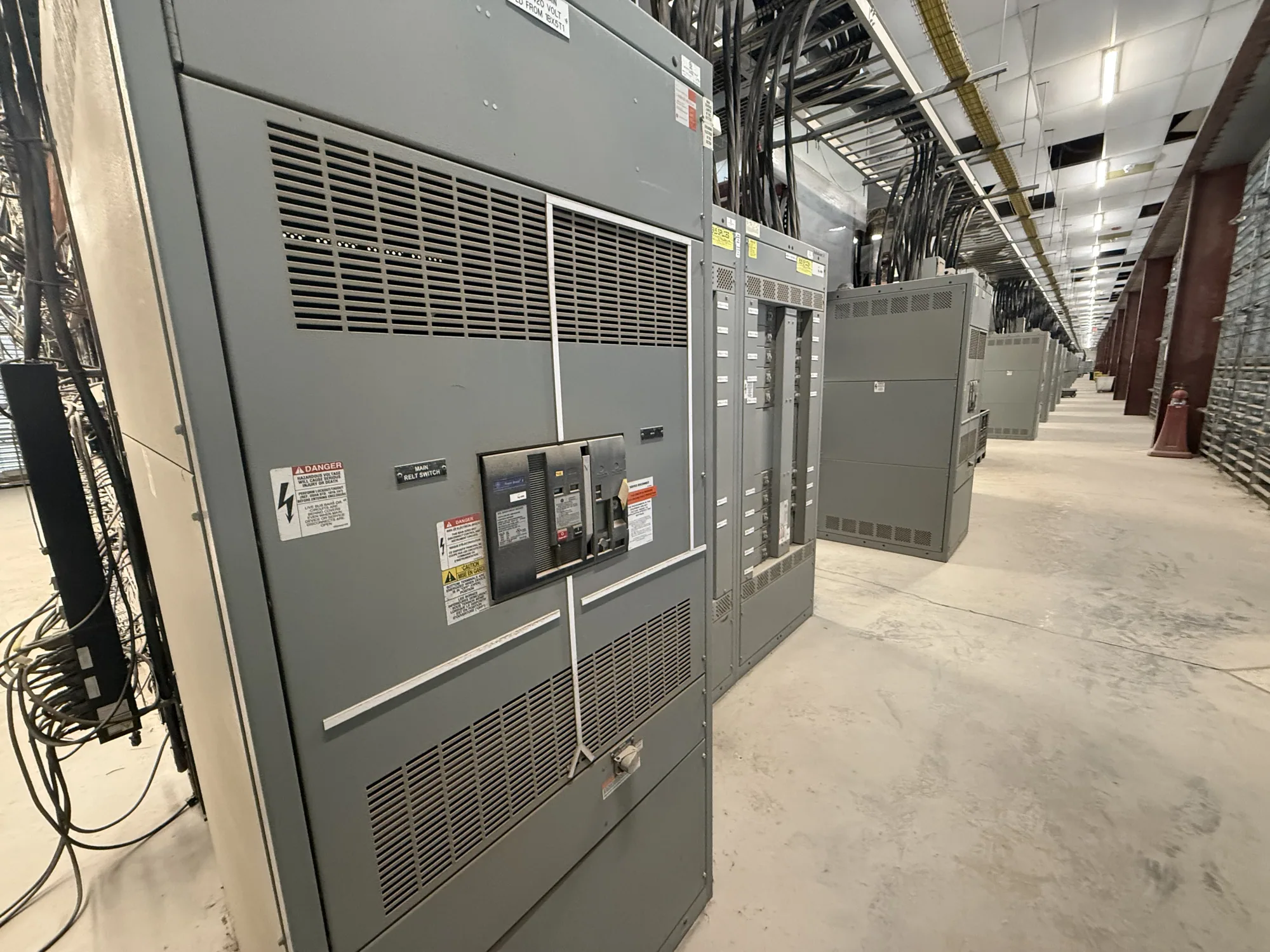
Start with the project boundary
Ordering custom switchgear begins with a clear definition of what the equipment must do and where the manufacturer’s scope starts and ends. Establish the project location, intended application, new-equipment requirement, and the parties responsible for system design, installation, and acceptance. Identify whether the request concerns low-voltage switchgear, a switchboard, or medium-voltage equipment; these terms describe different product categories and should not be treated as interchangeable.
Before requesting a quotation, determine which requirements are fixed and which can be reviewed. A fixed requirement may come from the approved electrical design, owner standards, or a defined interface with existing infrastructure. Other details—such as arrangement, access, or certain options—may be open to discussion. Record the source and approver for each requirement so a proposed alternative does not inadvertently override an engineering decision.
Define customization without losing compatibility
Customization should address documented project needs, not introduce changes without a clear purpose. Prepare a one-line diagram, equipment schedule, available room or lineup dimensions, and relevant connection information for review. Include the system voltage class and project-specific electrical requirements as stated by the engineer. The responsible project engineer must confirm that the proposed configuration suits the installation and coordinates with upstream and downstream equipment.
Separate required functions from preferred features. For each requested option or physical change, explain the problem it solves and identify any limits imposed by the site, operating plan, or construction sequence. Ask the manufacturer to identify which requested features are within its available offerings and which need further engineering confirmation. Do not assume that a familiar component, enclosure arrangement, or interface will fit a different design without review.
Resolve ratings, interfaces, and documentation
Provide the ratings and fault-duty information required by the project documents, and have the responsible engineer verify the values and their application. Short-circuit ratings must be evaluated in context; the equipment selection should match the system design and any specified coordination requirements. If the project has a required listing or standard, state it explicitly and request confirmation that it applies to the particular equipment and proposed assembly. Listing and testing details are design-specific, not blanket assumptions.
Clarify every interface that could affect layout or field coordination: incoming and outgoing conductors, cable entry direction, termination space, bus connections, control wiring, metering, and communication provisions, as applicable. Ask who supplies each interface component and which drawings or schedules govern it. For a low-voltage switchboard, determine whether UL 891 applies to the requested design and verify assembly listing for that specific configuration; do not apply that standard to medium-voltage switchgear.
Use design review to control change
Agree on the submittal sequence before the order is released. The buyer should provide current, approved project documents and identify who can return consolidated comments. The manufacturer can prepare documents for review against the supplied requirements, while the engineer of record remains responsible for design decisions and approval of project-specific system criteria. Establish how open questions, exceptions, and requested deviations will be recorded.
Set a design-freeze point that fits the project’s approval process, then define how revisions will be handled afterward. A change to dimensions, ratings, connections, controls, or accessories may affect other parts of the configuration and may require updated drawings or confirmation of availability and schedule. Route changes through named approvers, document the revision, and ask for written confirmation of its effect before treating it as accepted.
Coordinate responsibilities and schedule assumptions
Clarify responsibilities among the owner, engineer, manufacturer, contractor, and carrier. The owner or authorized buyer should identify procurement authority and site constraints; the engineer should resolve design questions; and the contractor should confirm installation access and field interfaces. Discuss shipping destination, receiving arrangements, unloading responsibility, and any site timing constraints early. Nationwide shipping is available, but delivery dates, handling arrangements, and order-specific lead times must be confirmed for the actual order.
Ask which information is still needed to evaluate the request and when it must be supplied. Availability depends on the specified configuration and should be confirmed rather than inferred from a general product description. Avoid basing a project schedule on an unverified estimate. Coordinate delivery planning with construction readiness, storage conditions, inspection, and the qualified personnel responsible for installation and commissioning.
Prepare a useful purchase package
A focused request for quotation helps the manufacturer assess the intended scope. Include the one-line diagram, equipment schedule, applicable specification sections, requested quantities, site and shipping destination, target procurement milestones, and the name of the technical reviewer. Attach layout constraints and interface details where known. Clearly label documents by revision and note unresolved items rather than silently filling gaps with assumptions.
Before authorizing the order, review the quotation and submittals against the approved requirements. Check equipment type, ratings, configuration, included accessories, exclusions, assumptions, and any proposed exceptions. Confirm that responsible parties have resolved open engineering questions and that the delivery plan is understood. South Carolina Switchgear Builders manufactures new equipment to specification, with US-built equipment and all-American components; configuration, availability, and actual lead time require confirmation for the project.
Make the next decision deliberate
Use the review to decide whether the proposed design meets the project’s documented needs, whether an alternate is acceptable, or whether more information is required before release. Keep the approved specification and final submittals aligned, and distribute the accepted revision to the people responsible for procurement, installation, and inspection. Changes after approval should follow the project’s documented change process rather than informal site instructions.
With a defined scope, verified interfaces, and clear approvals, a custom order is easier to evaluate and coordinate. Send a complete package for review, identify the questions that require engineering judgment, and confirm availability and schedule against the resulting configuration. Installation, testing, and maintenance should be performed by qualified personnel following applicable safety procedures and project requirements.