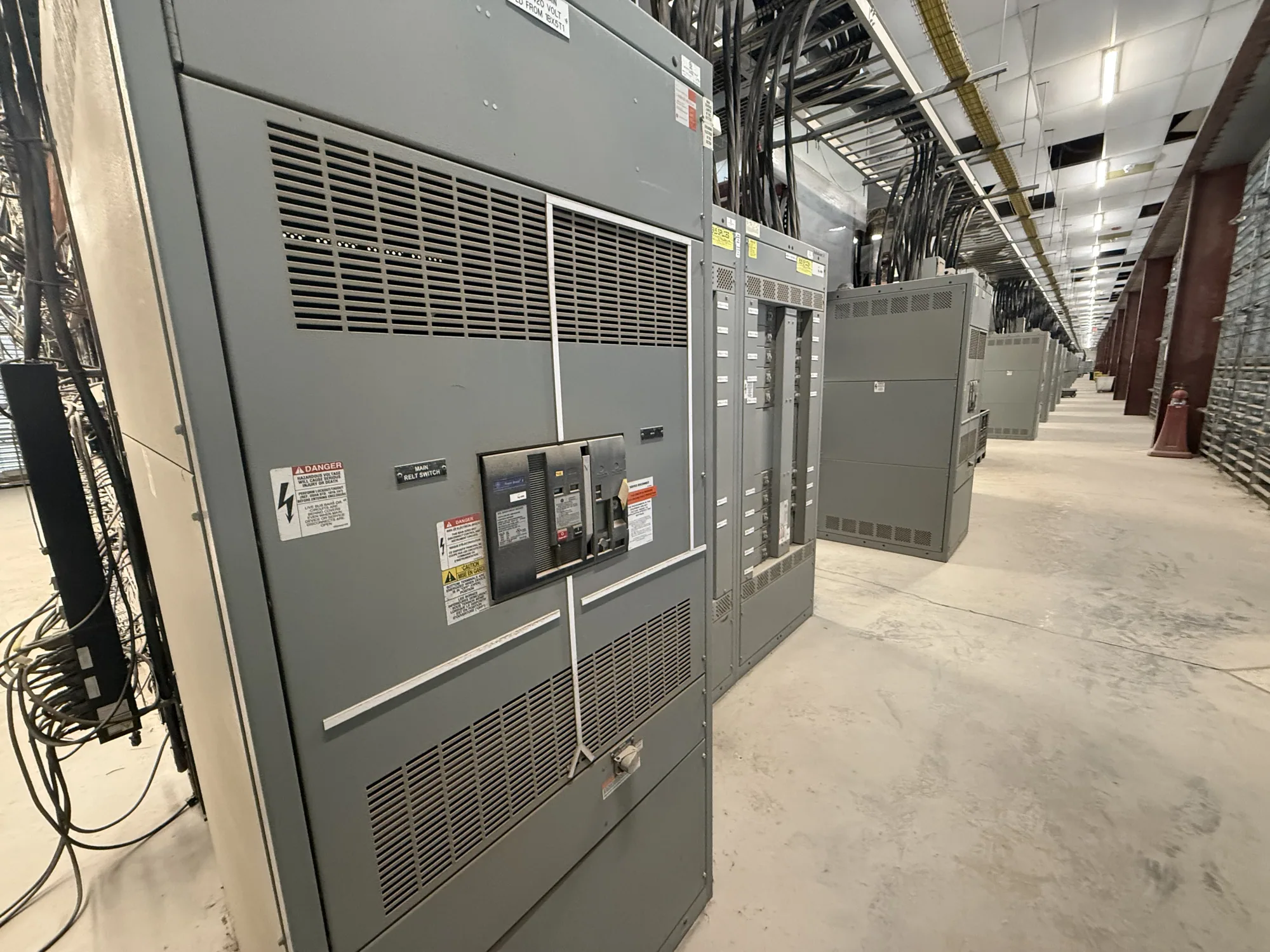
Are factory tests the same as field commissioning?
No. Factory tests and field commissioning are related quality activities, but they happen at different stages and answer different questions. Factory testing evaluates the new switchgear assembly under defined conditions before it leaves the manufacturer. Field commissioning takes place after delivery and installation, when qualified personnel assess the installed equipment and its interfaces within the project’s electrical system.
Neither activity automatically replaces the other. The applicable tests, records, acceptance criteria, and responsible parties depend on the equipment specification and project contract. A factory test does not establish that shipping, installation, field wiring, settings, or system integration are correct. Conversely, field commissioning cannot retroactively verify every manufacturing detail under factory conditions. The project team should define both scopes before procurement.
What factory testing can establish
Factory testing is tied to the manufacturer’s design and the requirements agreed for the specific order. Depending on the assembly and approved test scope, it may include inspections or checks of construction, wiring, mechanical operation, and specified functions. Factory acceptance testing may involve customer or representative participation when arranged, but that does not mean every project requires the same witness points or test procedures.
Ask which checks are included, what acceptance criteria apply, what instruments or procedures are used where relevant, and what records will be provided. Confirm whether the planned activity is routine production verification, a defined factory acceptance test, or another documented scope. The equipment specification, order documents, and manufacturer’s confirmed test plan should align. Do not assume a generic test name guarantees a particular procedure, result, or listing.
What field commissioning addresses
Commissioning concerns the equipment as installed in its intended setting. Qualified project personnel may coordinate inspections and tests of installation condition, grounding and connections, control and protection interfaces, settings, interlocks, and system operation as required by the approved project plan. Which activities apply depends on the design, governing requirements, site conditions, and the responsible engineer’s direction.
Field commissioning also depends on work beyond the manufacturer’s factory scope, such as receiving and handling, assembly if required, anchoring, external cable terminations, control wiring, and coordination with upstream or downstream equipment. The installer, commissioning provider, project engineer, and owner may have separate duties. Identify who supplies test equipment, approves settings, documents deficiencies, and authorizes energization; only qualified personnel should perform installation, testing, and maintenance under applicable safety procedures.
Where responsibilities meet
Consider a new switchboard that passes its agreed factory checks and arrives at a facility. Those checks may support confidence in the built assembly, but they cannot confirm that the board was handled correctly in transit, installed level and secure, connected as designed, or integrated with field devices and the site protection scheme. Those conditions must be addressed through receiving, installation, and commissioning activities.
The reverse is also important: a successful field functional check does not necessarily document all factory verification or prove that the delivered configuration matches every procurement requirement. A sound handoff connects approved drawings and equipment identification with test records, shipping documents, installation records, and commissioning results. Resolve discrepancies through the designated project channels before proceeding; do not treat a passed activity at one stage as blanket acceptance of all later stages.
Questions to settle before ordering
Before placing an order, provide the manufacturer with the equipment type, applicable drawings and specifications, required functions, project interfaces, and any stated inspection or test provisions. Ask what factory testing is included, whether witness testing is available for the project, how results and exceptions will be documented, and when approved drawings and test requirements must be finalized. Requirements should be specific enough to assess against the actual design.
Separately, ask the project engineer and commissioning lead to define site scope, prerequisites, acceptance criteria, required records, and responsibility for settings and system coordination. Clarify who will receive and inspect the shipment, report damage or shortages, manage storage, and arrange installation. Factory testing and field commissioning are coordinated milestones, not interchangeable services, and commissioning arrangements should not be assumed to be included with equipment purchase.
Coordinate records, shipment, and schedule
Testing and delivery planning affect one another. A witness point, documentation review, or design change can influence the order’s sequence, while site access and storage readiness can affect when equipment should ship. Confirm the project’s required documents, review periods, shipping destination, receiving contact, and delivery constraints early. Availability and actual lead times depend on the order and must be confirmed; do not base a site schedule on an assumed test or delivery date.
For a clear handover, identify the records expected from the manufacturer and those produced by the installer or commissioning provider. Check that equipment identifiers and approved configuration references are consistent, and assign a person to track open items through resolution. The manufacturer can confirm the factory scope for the specified new equipment; the responsible project professionals define and execute site work. Keeping those boundaries explicit helps teams plan testing, shipment, installation, and acceptance without confusing one milestone for another.