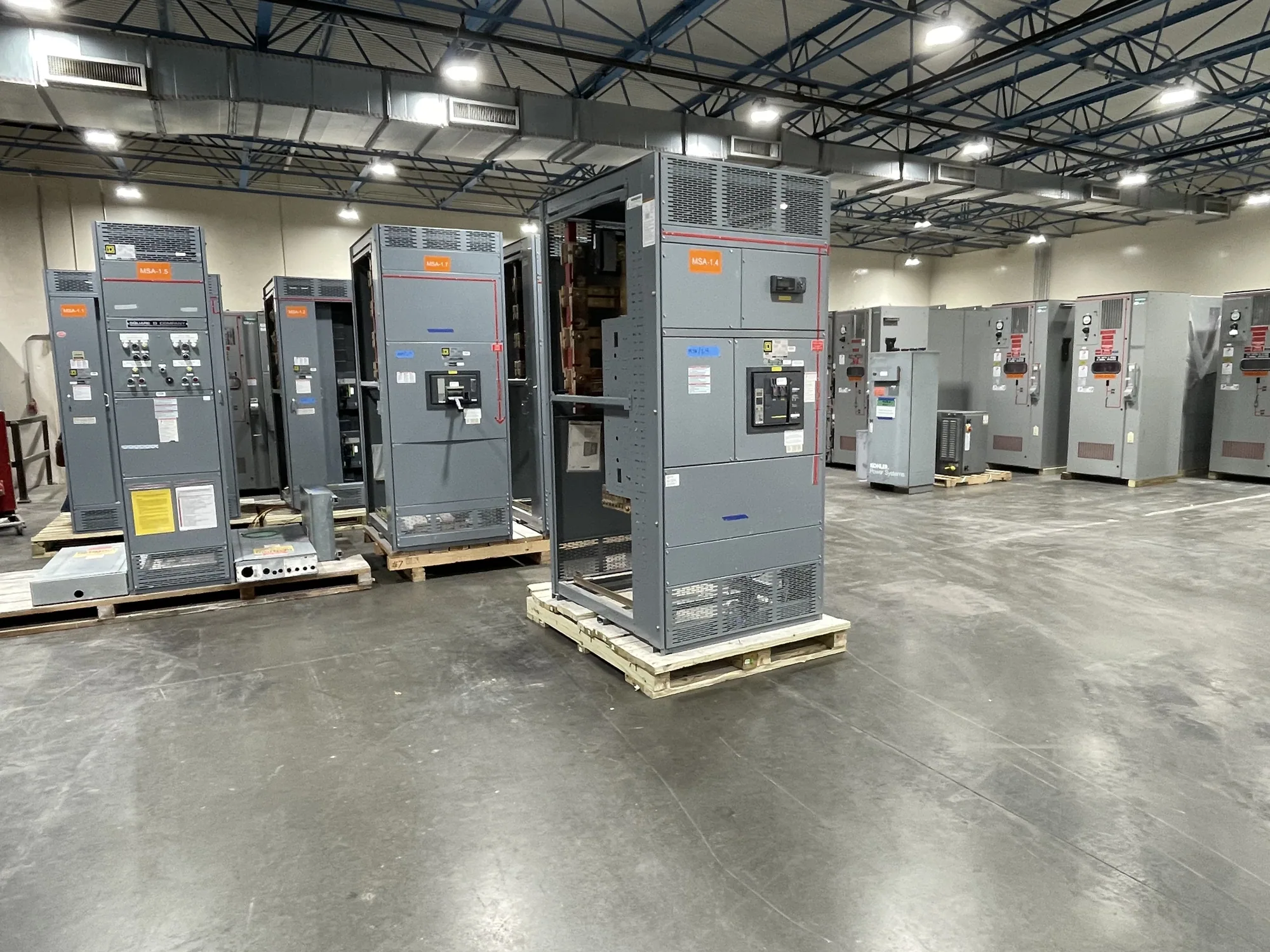
When an estimate is possible without a one-line
Yes, a manufacturer may be able to prepare a preliminary switchgear budget without a one-line diagram. The estimate is only as dependable as the information provided, however. A broad description such as “480 V switchgear for a commercial building” leaves major scope questions open, including equipment type, incoming source, feeder count, protective devices, and required ratings.
Without a diagram, the supplier may be able to price a defined equipment concept or a range of configurations, rather than a fully verified assembly. This can help with early budgeting while an engineer develops the electrical design. It is not the same as a binding quote for equipment that has been checked against the project’s complete requirements.
Why the one-line diagram changes the scope
A one-line diagram communicates how sources, buses, breakers, transformers, and outgoing circuits relate. It helps clarify whether the request is for a low-voltage switchboard, switchgear, or another arrangement, and what the equipment must connect to. Those distinctions affect the lineup and its component selection, so they can materially change the price.
Other design details may be absent from an early description: system voltage class, available fault-current information, continuous-current requirements, interrupting or withstand requirements, metering, control features, enclosure conditions, and space or cable-entry constraints. The responsible engineer must establish applicable values and design intent. A manufacturer should not assume ratings or topology simply to make an estimate appear precise.
What makes an early budget useful
State what is known and label what remains provisional. Provide the project location, requested equipment category, system voltage, known source arrangement, approximate number of sections or feeders, and any preliminary rating information approved by the project engineer. Include the intended application, indoor or outdoor conditions if established, and whether the request covers equipment only or other defined scope.
Ask the manufacturer to identify assumptions, exclusions, and unresolved questions alongside the budget figure. For example, the estimate might depend on a stated feeder count or exclude accessories that have not yet been specified. A clearly qualified estimate is more useful than a single number presented without its basis, because the design team can see what decisions could change the amount.
Illustrative scenario: an early 480 V request
Suppose a project team requests a budget for a new 480 V class lineup but has not completed its one-line. It can share the intended application, preliminary source concept, expected feeder count, and known space constraints. The manufacturer can discuss a preliminary configuration based on those inputs, while marking unverified ratings, breaker details, metering, and enclosure requirements as open items.
If later engineering shows a different source arrangement, additional feeders, or more demanding ratings, the original budget may no longer represent the required equipment. That is not necessarily a pricing error; it reflects a changed or newly clarified scope. The project team should update the request when design information becomes available and have the responsible engineer verify the proposed configuration before treating it as suitable.
Common misunderstandings about price certainty
A preliminary price is not a substitute for engineering review, and providing a one-line alone does not automatically resolve every question. The drawing may be preliminary, omit project specifications, or leave environmental and interface details undefined. The supplier needs to know which documents are current and which requirements govern if drawings and written specifications differ.
Likewise, “reliable” does not mean guaranteed regardless of later revisions. Equipment configuration, listing applicability, testing, ratings, availability, and delivery timing must be confirmed against the actual specification and supplied design. UL 891 may apply to eligible low-voltage switchboards, but applicability and assembly listing must be verified for the specific design; it is not a blanket designation for all switchgear.
What to send and what to ask next
Before requesting a more complete quotation, gather the latest one-line if available, project specifications, equipment schedules, known electrical ratings, feeder and device information, physical constraints, and required submittal expectations. Identify the engineer responsible for unresolved design decisions and state the target decision or procurement date. If a diagram is not ready, send the available information and clearly mark assumptions rather than filling gaps with guesses.
Ask which missing inputs prevent the supplier from confirming configuration, what exclusions remain, and what changes would require repricing. Also confirm whether the requested scope includes engineering coordination, documentation, or other deliverables, and whether proposed dates and availability can be supported for the specific order. Actual lead times depend on the order and must be confirmed; avoid planning around an unverified schedule.
From budget discussion to confirmed scope
A practical sequence is to use available project data for an explicitly preliminary budget, complete the electrical design, then submit the current documents for configuration and scope review. Resolve discrepancies before approval, and have qualified personnel handle installation, testing, and maintenance under applicable safety procedures. This keeps a useful early estimate from being mistaken for final equipment selection.
South Carolina Switchgear Builders manufactures new equipment to specification, including custom configurations, and ships nationwide. To start a pricing discussion, provide the documents and known project facts you have; the manufacturer can identify what is still needed to assess the request. Confirm final ratings, design details, availability, and delivery timing against the actual project before making a purchasing commitment.