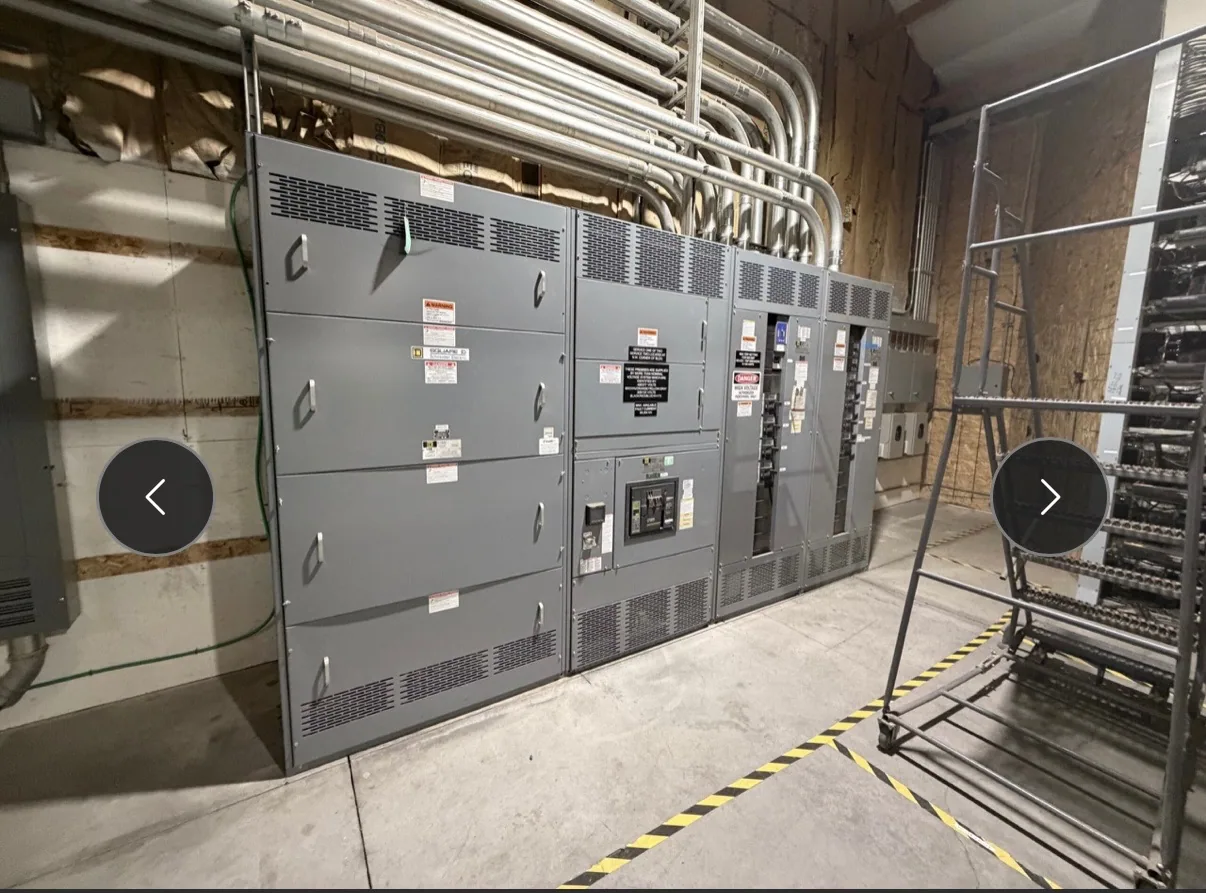
There is no universal answer
Switchgear fabrication does not have to be performed entirely inside the switchgear manufacturer’s facility. The better question is whether the manufacturer controls the design, materials, processes, interfaces, and verification needed for the specified assembly. Some manufacturers perform enclosure work in-house; others use qualified outside fabricators for defined tasks. Either arrangement can work when scope and accountability are clear.
For a buyer, the relevant outcome is new equipment that matches the project documents and is built under a controlled process. A claim of in-house fabrication, by itself, does not establish quality, suitability, or schedule. Likewise, outside fabrication does not automatically mean weak control. Assess the actual workflow, records, inspection points, and responsibility for resolving discrepancies before selecting a supplier.
What “fabrication” includes
Ask what the manufacturer means by fabrication. The term may refer to enclosure design and construction, metal cutting and forming, finishing, compartment layout, or assembly-related work. It is distinct from engineering the electrical arrangement, selecting components, wiring, inspection, and testing. A supplier should identify which activities it performs and which it assigns to other organizations, rather than leaving the scope implied.
Enclosure details affect equipment fit and project interfaces. Dimensions, access, mounting, cable entry, environmental conditions, and arrangement of sections may all need to match the approved design and site requirements. The responsible project engineer and manufacturer should confirm applicable details for the specific equipment. A fabrication partner needs controlled drawings and revision information; a change to a cutout or dimension can affect installation even if it appears minor.
Compare control, not just location
When work is in-house, communication between engineering, fabrication, and assembly may be direct. That can make drawing clarification and revision control easier, but only if responsibilities and approval steps are documented. Ask how the manufacturer prevents work from proceeding against obsolete drawings, records material identity where required, and inspects completed work. Physical proximity is not a substitute for defined acceptance criteria or records.
With outside fabrication, examine how the manufacturer qualifies and manages the fabricator. Useful questions include who releases the drawings, how revisions are transmitted, what inspections occur, how nonconforming work is contained, and who approves corrections. Confirm that the switchgear manufacturer remains accountable for integrating the fabricated parts into the supplied equipment. Buyers should understand any division of scope without being asked to manage the supplier’s production chain themselves.
Traceability and interface management
Traceability means being able to connect the requirements and approved design to the materials, work steps, inspections, and final equipment records that apply to the order. The level of documentation depends on the project specification. Ask which records are available, how the supplier identifies the governing drawing revision, and how deviations are reviewed and approved. Do not assume that a broad quality statement guarantees a particular document package.
Interface control deserves equal attention. A fabricated enclosure must coordinate with the equipment arrangement and the site’s installation needs. Provide the manufacturer with project drawings, equipment specifications, cable and conduit entry requirements, room constraints, environmental information, and relevant coordination documents. The project team should identify who resolves conflicts between architectural, structural, electrical, and equipment drawings before fabrication begins.
Consider a practical example
Suppose a project requires a switchgear lineup with a constrained room layout and a specified cable-entry arrangement. In-house enclosure work might allow the manufacturer’s teams to coordinate dimensions and assembly details directly. An outside fabricator may also meet the requirement if the manufacturer issues controlled drawings, communicates revisions, inspects the work against agreed criteria, and confirms fit during equipment integration.
In either case, a late change to room dimensions or cable routing can create rework. The buyer should ask when approved drawings are needed, what changes require formal review, and how schedule effects are communicated. The manufacturer should confirm whether the proposed configuration can be supplied as specified. No fabrication model can eliminate the need for timely, coordinated project information and documented change control.
Questions to ask before choosing
Ask the manufacturer to describe its fabrication scope and identify any outside processes relevant to the order. Request an explanation of drawing approval, revision control, inspection responsibilities, nonconformance handling, and the records supplied at delivery. Clarify who has authority to approve a design change and how the manufacturer verifies that fabricated components match the released configuration.
Then review the manufacturer’s experience with the product type and project requirements, its engineering and quality-management approach, and its ability to coordinate the full assembly. Discuss availability and delivery dates directly; actual lead times depend on the order and must be confirmed. For US-built equipment with all-American components or custom requirements, confirm that these propositions apply to the specific proposed configuration rather than assuming they do.
Make the decision from the evidence
Use your request for quotation to state the required arrangement, interfaces, documentation, and any project-specific acceptance criteria. Ask for exceptions to be identified before award, not discovered after drawings are released. The right choice is a manufacturer that can explain how its fabrication model controls the work and accepts responsibility for the completed equipment—not simply one that says every step happens in-house.
Before approving the purchase, have the responsible engineer review the equipment specification, drawings, and any proposed deviations. Confirm what inspection or factory acceptance activities are included and what must be coordinated separately. This gives the project team a practical basis for comparing suppliers, protecting interfaces, and moving from an approved design to new switchgear that is ready for the project’s next steps.