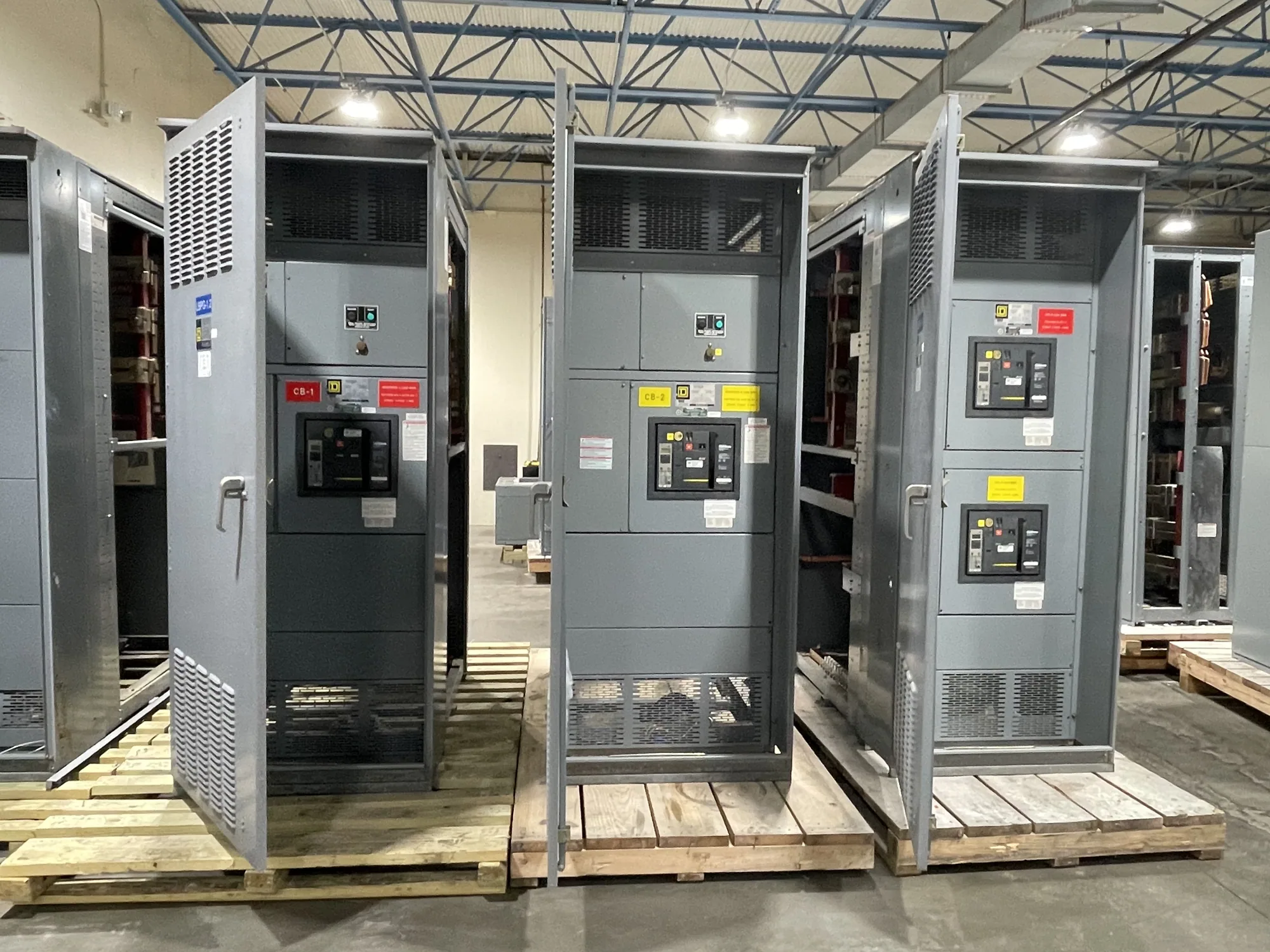
Start with the purchase specification
There is no single document package that applies to every switchgear shipment. The expected records depend on the equipment, purchase agreement, project requirements, and documents already submitted or approved. Before dispatch, compare the order documents with the project’s handover requirements and agree with the manufacturer on what will be provided, in what format, and when.
For new equipment, the package commonly includes shipping and packing records, handling and storage instructions, final equipment drawings, and applicable operation and maintenance information. Other items may be required by contract or project specification. Their availability and applicability must be confirmed for the particular assembly; do not assume that a standard shipment includes every document a site or commissioning team may request.
Shipping and receipt records
A packing list should help the receiving team identify the shipped items and relate them to the order. Depending on how the equipment is packaged and divided for transport, it may identify sections, accessories, or separate packages. The bill of lading or other carrier paperwork records transportation details. Confirm which party supplies each record and whether the receiving site needs copies before the truck arrives.
Ask how the shipment will be identified, including any equipment or package labels that help match delivered sections to the approved lineup and receiving plan. If a shipment is split, clarify which components are traveling separately and how the documentation will show that division. These details reduce confusion at receipt; they do not replace the buyer’s inspection of the delivered equipment and packaging.
Handling and storage instructions
Handling information should be appropriate to the specific equipment and packaging. Confirm the manufacturer’s instructions for lifting, moving, and keeping the equipment protected before installation. Do not infer lifting points, allowable orientation, or storage conditions from a different product or a generic checklist. If the instructions are not included with the shipment, establish how the receiving team will obtain them before unloading or moving the equipment.
Delivery planning should account for the receiving location’s access, unloading resources, indoor storage, and protection from site conditions. The person arranging receipt should know who is responsible for unloading and where the equipment will be placed. Qualified personnel should follow the manufacturer’s instructions and applicable site safety procedures. Keep shipping records and handling guidance available to the people responsible for receipt and storage.
Final drawings and equipment information
Ask which drawings will be supplied as final, and whether they reflect the equipment furnished rather than an earlier submittal revision. Depending on the order, useful final documents may include arrangement drawings, wiring or connection information, and equipment identification details. The exact drawing set is project-specific. Confirm the approved revision, format, and recipients so the installation and engineering teams can work from consistent information.
Operation and maintenance information should correspond to the supplied equipment and identify any applicable product-specific instructions. Ask whether the package includes information for the complete assembly and any relevant components, or whether some documents are provided separately. Do not assume that a generic manual covers every configuration. The responsible project engineer and manufacturer should resolve questions about equipment-specific information before the documents are used for installation or turnover.
Test records and other agreed deliverables
Testing records, certificates, or other compliance documents should be included only when applicable to the equipment and required by the purchase documents. Ask in advance which records are available, what assembly or component they cover, and whether they will accompany the shipment or be sent separately. Verify any claimed rating, listing, or standard against the actual equipment documentation; applicability depends on the specific design and cannot be assumed from a document title alone.
For example, a project team expecting factory test records should identify that requirement in the order and confirm the record’s scope and delivery timing with the manufacturer. A general statement that equipment was tested is not a substitute for a specified report. Likewise, a document for one component does not automatically establish a qualification for the complete assembly. The responsible engineer should determine what evidence the project requires.
Coordinate the document handover
Consider a project where the equipment arrives before the installation team is ready. If handling instructions, final drawings, or receipt records are difficult to locate, site staff may be unable to verify the delivery efficiently or plan storage with confidence. Agreeing on a document index and delivery method beforehand can help: for example, identify which records travel with the shipment and which are transmitted electronically, without assuming either method is universal.
Before dispatch, ask the manufacturer to confirm the document list against the order, the expected issue dates, and the contact responsible for questions. Check whether the receiving team, engineer, and document-control group need different copies or file formats. If any item remains pending, clarify whether it affects shipment, installation planning, or final handover. Keep a record of agreed exceptions rather than relying on informal assumptions.
Questions to settle before delivery
Use a short, project-specific checklist: What packing and carrier records will arrive? How are packages and equipment sections identified? Where are the approved final drawings and applicable manuals? What handling and storage instructions apply? Are specified test or compliance records required, and when will they be provided? Who will receive and distribute the documents, and who will address discrepancies between the order and shipment?
Share the equipment specification, approved submittals, delivery plan, and handover requirements when confirming these items with the manufacturer. That gives both parties a clear basis for identifying what belongs in the package and what remains a separate project deliverable. Confirm availability and timing for each required document; do not assume a particular shipment date or document set until it is agreed for the order. A clear handover plan helps the project team receive the new equipment with the information needed for its next steps.