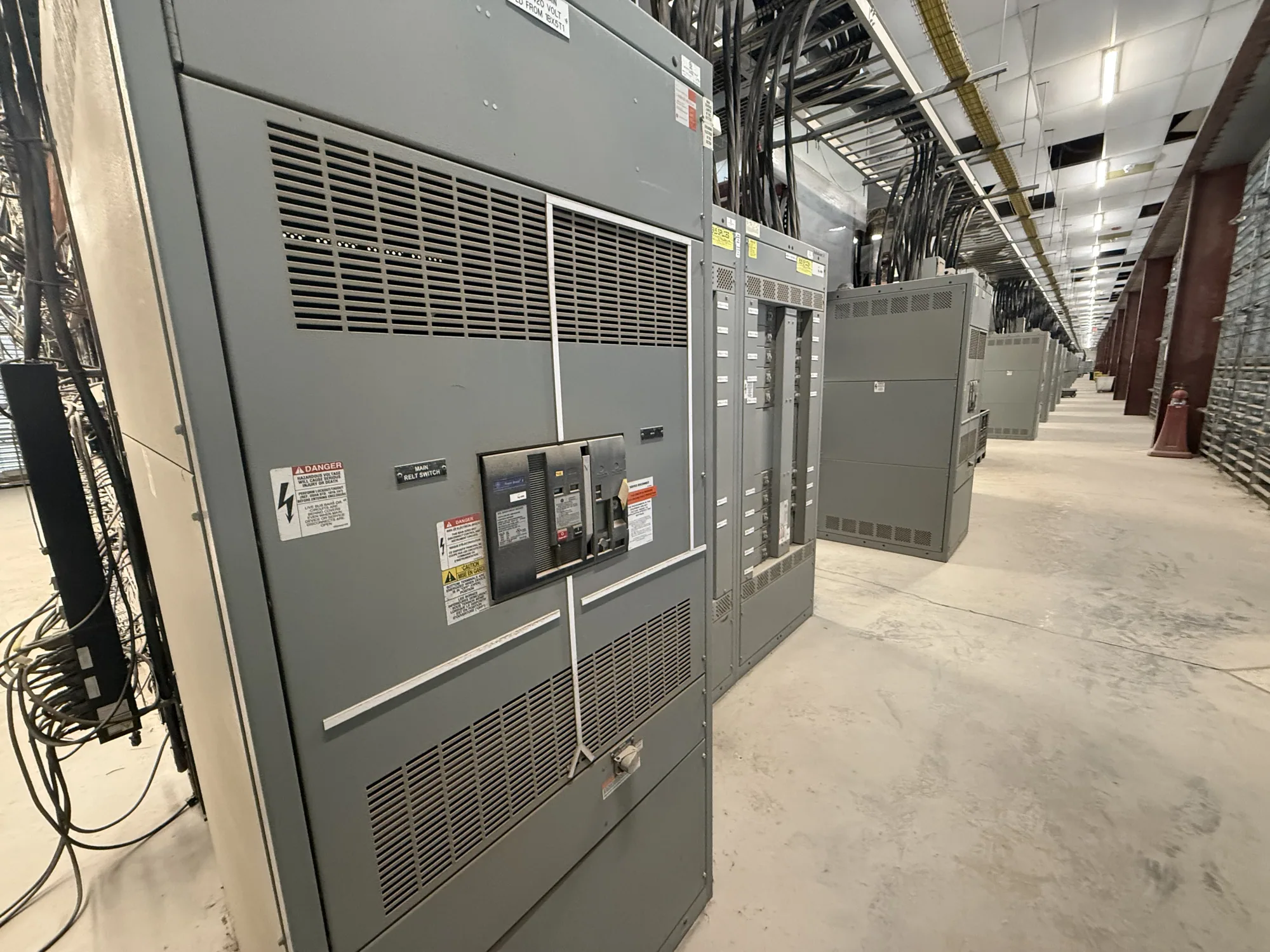
What a NEMA enclosure rating means
A NEMA enclosure rating is more precisely called a NEMA enclosure type designation. It identifies characteristics of an enclosure’s protection as defined by an applicable NEMA standard. Depending on the type, those characteristics can address exposure to conditions such as access to hazardous parts, falling dirt, dust, water, corrosion, or other environmental influences. The designation describes the enclosure, not every performance feature of the equipment inside it.
For electrical distribution, this distinction matters because enclosure suitability depends on the intended installation and the complete equipment design. A switchboard’s enclosure type does not, by itself, establish its electrical ratings, interrupting capability, construction details, listing status, or suitability for a particular site. Those items require their own specifications and confirmation for the actual assembly.
Why the designation matters on a project
The installation environment should guide enclosure selection. An indoor electrical room with controlled conditions presents different exposure questions from an outdoor location, a washdown area, or a space where dust or corrosive substances may be present. The project team should identify realistic conditions rather than choose a type based only on a building label or a general preference for greater protection.
Enclosure design also affects practical considerations such as access, maintenance, heat dissipation, footprint, and how equipment interfaces with the building. The responsible engineer should assess how the selected enclosure and equipment arrangement work together. A more protective enclosure is not automatically the best choice if its design does not suit the environment, operating needs, or other requirements of the project.
Applying the term to a switchboard
Consider a conceptual project calling for a new low-voltage switchboard in a room near a process area. The project team first needs to establish whether the room is exposed to moisture, dust, cleaning practices, or substances that could affect enclosure materials. These are questions to investigate, not assumptions that establish a particular NEMA type. The engineer can then state the required type and any related construction details in the equipment specification.
For a custom-to-specification switchboard, provide the manufacturer with the intended location, environmental conditions, access constraints, and relevant project documents. Also identify the electrical system requirements separately, including the applicable voltage class and other specified ratings. For eligible low-voltage switchboards, UL 891 may be relevant, but applicability and any assembly listing must be confirmed for the specific design. A NEMA enclosure type does not establish UL 891 status.
Common interpretation mistakes
Do not treat a NEMA enclosure type as interchangeable with an IP rating. These are designations developed within different standards frameworks, and a direct one-to-one equivalency should not be assumed. If a project document references both, ask the responsible engineer to clarify which requirements govern and how the equipment is expected to meet them.
Another frequent mistake is to read an enclosure designation as a complete guarantee for every installation condition. The actual result depends on the specified enclosure design, materials, openings, accessories, assembly, and installation details. Do not infer an unprovided rating or assume that a product family has one universal enclosure type. Confirm the designation against the actual offered equipment and project specification.
Information to resolve before ordering
- Where will the equipment be installed, and what moisture, dust, washdown, corrosion, or other exposure is expected?
- Which NEMA enclosure type is required, and what project document or engineering decision establishes it?
- Are access, working space, cable entry, ventilation, or maintenance needs likely to affect the enclosure arrangement?
- Which electrical ratings, construction details, and applicable listing requirements must be confirmed independently?
- Who will review submittals and resolve any differences between the specified enclosure and the proposed design?
Clear answers help the manufacturer evaluate a complete request rather than infer environmental conditions from a short label. If requirements are still under development, identify open questions and have the project engineer resolve them before final equipment approval. Availability and actual lead times depend on the order and must be confirmed; delivery planning should follow the accepted project requirements.
Coordinate specification and delivery
South Carolina Switchgear Builders manufactures new switchboards and other distribution equipment to specification, using US-built equipment and all-American components, with nationwide shipping. For a project inquiry, provide the one-line diagram, equipment schedule, enclosure requirement, installation conditions, and applicable project documents when available. The team can review the requested configuration and confirm design details, availability, and delivery timing against the actual order.
A precise enclosure requirement is one part of a sound equipment specification, not a substitute for the full electrical design. Confirm the NEMA type, environmental assumptions, electrical ratings, and required documentation with the responsible engineer and equipment supplier. That coordination gives the project team a clear basis for reviewing the proposed new switchboard before approving it for manufacture and scheduling delivery.