Start with the facility’s operating plan
A warehouse or logistics facility may combine lighting, HVAC, office loads, conveyors, sortation, refrigeration, vehicle charging and automated material handling. Those loads do not necessarily operate at full demand at the same time, and planned operating schedules can change as equipment or shifts change. The distribution design should therefore begin with the facility’s actual load information and operating assumptions, not a generic warehouse profile.
For a new project, gather the one-line diagram, service and system data, connected-load schedules, major equipment requirements and expected operating patterns. Identify which loads are essential to operations, which may be added later and what expansion phases are being considered. The responsible engineer can use this information to evaluate capacity, protection and coordination for the specific system.
Plan feeders for conveyors, charging and automation
Conveyors and sortation systems can involve distributed motors, controls and process equipment. Vehicle charging introduces another load whose magnitude and schedule depend on the charger selection, fleet size, charging strategy and operating window. Future automation may add equipment or alter when existing loads run. Provide anticipated charging quantities and operating assumptions as planning inputs, and have the project engineer confirm their effect on the electrical design.
Feeder arrangements can be considered for operating zones, process areas or planned phases, but a more segmented layout is not automatically better. Additional feeders and distribution points may support separation or staged construction while also affecting space, equipment quantity, protection, cabling and maintenance planning. Discuss which loads should share distribution and which may require distinct circuits or future provisions before the arrangement is fixed.
Choose equipment by function and system voltage
Medium-voltage switchgear may be considered where the facility’s electrical system and service arrangement call for medium-voltage distribution. Its suitability depends on the project voltage, system data, equipment duties and specified configuration. A low-voltage switchboard can serve a different distribution role, such as distributing power downstream, but switchboards and medium-voltage switchgear are not interchangeable categories. Confirm the intended equipment function and voltage class with the responsible engineer.
Equipment selection also depends on the actual specification, including protective devices, enclosure and access requirements, connection arrangements, metering needs and the available installation space. A manufacturer can develop new equipment to specification, but the project team must define the requirements and verify that the proposed design addresses them. Listing, testing, ratings and standards applicability should be confirmed for the specific assembly rather than assumed from a product category.
Relate continuous-current ratings to real conditions
Continuous-current rating is one part of a coordinated design. Compare expected normal load current with the ratings specified for the bus and individual devices; do not treat a single equipment rating as proof that every component or feeder is suitable. The project’s load calculations, protection design and equipment documentation determine what values apply. Continuous operation, anticipated peaks and operating schedules should be described accurately.
Conditions around the equipment can also matter. The responsible engineer should evaluate the specified ambient temperature, installation environment, enclosure and other conditions that could affect applicable ratings or require design adjustments. Ask how any derating assumptions are established for the actual assembly. Neither a warehouse label nor a general rule can substitute for review of the equipment specification and site conditions.
Make expansion a defined design decision
Planning for expansion means identifying what may grow and when, rather than simply requesting “extra capacity.” Potential changes could include additional conveyor lines, charging equipment, automation or a new operating area. For each possibility, provide estimated loads and timing where known, and distinguish firm requirements from options. The engineer can then assess whether the proposed arrangement should include defined future feeders or other provisions.
Staged work also requires coordination beyond the equipment itself. Confirm available electrical-room space, cable routes, access, project sequence and interfaces with the service, transformers and downstream distribution. Any expansion plan should be reviewed for effects on protection, system capacity and installation procedures. Installation, testing and maintenance must be handled by qualified personnel following applicable safety procedures; no expansion plan should depend on energized work.
Prepare a useful equipment inquiry
Before requesting a proposal, assemble the project location, required equipment type and voltage class, one-line diagram, available fault and system information, load schedules and the ratings requested by the engineer. Include enclosure and environmental conditions, protective-device requirements, metering, connection details and any applicable project specifications. Mark unresolved items clearly so they can be confirmed rather than silently assumed during equipment development.
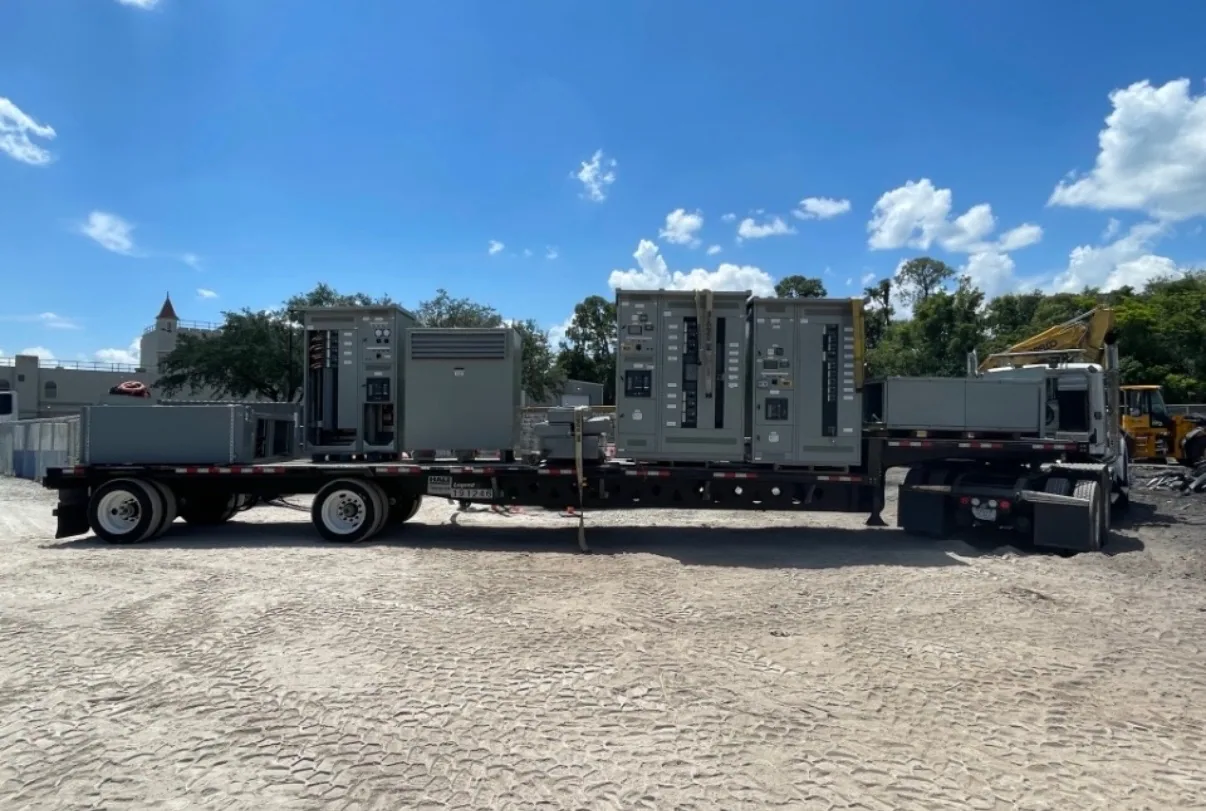
Owners, engineers and purchasing teams should align on who approves technical deviations, who supplies interface data and how drawing review fits the project schedule. Ask the manufacturer to confirm configuration, availability and delivery timing against the completed specification; actual lead times depend on the order. South Carolina Switchgear Builders manufactures new equipment in the United States, uses all-American components and ships nationwide. Discuss the project requirements early so equipment scope and coordination can be addressed before procurement decisions are finalized.