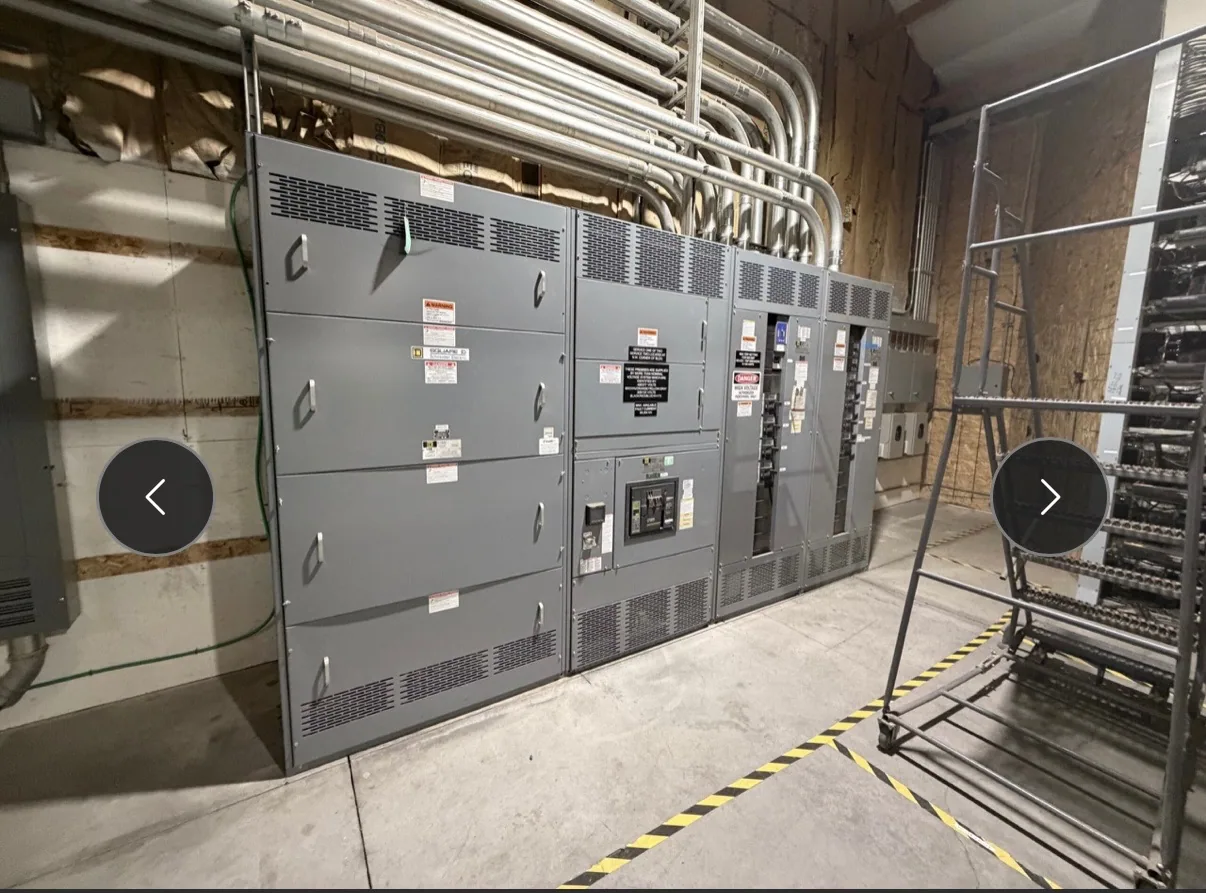
Start with the project, not the location label — Switchgear Planning for Beaufort, South Carolina
Commercial and institutional projects in Beaufort, South Carolina may involve coastal exposure, phased construction, or equipment rooms with limited access. Those are planning possibilities, not assumptions about a particular site. Define the building’s actual electrical scope first: new service equipment, a replacement within a permitted project, or distribution for an addition can each require a different configuration.
South Carolina Switchgear Builders manufactures new equipment to specification and ships nationwide. For a Beaufort-area project, the useful first step is to align the equipment request with the electrical engineer’s documents and the project schedule. A city name alone does not establish service conditions, utility requirements, enclosure selection, equipment ratings, or delivery needs; those must be confirmed for the actual installation.
Verify site conditions and enclosure requirements
Before specifying an enclosure, confirm where the equipment will be installed and what it may encounter. The project team should establish actual site elevation, whether placement is indoors or outdoors, exposure to wind-driven rain or salt-bearing air, drainage and flood considerations, ventilation, and maintenance access. Do not infer elevation or flood exposure from a Beaufort mailing address; use project-specific site information.
Ask the responsible engineer to define the enclosure type and any applicable NEMA or other requirements for the installation. Environmental exposure, room construction, penetrations, and equipment placement can affect the appropriate design. A higher protection level may not resolve poor drainage or inaccessible placement, while a less demanding indoor location may not need an outdoor enclosure. Confirm the complete requirement rather than selecting a rating by geography alone.
Choose the equipment class and distribution approach
Identify whether the project calls for low-voltage switchgear, medium-voltage switchgear, or an electrical switchboard. These terms describe different equipment and should not be treated as interchangeable. A 480 V class assembly is low voltage; 5 kV and 15 kV class equipment are medium voltage. The engineer’s one-line diagram and equipment schedule should establish the intended class and system arrangement.
For a commercial campus, a hypothetical design might use a switchboard for a defined low-voltage distribution role, while other portions of the system call for different equipment. The right choice depends on the service arrangement, feeder organization, protection and metering needs, available space, and coordination with upstream and downstream devices. Ask the engineer to identify required functions and interfaces rather than choosing from a product name alone.
Balance access, phasing, and future work
Construction sequence can affect equipment dimensions, shipping sections, access routes, and the order in which information must be approved. Share room plans, door and corridor clearances, installation constraints, and any lifting or staging limitations early. Confirm how the equipment will reach its final location and whether the project can accommodate its specified arrangement before the building envelope or adjacent systems restrict access.
Phased construction may require separate delivery or installation coordination, but do not assume a particular assembly can be divided without design review. Ask the project engineer and manufacturer to confirm section layout, field connections, interfaces, and the information needed before fabrication. If future capacity or expansion is a requirement, define it explicitly and have its effect on space, protection, and configuration reviewed.
Prepare a useful quotation request
A complete request should include the current one-line diagram, equipment schedule, applicable specifications, system voltage, required functions, and the project’s stated ratings. Add indoor or outdoor placement, enclosure requirements, site conditions, dimensional constraints, cable entry preferences, and any required control or metering interfaces. Identify the equipment class clearly and note which details remain subject to engineering confirmation.
Include the project location, requested delivery window, receiving constraints, and construction milestones. Provide the responsible engineer’s contact for technical questions and identify who will approve drawings. If a listing, testing, or standards requirement applies, state it in the specification so applicability can be checked against the proposed assembly. UL 891 applies to eligible low-voltage switchboards; confirm whether it applies to the specific design and assembly.
Coordinate approvals, availability, and delivery
Review submittal responsibilities and approval timing with the project team before treating a requested date as achievable. Availability and actual lead times depend on the order and must be confirmed. South Carolina Switchgear Builders can discuss custom-to-specification equipment, US-built construction, all-American components, and nationwide shipping; the order-specific configuration and schedule still require confirmation.
Before release, reconcile approved drawings with the project documents, including equipment arrangement, connections, ratings, and site conditions. Confirm shipping destination, receiving hours, unloading responsibility, and the route from delivery point to installation location. Delivery planning is especially useful where construction is phased or access changes over time, but no date or handling arrangement should be assumed without agreement.
Make the next step specific
For a Beaufort project, organize the request around verified site facts rather than broad coastal assumptions. Gather the engineer’s current documents, confirm enclosure and equipment requirements, explain access and phasing, and list open design questions. That gives the manufacturer a clearer basis to review scope and identify information still needed for a proposal.
Once the project team has agreed on the specification and schedule assumptions, request a quotation for the new equipment and coordinate technical review with the responsible engineer. Confirm configuration, availability, delivery dates, applicable listing or testing, and any standards against the actual order. Installation, testing, and maintenance should be handled by qualified personnel using applicable safety procedures.