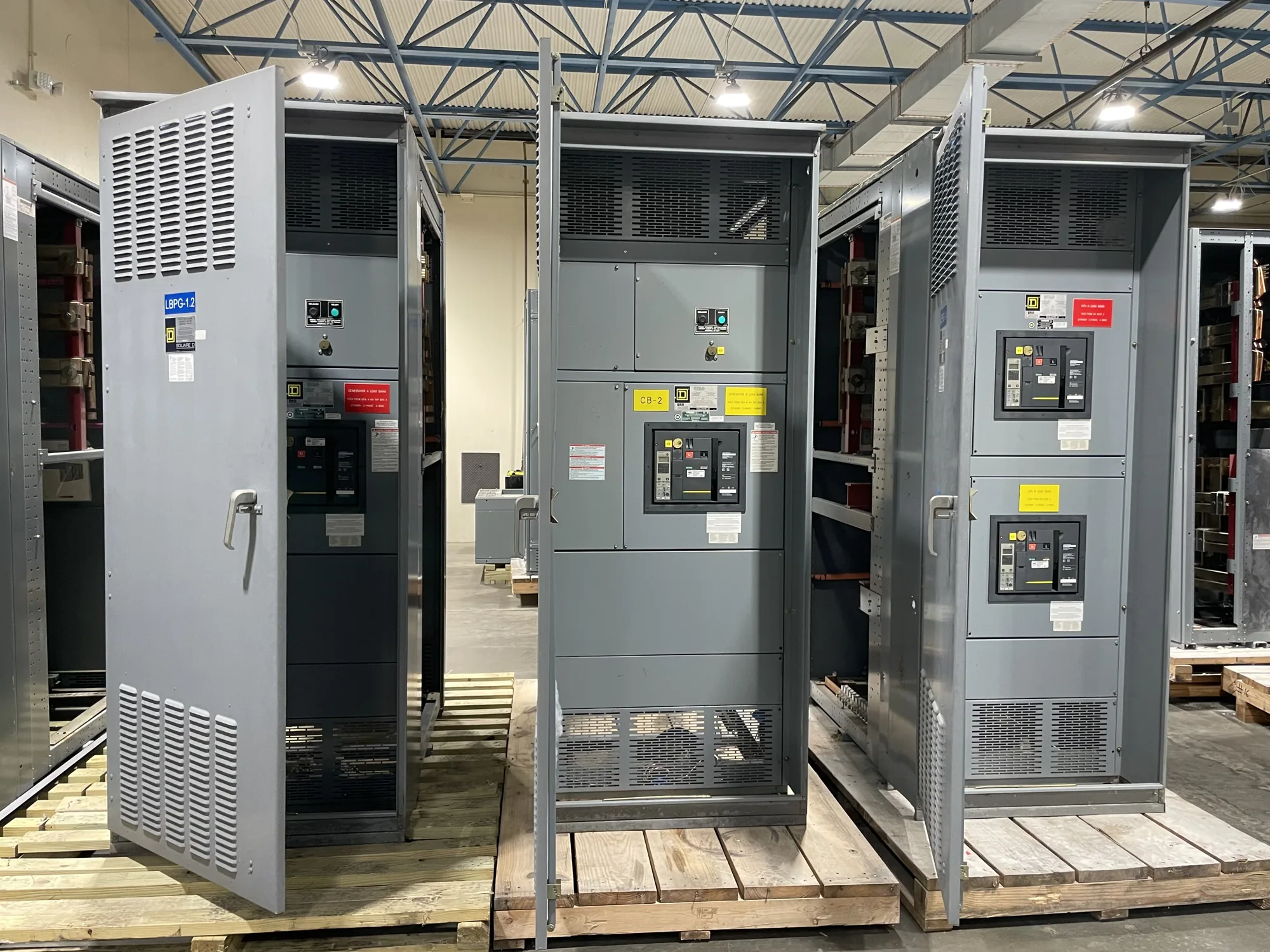
What an arc-resistant rating does—and does not—mean
Arc-resistant switchgear is designed and evaluated for specified conditions that can help direct the effects of an internal arcing fault away from designated accessible areas. The rating applies to a particular equipment design and configuration, not to every lineup or installation that uses similar components. For a new equipment project, confirm the applicable tested design, its stated accessibility classification, and the conditions required for that design to perform as intended.
This feature does not prevent an arc fault, make equipment risk-free, or replace an arc-flash study. Incident energy and other hazard information depend on the electrical system and operating conditions evaluated by the responsible engineer. Workers still need appropriate boundaries, procedures, protective equipment, training, and task planning. Treat arc-resistant construction as an equipment design option within a broader safety program, not as permission to approach energized equipment without the required precautions.
Connect the equipment specification to the study
A qualified engineer should evaluate the actual system, including available fault current, protective-device settings and clearing times, equipment arrangement, and operating scenarios. The analysis should identify the assumptions and system configuration used; changes to sources, transformers, conductors, protection, or operating modes can affect the result. Do not infer incident energy, a safe working distance, or a required protective approach from the switchgear’s arc-resistant designation alone.
Share the study’s relevant design inputs with the equipment manufacturer and ask how the proposed lineup aligns with them. Confirm voltage class, system configuration, main and feeder arrangement, protective-device details, and any specified arc-resistant performance or accessibility requirements. If the study is still underway, identify what remains provisional and establish who will resolve those inputs before design approval. Equipment documents and study documents should use consistent assumptions rather than leaving a critical interface implicit.
Installation configuration and tested limits
Arc-resistant performance is tied to the applicable tested design and its installation requirements. The responsible project team should verify whether the proposed arrangement, lineup extent, adjacent sections, access points, and intended operating locations fall within those limits. Ask what clearances, room arrangement, exhaust path, plenum, ductwork, or other provisions the specific design requires, if any. These details are design-dependent and must be confirmed from the actual equipment documentation.
Site conditions can influence whether the specified arrangement is practical. Room dimensions, ceiling height, wall locations, ventilation, environmental conditions, cable entry, and access for installation may affect layout or required options. Do not assume a lineup can be relocated, enclosed, modified, or installed in a different orientation without review. Resolve site and equipment interfaces during design coordination, before civil, architectural, and electrical plans are finalized.
Work practices remain essential
An arc-flash safety program addresses tasks and operating conditions, not just equipment selection. Qualified personnel should follow the employer’s applicable safety procedures for risk assessment, establishing boundaries, selecting protective equipment, controlling access, and determining whether work can be performed de-energized. Energized work should never be treated as routine or recommended on the basis of an arc-resistant feature. Inspection, testing, commissioning, and maintenance belong to qualified personnel using applicable procedures.
Review how doors, covers, controls, and operating mechanisms are intended to be used, and distinguish normal operation from inspection or maintenance activities. Ask the project engineer and safety program owner to identify tasks that may expose personnel to hazards and how those tasks are managed. A design feature may affect exposure in specified circumstances, but it does not replace task-specific hazard evaluation or establish safe work conditions by itself.
Illustrative manufacturing scenario and trade-offs
Consider an automotive manufacturing facility planning a new switchgear lineup. The system values, fault levels, room dimensions, operating modes, and protective-device settings are unknown at the outset. The team should not select a configuration based on assumed incident energy or presume that arc-resistant construction will suit every lineup position. A qualified engineer can assess the system and identify the relevant study conditions; the manufacturer can then review the specified equipment arrangement and applicable design limits.
The project may need to balance the requested accessibility, physical room constraints, cable routing, maintainability, and coordination with upstream and downstream equipment. Some options can affect footprint, installation interfaces, or the scope of supporting construction. No single trade-off can be resolved without the actual design and site information. Record open questions, assign them to the responsible engineer or equipment supplier, and document the approved assumptions before releasing the lineup for manufacture.
Information to provide and questions to resolve
- Provide the one-line diagram, nominal system voltage, grounding approach, source and transformer information, and available fault-current data when established.
- Share the arc-flash study status, relevant operating scenarios, protective-device settings, and any specified incident-energy or accessibility criteria. Identify values that remain preliminary.
- Describe lineup sections, mains and feeders, metering and control needs, incoming and outgoing cable arrangements, and the intended installation orientation.
- Provide room drawings, clearances, ceiling and wall conditions, environmental information, and known ductwork or ventilation constraints.
- Ask which tested design applies, what installation conditions it requires, what configurations or access points are excluded, and what project documents must be reviewed together.
For a new equipment quotation and submittal review, make the required arc-resistant performance explicit and provide the study and site information available at that stage. Confirm the specific design, availability, delivery timing, ratings, and documentation against the final specification; these details depend on the order and configuration. Coordinating engineering assumptions, work practices, and installation requirements early gives the project team a clearer basis for selecting equipment without overstating what its arc-resistant design can do.