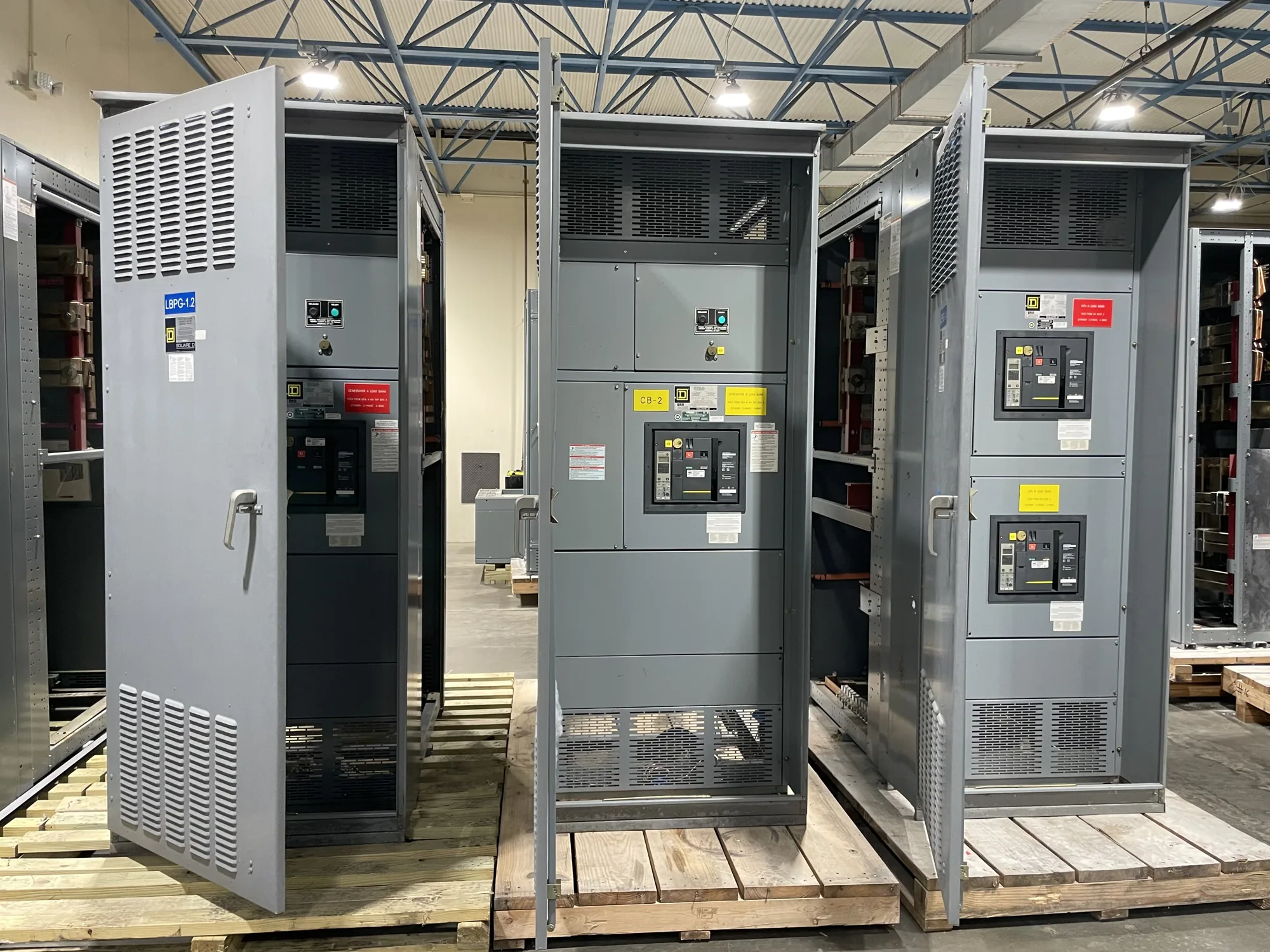
What an arc-resistant designation means
Arc-resistant switchgear is equipment designed and evaluated for a defined arc-resistant performance under specified conditions. The designation belongs to an applicable tested design, not to switchgear as a broad product category. A buyer should therefore request the exact construction and evidence supporting the proposed designation, then confirm that the project’s arrangement stays within its stated limits.
Scope matters. Voltage class, enclosure arrangement, access conditions, exhaust or pressure-relief provisions, and installation orientation may affect whether a particular design applies. Do not assume that changing a lineup, adding a compartment, or choosing a different access configuration preserves the evaluated performance. The responsible engineer and manufacturer should review the complete equipment specification together.
Match voltage and system configuration
Start with the project’s nominal system voltage and the equipment maximum voltage required by the design. A 480 V class system is low voltage; 5 kV and 15 kV class equipment is medium voltage. These are distinct equipment categories, and a specification should identify the intended class rather than use “switchgear” as if it named one universal construction. Confirm system grounding, frequency, phase arrangement, and other applicable system conditions with the project engineer.
Voltage alone is not a complete selection. Provide available fault-current information and the protective-device requirements established for the project, so the engineer can specify suitable equipment ratings and coordination. Insulation requirements and the equipment’s system configuration also need review. Do not infer a rating from a voltage label or assume that an arc-resistant designation establishes every interrupting, withstand, or protection capability.
Review current, loading, and operating conditions
Normal load current helps define bus and device current ratings, but expected operating conditions matter too. Ask the responsible engineer to account for load profiles, ambient and enclosure conditions, ventilation, temperature rise, and any applicable derating. Future capacity may affect the lineup and bus requirements; it should be stated as a design need rather than treated as spare capacity that comes automatically with an arc-resistant option.
In a production facility, for example, motor loads may start or operate in patterns that differ from steady building loads. A planned production-line expansion could change feeder quantities, protective-device selections, and continuous loading. Describe current and anticipated loads, operating sequence, and expansion assumptions. The engineer can then determine how the electrical design, switching arrangement, and selected equipment ratings should address those conditions.
Confirm accessibility and installation limits
Accessibility is a key decision, not a label to select casually. Identify which doors or compartments operators may access during normal operation, what work is expected, and the access conditions required by the project specification. The applicable arc-resistant design may define specific boundaries and configurations. Have the manufacturer identify the tested arrangement and have the responsible engineer confirm that it suits the intended operating practices.
Room layout and installation details should be reviewed early. Provide available floor space, equipment orientation, cable entry and exit preferences, ceiling or overhead constraints, and any relevant wall or duct interface information. Ask whether the proposed construction and pressure-relief path can be accommodated in the actual installation. Site drawings and equipment drawings should be coordinated before release; field changes may affect both fit and the design basis.
Weigh benefits against project constraints
An arc-resistant specification should answer a defined project need. Compare the required accessibility, installation arrangement, operating practices, and evidence for the applicable design with the available room and connection constraints. A designation does not remove the need for protection coordination, safe work procedures, qualified personnel, or project-specific review. Confirm what the specified equipment does—and does not—cover before treating it as a substitute for other safety measures.
Also consider maintainability and lifecycle plans. Ask how normal switching, inspection access, cable termination, and replacement of devices fit the selected lineup. If outdoor installation is being considered, specify the environment and enclosure requirements separately; an indoor design should not be presumed suitable outdoors. Options, ratings, testing, and listing applicability depend on the actual assembly and must be confirmed for the offered configuration.
Prepare a useful equipment inquiry
A clear request for quotation should include the one-line diagram, nominal voltage, system configuration, available fault-current data, required equipment and device ratings, load schedule, and applicable project specifications. State the required arc-resistant performance and the access conditions that matter. Include room drawings, cable-entry details, environmental conditions, and expansion plans where known. Mark unresolved items so the engineer and supplier can identify decisions rather than guess at requirements.
South Carolina Switchgear Builders manufactures new switchgear and switchboards to specification, with US-built equipment, all-American components, short lead times, and nationwide shipping. These are general offering characteristics, not a guarantee of a particular configuration or delivery date. Ask the manufacturer to confirm design fit, availability, schedule, ratings, testing, and any listing against the complete project requirements.
Coordinate responsibilities through release
The owner establishes operational needs and site constraints; the engineer defines the electrical design and verifies its suitability; the contractor coordinates installation, connections, and field conditions. The manufacturer uses the approved requirements to develop the equipment configuration and submittal information. Agree on who reviews drawings, resolves exceptions, and approves changes before manufacturing release to reduce avoidable differences between the specified lineup and the installation.
Installation, testing, operation, and maintenance must be performed by qualified personnel under applicable safety procedures. Before placing an order, resolve open technical questions and confirm that the proposed equipment matches the project’s voltage class, ratings, installation arrangement, and required arc-resistant design evidence. This disciplined review helps make the purchase decision specific, verifiable, and practical for the facility.