Define the healthcare distribution scope
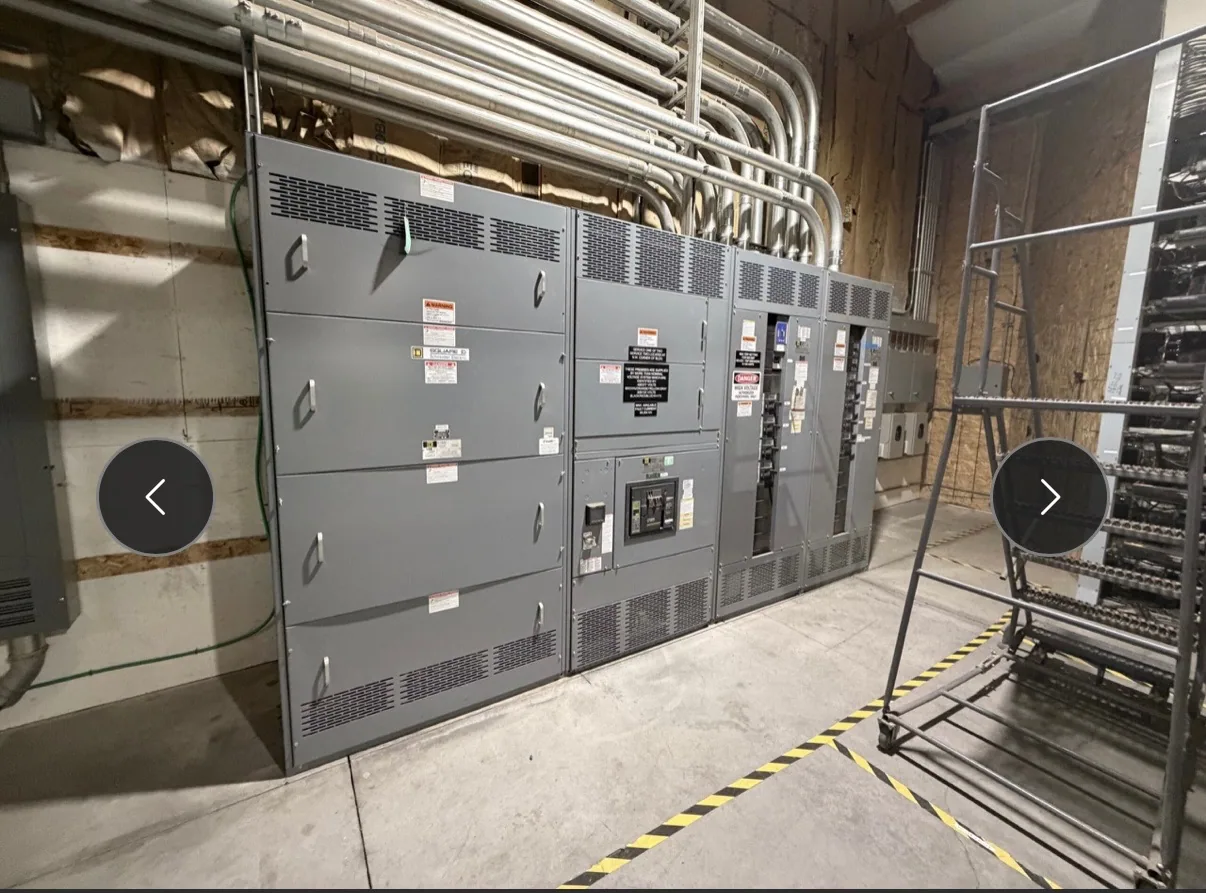
Hospital electrical projects may involve clinical areas, imaging equipment, laboratories, support spaces and building services, each with different power requirements. Low-voltage switchgear can serve as a central distribution assembly with protective devices, but its role depends on the project’s one-line diagram and system design. Begin by identifying what the assembly must supply, where it connects, and which loads or downstream panels are outside its scope.
Clarify whether the project is new construction, a capacity expansion, a replacement, or a phased renovation. In an existing facility, available electrical-room space, cable routes, access for moving equipment, and permitted outage windows can constrain the design. For new work, room dimensions and coordination with architectural, mechanical and electrical systems still matter. The responsible project team should define these conditions before equipment details are finalized.
Connect the assembly to essential-system requirements
Healthcare projects can have essential electrical systems and multiple power sources, but the switchgear’s arrangement should follow the engineered design rather than assumptions about a standard hospital package. Provide the one-line diagram and identify normal and alternate sources, transfer equipment interfaces, emergency distribution boundaries, and the loads served by each section. Confirm which devices are supplied as part of the switchgear and which are furnished or engineered separately.
Describe the required operating sequence and any source-transition arrangements that affect the assembly. Questions for the engineer include how sources are isolated, where transfer occurs, what interlocks are required, and how protective devices fit into the overall system. These decisions may affect bus arrangement, compartment layout, control wiring and termination locations. A manufacturer can build equipment to a confirmed specification; the facility’s electrical design and operational procedures remain the responsibility of the project’s qualified design and installation teams.
Verify voltage and fault-duty details
State the nominal system voltage and configuration, including the number of phases and wires where applicable, and provide grounding details from the project documents. Also identify the equipment voltage rating required by the design. Nominal system voltage and equipment maximum voltage are related but distinct specification items; insulation requirements and system configuration should be confirmed by the responsible engineer rather than inferred from a general product description.
Provide available fault-current information at the proposed connection point and the specified interrupting and withstand requirements for the assembly and its protective devices. These values depend on the system and must be coordinated with the project study and design documents. Do not select equipment using an assumed rating or a generic description of hospital service. The project team should confirm that the proposed configuration and ratings match the actual electrical conditions and governing specifications.
Coordinate protection, continuity and maintainability
Protective-device selection affects equipment ratings, feeder protection and coordination with upstream and downstream devices. Where selective coordination is required by the project, the responsible engineer should define the study criteria and provide the applicable time-current information or approved device requirements. The final design should be evaluated as a system; a switchgear quotation alone cannot establish coordination performance or guarantee continuity for clinical operations.
Maintainability also deserves early attention. Review front or rear access needs, cable entry and exit directions, working clearances, lifting and replacement paths, and the space available for future connections if the project calls for them. Continuity planning should address how installation, testing and cutover fit the facility’s approved outage plan. Energized work should not be assumed: installation, testing and maintenance belong to qualified personnel following applicable safety procedures and facility controls.
Resolve layout and interface trade-offs
Compact layouts can help where electrical rooms are constrained, but the complete arrangement must still accommodate specified devices, conductors, terminations and access. Compare the proposed lineup dimensions with verified room drawings and identify obstructions, doors, structural elements, cable trenches and adjacent equipment. Confirm whether incoming and outgoing conductors enter from the top, bottom or another specified direction, and provide connection details before the assembly is released for manufacture.
Review interfaces with generators, transformers, automatic transfer equipment, metering, monitoring and building systems only where they apply to the project. Identify required control power, signals, communications and terminal points, then establish who supplies and connects each interface. For phased work, document which sections are part of each phase and how boundaries are identified. These details reduce ambiguity in a complex facility without assuming a particular operating scheme.
Prepare a complete purchasing package
For a useful equipment review, provide the current one-line diagram, project specifications, equipment schedule, fault-duty information, protective-device requirements and room or lineup drawings. Include the intended application, quantity, source arrangement, connection details, environmental conditions specified by the engineer, and any required submittal information. Note project milestones and requested delivery timing, understanding that availability and actual lead times depend on the order and must be confirmed.
South Carolina Switchgear Builders manufactures new, US-built switchgear and switchboards with all-American components, custom to specification, and ships nationwide. The company’s scope is equipment supply; engineering of the facility system, installation, commissioning, field testing and ongoing maintenance should be assigned to the appropriate project professionals. For eligible low-voltage switchboards, UL 891 applicability and any assembly listing must be confirmed for the specific design; it does not apply to medium-voltage switchgear. Submit the project documents and required configuration for review so scope, ratings, interfaces and schedule can be clarified before an order is placed.