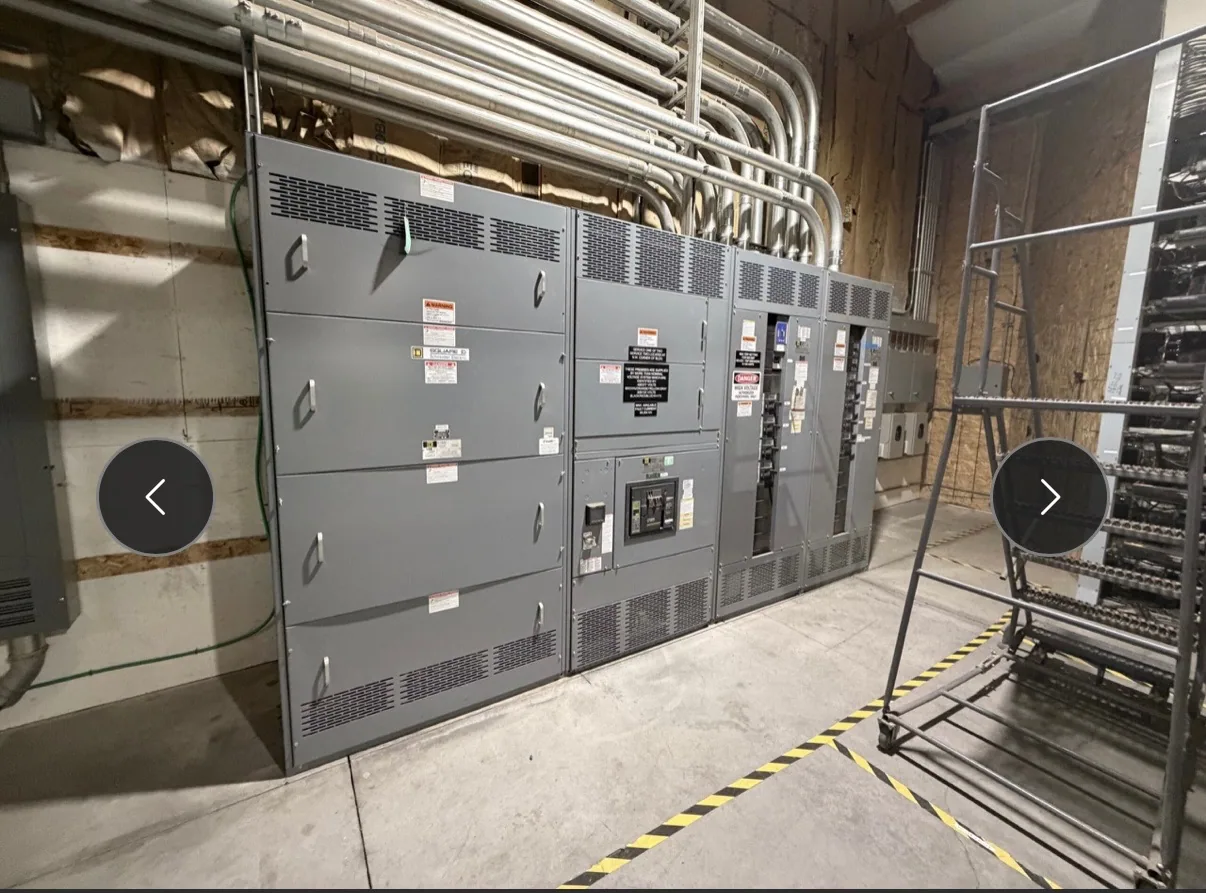
Where metal-enclosed switchgear fits — Metal-Enclosed Switchgear for Water and Wastewater Facilities
Water and wastewater facilities bring together pumps, treatment processes, building services, and control systems that may operate across a broad site. A project might involve a new pumping station, a treatment-plant expansion, replacement of distribution equipment, or a remote installation. Metal-enclosed switchgear can be considered where the electrical design calls for enclosed switching and distribution equipment, but the appropriate construction depends on the specified equipment class and project requirements.
Start by mapping the electrical system rather than assuming that every motor or process load belongs on one lineup. Identify the incoming source, distribution levels, major loads, and connections to motor controls or other equipment. The responsible project engineer should determine where switchgear is appropriate and how it coordinates with transformers, switchboards, motor-control equipment, protective devices, and facility controls. Those boundaries shape the equipment scope and the information needed for a useful manufacturer quotation.
Construction class and operating environment
“Metal-enclosed” describes an enclosure concept, not a complete specification or a guarantee of suitability for every location. The buyer should identify the required equipment class, voltage class, arrangement, and applicable project documents. Indoor and outdoor locations may impose different enclosure and interface requirements. Where exposure to moisture, cleaning chemicals, salt, or other corrosive conditions is present, describe the actual environment so the design team can specify appropriate materials and protective measures rather than relying on a general label.
Access also matters in a working plant. Review the proposed lineup location, approach routes, working clearances, cable entry, door or panel access, and the space needed for qualified personnel to perform authorized work. Consider whether equipment must be moved through existing doorways or installed during a constrained outage. These practical constraints can affect lineup dimensions, compartment arrangement, and cable connections. Confirm site dimensions and handling limits early; do not assume a standard configuration will fit an existing electrical room or remote pad.
Motor loads, switching, and control interfaces
Pumps and other process motors can create operating demands that differ from steady building loads. Provide motor nameplate and starting information, expected operating sequences, simultaneous-start requirements, and any specified drive or starter interfaces. The project engineer should assess starting effects on the electrical system and select switching and protective devices to match the load and system design. A switchgear quotation cannot establish those choices from a list of pump horsepower values alone.
Clarify how the equipment is expected to connect with plant controls, alarms, interlocks, remote indications, and operating procedures. Identify required terminals, communications interfaces, control power, and responsibility for furnishing connecting components. The switchgear manufacturer can define and supply equipment to an agreed specification; facility automation, programming, and integration scope should be assigned explicitly among the project parties. Documenting these interfaces helps avoid gaps between the electrical lineup, motor-control equipment, and supervisory systems.
Voltage and system information to resolve
State the nominal system voltage and configuration, including phase and frequency where specified, along with the equipment voltage class required by the design. Nominal system voltage and equipment maximum voltage are related but are not interchangeable terms. Insulation requirements, grounding method, available fault information, and system configuration should come from the project engineer or governing documents. A buyer should not select equipment by voltage shorthand alone or infer a rating from another facility’s installation.
For a medium-voltage application, provide the specified voltage class, source and load arrangements, grounding details, and protection requirements for review against the actual design. If the project instead calls for low-voltage equipment, clearly identify that scope and distinguish switchgear from a low-voltage switchboard where relevant. Ratings, construction details, listing applicability, and testing must be confirmed for the specific proposed assembly. Provide one-line diagrams and equipment schedules when available so the manufacturer can identify questions and quote to a defined basis.
Grounding, protection, and service access
Grounding and protective-device coordination are project-engineering matters, not details to leave implicit. Share the system grounding approach, protection philosophy, available fault-current information, and any specified coordination or arc-flash study requirements. The responsible engineer should establish device settings and coordination criteria. Confirm which components are included in the manufacturer’s supply and which are specified, furnished, or configured by other parties. No equipment selection should be treated as a substitute for a complete system review.
For an operating water or wastewater site, outage windows and process continuity can be central purchasing considerations. Identify whether installation is part of new construction, a staged expansion, or a planned replacement, and describe any limitations on shutdown duration or temporary connections. The manufacturer can use this context to clarify equipment arrangement and delivery coordination, but installation, commissioning, testing, and maintenance must be assigned to qualified personnel under applicable safety procedures. Confirm field-service responsibilities separately in the project documents.
Prepare a clear purchase scope
A useful request for quotation includes the project location, equipment class and voltage, one-line diagram, load and motor data, environmental conditions, indoor or outdoor requirements, and relevant specifications. Add required lineup arrangement, cable entry and termination details, control and communication interfaces, grounding information, preferred submittal requirements, and target procurement milestones. State known site access, shipping, and outage constraints. Mark unresolved items clearly so assumptions can be reviewed rather than silently embedded in a proposal.
South Carolina Switchgear Builders manufactures new switchgear and switchboards to specification, with US-built equipment, all-American components, and nationwide shipping. Availability and lead time depend on the order and must be confirmed; no delivery date should be assumed before the scope is reviewed. The buyer should also confirm project-specific ratings, listing applicability, testing, and standards against the proposed assembly. A complete, coordinated specification gives the manufacturer a practical basis to identify open questions and develop a quote aligned with the facility’s electrical design.