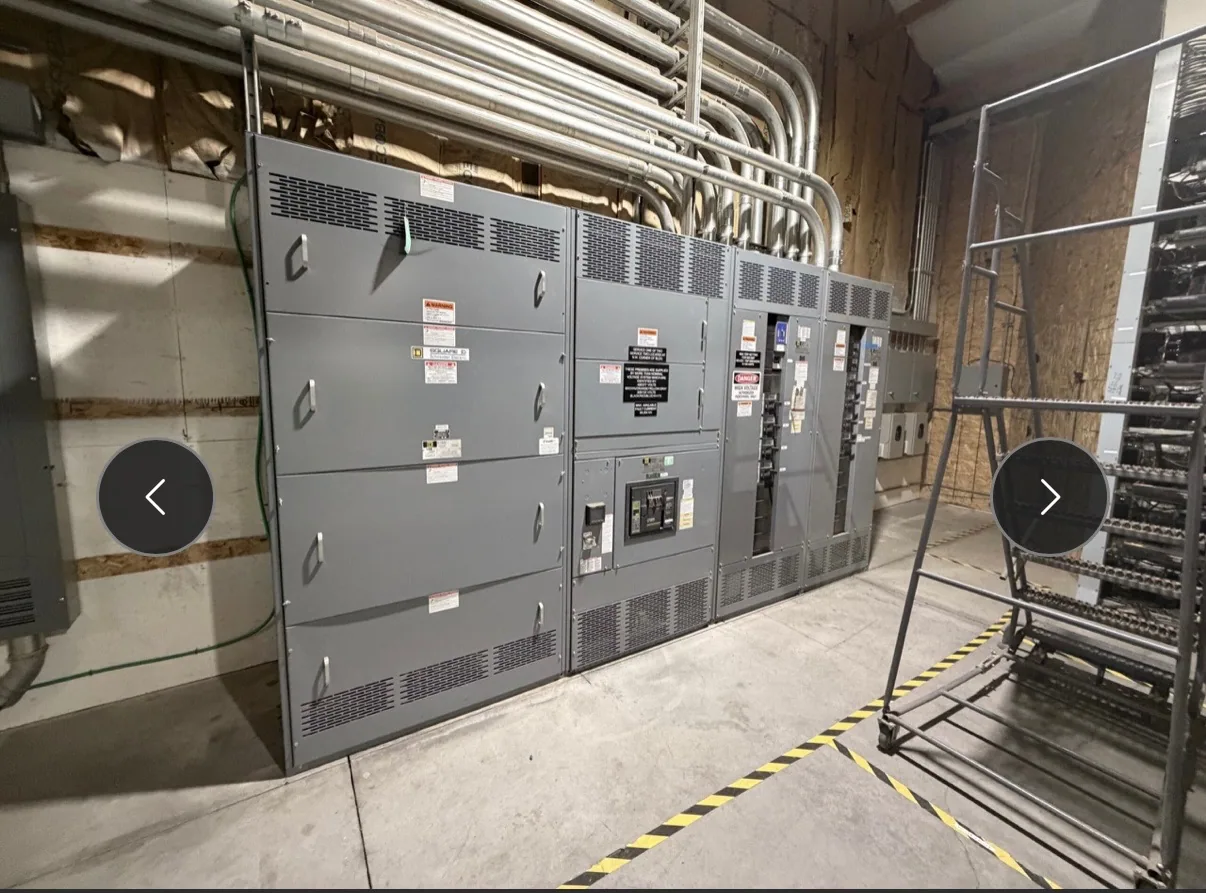
Why site conditions matter to an arc-resistant design
An arc-resistant rating applies to a specific equipment design and its defined configuration; it should not be treated as a general guarantee for every installation condition. Temperature, humidity, altitude, contamination, available clearance, and the path for pressure or hot gases can all matter to an application. The responsible engineer must confirm that the proposed assembly and its installation arrangement match the applicable design documentation and project requirements.
Start by documenting the actual installation environment rather than relying on a city, building type, or typical indoor assumption. A clean, conditioned electrical room differs from a coastal utility space, a washdown area, or an outdoor enclosure exposed to weather. These examples identify questions to investigate, not automatic equipment ratings. The effect of any condition depends on the specified product, options, and installation instructions.
Temperature, humidity, and contamination
Provide expected normal and exceptional ambient temperatures at the equipment location, including seasonal ranges and heat from nearby process equipment. If the room is ventilated or conditioned, describe the system and whether the design depends on it. The project engineer should determine whether derating, heaters, ventilation, enclosure changes, or other measures are necessary and confirm that they are compatible with the selected assembly.
Describe humidity, condensation risk, dust, corrosive vapors, salt exposure, and any cleaning chemicals or airborne material. In food and beverage facilities, for example, the switchgear room might be separated from wet processing, or it might experience periodic cleaning and elevated humidity; the actual arrangement and exposure are unknown until the project team supplies them. State whether washdown or hose spray can reach the equipment, and identify the cleaning method. Do not assume an arc-resistant designation also establishes suitability for moisture, corrosion, or washdown.
Altitude and other location-specific factors
Report the equipment elevation above sea level when known, along with indoor or outdoor placement and any site conditions that could affect cooling or insulation. Do not infer acceptable altitude or operating limits from a general product description. Ask the responsible engineer and manufacturer to review the specified conditions against the design data for the exact assembly and its electrical ratings. If conditions are uncertain, identify the uncertainty instead of substituting a customary value.
For coastal, industrial, or otherwise aggressive environments, describe the expected exposure and proposed room or enclosure protections. Salt-laden air, corrosive contaminants, and conductive dust may call for design provisions that are separate from arc-resistance features. The project specification should identify required materials, coatings, enclosure construction, and environmental performance only where the project engineer has established them and the manufacturer confirms that the configuration is available.
Room layout, access, and pressure relief
Provide room dimensions, ceiling height, equipment lineup location, cable entry direction, wall and door positions, and nearby obstructions. Show working space and routes for equipment installation, inspection, and maintenance. Qualified personnel need access under the applicable safety procedures, but access requirements do not authorize energized work. The project team should coordinate the equipment footprint and clearances with the building layout before finalizing the lineup.
For an arc-resistant design, confirm the required installation configuration and any designated pressure-relief or exhaust path. Walls, ceilings, ducts, or other obstructions could conflict with a design's intended arrangement. Do not assume that a rating remains applicable if the assembly is installed differently from its supporting design documentation. The engineer should review the manufacturer's equipment-specific instructions, layout, and any stated exclusions before approval.
Water exposure, drainage, and maintenance conditions
Identify flood exposure, roof leaks, plumbing, floor drains, condensation, and other plausible sources of water near the equipment. Include floor elevation or protection measures if they are defined in the project. A general indoor designation does not resolve these risks, and an arc-resistant feature should not be mistaken for water protection. The required enclosure and installation provisions depend on documented exposure and the specific equipment design.
Explain how doors, covers, and service areas will remain accessible after adjacent piping, cable trays, and process equipment are installed. Note whether routine inspection or maintenance requires removal of nearby components. The final arrangement should preserve required access and follow the manufacturer's instructions; changes made in the field need review by qualified project personnel. Coordinate these details with the facilities and construction teams before equipment release.
Project information and design review
A useful specification identifies the application, system voltage and ratings established by the engineer, indoor or outdoor location, ambient range, altitude, humidity, contaminants, salt or chemical exposure, and potential water contact. Add room drawings, cable entry preferences, clearances, access needs, and the proposed pressure-relief arrangement. Clearly mark unknown values and identify who will resolve them. This gives the manufacturer a defined basis to review a new custom-to-specification assembly.
Also request the equipment-specific drawings, environmental limitations, installation requirements, and applicable arc-resistant design documentation for review. Ask which options or arrangements are included and what conditions are excluded. Product availability, configuration, delivery timing, ratings, testing, and any listing or standards applicability must be confirmed for the actual order. A careful review before release helps align the site plan, equipment design, and installation scope without assuming that a general rating answers every environmental question.