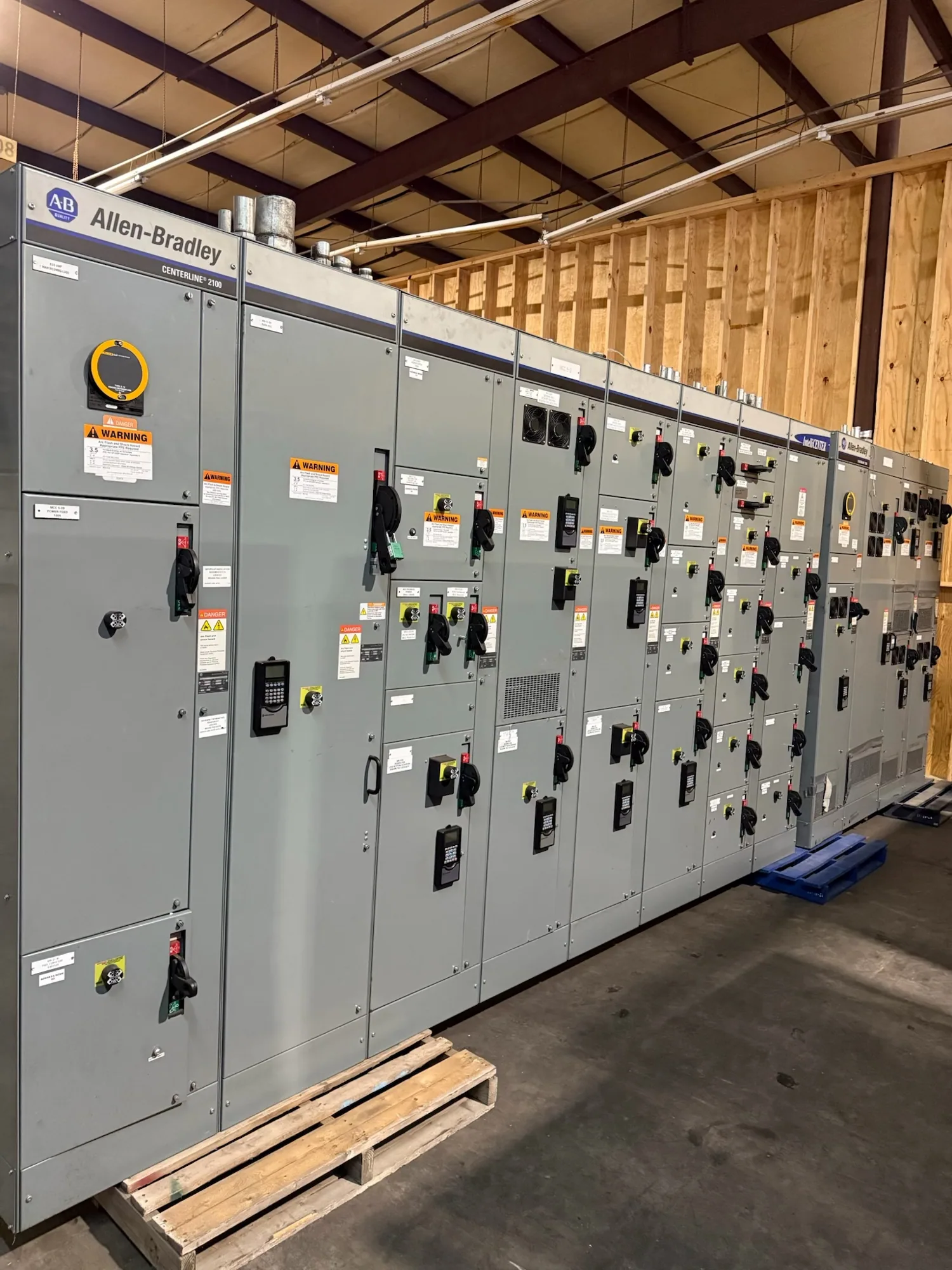
Start with the facility’s electrical needs
Hospital distribution must support a varied mix of electrical loads, from clinical and diagnostic equipment to lighting, building systems, information technology, and general receptacles. The consequences of an interruption vary by location and function, so planning begins with the facility’s electrical design and its classification of loads—not simply a list of equipment connected to one service.
A project may include normal and alternate sources, transfer equipment, and designated essential electrical systems. Their arrangement depends on the building, applicable requirements, engineering decisions, and the owner’s continuity objectives. Switchgear or switchboards form part of that larger architecture; they do not independently establish a compliant essential system or guarantee uninterrupted service.
Coordinate essential systems and continuity
For new construction, expansion, or replacement, the design team should identify which distribution sections serve essential loads, how those sections relate to normal and alternate sources, and where transfer functions belong. The one-line diagram should show the intended source paths and switching arrangement. Confirm that proposed equipment interfaces with the complete system rather than evaluating a lineup in isolation.
Continuity planning also involves the practical sequence for installation, testing, and cutover. Owners and engineers should determine what existing services must remain available, what temporary arrangements are needed, and how shutdown windows will be controlled. These activities require qualified personnel and applicable safety procedures. Equipment selection should support the approved plan, but it cannot replace project-specific outage planning or commissioning decisions.
Apply coordination to the actual system
Selective coordination may be required for particular portions of a healthcare electrical system. Where applicable, the engineer evaluates protective devices and their settings across the relevant paths so that a fault can be isolated as intended while other parts of the system remain available. Whether this objective applies, and how it is demonstrated, depends on the governing requirements and the actual system design.
Provide the equipment supplier with the project’s protection and coordination requirements, available fault-current information when established, and relevant upstream and downstream device details. Confirm who is responsible for device selection, settings, and coordination studies. A switchgear or switchboard proposal should not be treated as proof of coordination unless the project scope explicitly includes the necessary engineering and supporting documentation.
Choose equipment by function and voltage
Low-voltage switchgear and electrical switchboards can serve different roles in a distribution design. The appropriate form depends on the electrical function, system configuration, project specifications, and required construction—not on a product label alone. For a 480 V class application, specify the actual system characteristics and required equipment ratings; do not assume every project at that nominal voltage has identical requirements.
Voltage selection involves more than nominal system voltage. The engineer should identify the system voltage, equipment maximum voltage, insulation requirements, grounding arrangement, and operating configuration appropriate to the installation. For medium-voltage applications, 5 kV and 15 kV classes are distinct options, and the project specification must establish which is suitable. Confirm ratings and design details against the actual system and equipment proposal.
Define the specification and boundaries
Before requesting pricing, assemble the one-line diagram, equipment schedule, project specifications, and anticipated procurement requirements. Identify source and feeder arrangements, enclosure and installation conditions, bus and protective-device needs, metering or controls, and interfaces with transfer equipment. Where a requirement is not yet settled, mark it for engineering review rather than allowing an assumption to become part of the purchase.
Clarify the supplier’s scope: equipment included, exclusions, submittal information, and any project-specific design or documentation requested. If listing, testing, or a particular standard is specified, ask whether it applies to the proposed assembly and obtain confirmation for that configuration. For eligible low-voltage switchboards, UL 891 applicability and assembly listing must be verified for the specific design; it does not apply as a blanket claim to all switchgear.
Make the purchasing handoff precise
Owners, consulting engineers, contractors, and purchasing teams should agree on who approves technical submittals, resolves deviations, coordinates field interfaces, and authorizes changes. Include project location, requested quantities, procurement milestones, delivery constraints, and the responsible contacts in the request for quotation. State whether the inquiry concerns new equipment and provide the latest controlled revision of each drawing and specification.
South Carolina Switchgear Builders manufactures new equipment to specification, with US-built equipment and all-American components, and ships nationwide. Short lead times may be available, but availability and actual timing depend on the order and must be confirmed. A complete technical package gives the manufacturer a clearer basis for reviewing the application, identifying open questions, and preparing an equipment proposal for the project team to evaluate.