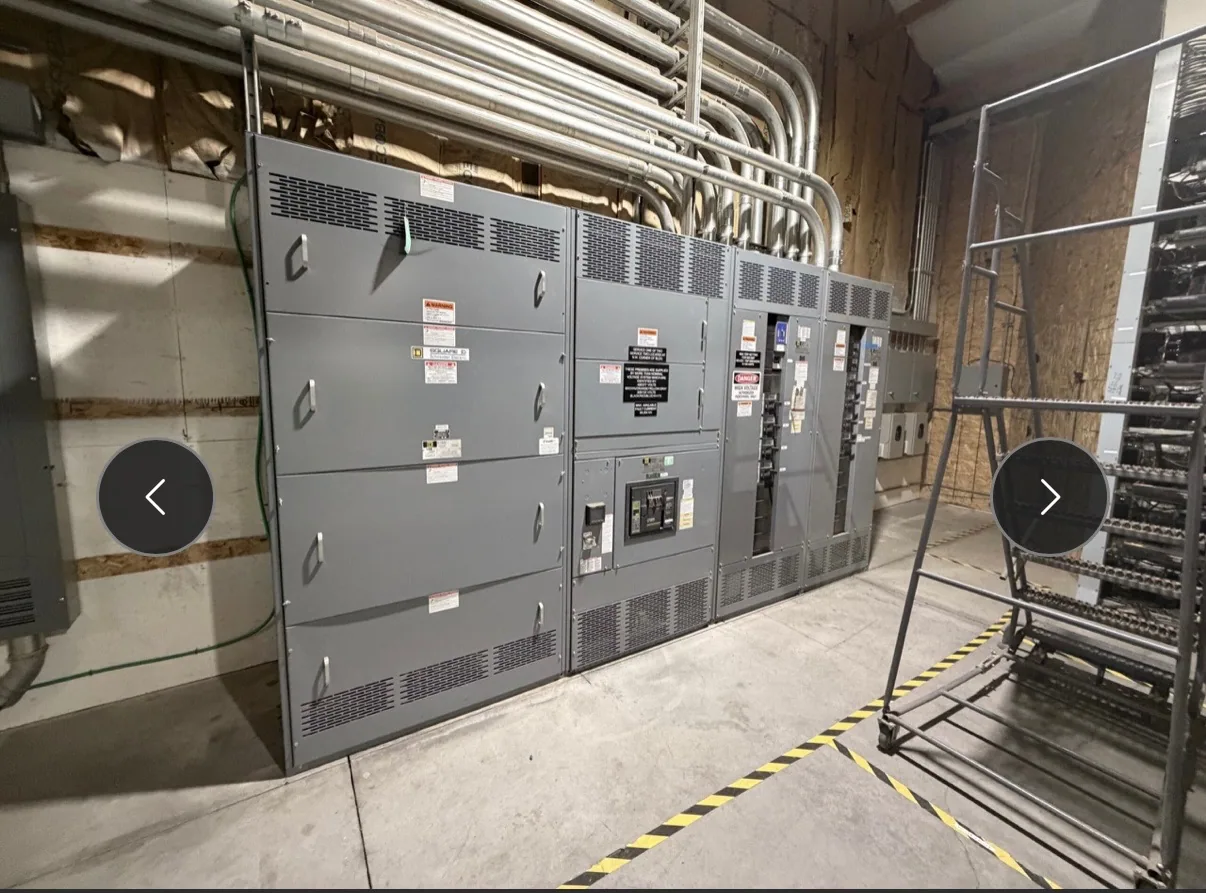
Start with the equipment and project boundary — Generator Paralleling Switchgear: Codes and Standards
Generator paralleling switchgear coordinates multiple generator sources and their connection to a distribution system. The applicable requirements depend on the actual assembly, voltage class, intended function, installation, and project jurisdiction—not simply on the product name. Separate the equipment specification from installation codes, utility interconnection rules, and requirements set by the authority having jurisdiction (AHJ). Each may address a different part of the design.
For a new-equipment purchase, ask the project engineer to identify which requirements apply to the proposed assembly and which apply to the surrounding installation. Do not assume one standard covers generator controls, protective devices, bus, wiring, field connections, and site operation as a package. A manufacturer can configure equipment to a confirmed specification, but the responsible design team must establish project criteria and resolve conflicts among governing documents.
Confirm the governing documents and editions
Codes and standards are adopted or invoked in specific ways. The adopted edition can depend on the jurisdiction, permit, contract, utility agreement, or owner requirements. Have the engineer identify the document title, edition, amendments, and scope that apply, then request review by the AHJ or utility where needed. Avoid specifying “latest edition” without confirming whether the project documents or jurisdiction use a particular edition.
Also distinguish an equipment standard from an installation code or interconnection rule. An equipment standard may address construction or evaluation of a defined product type; installation rules can govern how equipment is located, connected, protected, and maintained. Utility requirements may affect the point of interconnection and operating coordination. Applicability, listing, testing, ratings, and accepted evidence must be verified for the specific design and project; none should be assumed from a general product description.
Connect requirements to paralleling functions
Translate requirements into defined operating sequences. Describe which sources can start, connect, synchronize, share load, disconnect, or remain available during a fault or maintenance condition. Identify the permitted modes, transfer or transition behavior, and any conditions that inhibit closing. These decisions affect control logic, protective-device coordination, metering, alarms, and interfaces with generator controls or a facility management system.
Synchronization and protection deserve explicit engineering review. The specification should identify the functions and responsibility boundaries required for synchronizing, reverse-power or other protective schemes, and breaker control, as applicable to the design. Do not prescribe settings without system studies and equipment data. Confirm how trip signals, permissives, communications, and loss-of-signal conditions are handled, and which party supplies and verifies each interface.
Balance source control, distribution, and maintainability
Load priority and response to reduced generation capacity influence both controls and distribution arrangements. Provide the intended load-shedding sequence, loads that must remain supplied, and conditions for restoration. The engineer should evaluate generator capacity, load characteristics, fault-current contributions, and coordination with downstream equipment. If these inputs are not settled, mark them as open design items rather than embedding assumed values in a purchase specification.
Physical arrangement is another project-specific tradeoff. Bus configuration, incoming and outgoing connections, compartmentation, access, and future expansion can affect footprint and serviceability. Clarify site constraints, cable or busway entry, environmental conditions, and required clearances with the project team. Qualified personnel should perform installation, testing, and maintenance under applicable safety procedures; the equipment specification should identify documentation and interfaces without implying energized work.
Use a clearly labeled scenario to expose open questions
Consider a hospitality or resort property planning coordinated generator operation for selected building loads. The generator count, capacities, voltage, load priorities, utility arrangement, and jurisdiction are unknown in this illustrative scenario. They must be established by the project team, not inferred from the building type. The engineer would map normal and emergency operating modes, determine which loads transfer or shed, and review the interconnection and protection approach.
That review can reveal choices with real consequences: whether the control system supports the desired operating modes, how a failed source affects remaining capacity, and what interfaces are needed with facility systems. It also helps identify which authority or utility reviews the design and what submittal evidence is expected. Treat each answer as a project-specific design decision, then carry approved requirements into the equipment schedule and control narrative.
Prepare a specification package that can be checked
Before requesting a proposal, provide the one-line diagram, system voltage and phase, source and load information, available fault-current data if established, generator data, operating sequence, and protection or metering requirements. Include the governing documents and editions, jurisdiction, utility requirements, environmental conditions, enclosure and access constraints, connection details, and required communications. Clearly label preliminary values, unresolved studies, and information to be confirmed.
Request equipment-specific documentation that supports design review: a proposed scope and exclusions, arrangement information, control and interface descriptions, ratings to be confirmed, and a submittal schedule aligned with the project. Ask who supplies generator controls, protective relays, network devices, field wiring, and settings, and how changes are reviewed. South Carolina Switchgear Builders manufactures new equipment to specification, with US-built, all-American components and nationwide shipping. Availability and lead times depend on the order and must be confirmed. A coordinated review of the governing requirements, system design, and supplier submittal gives the project team a sound basis for approving the final configuration.