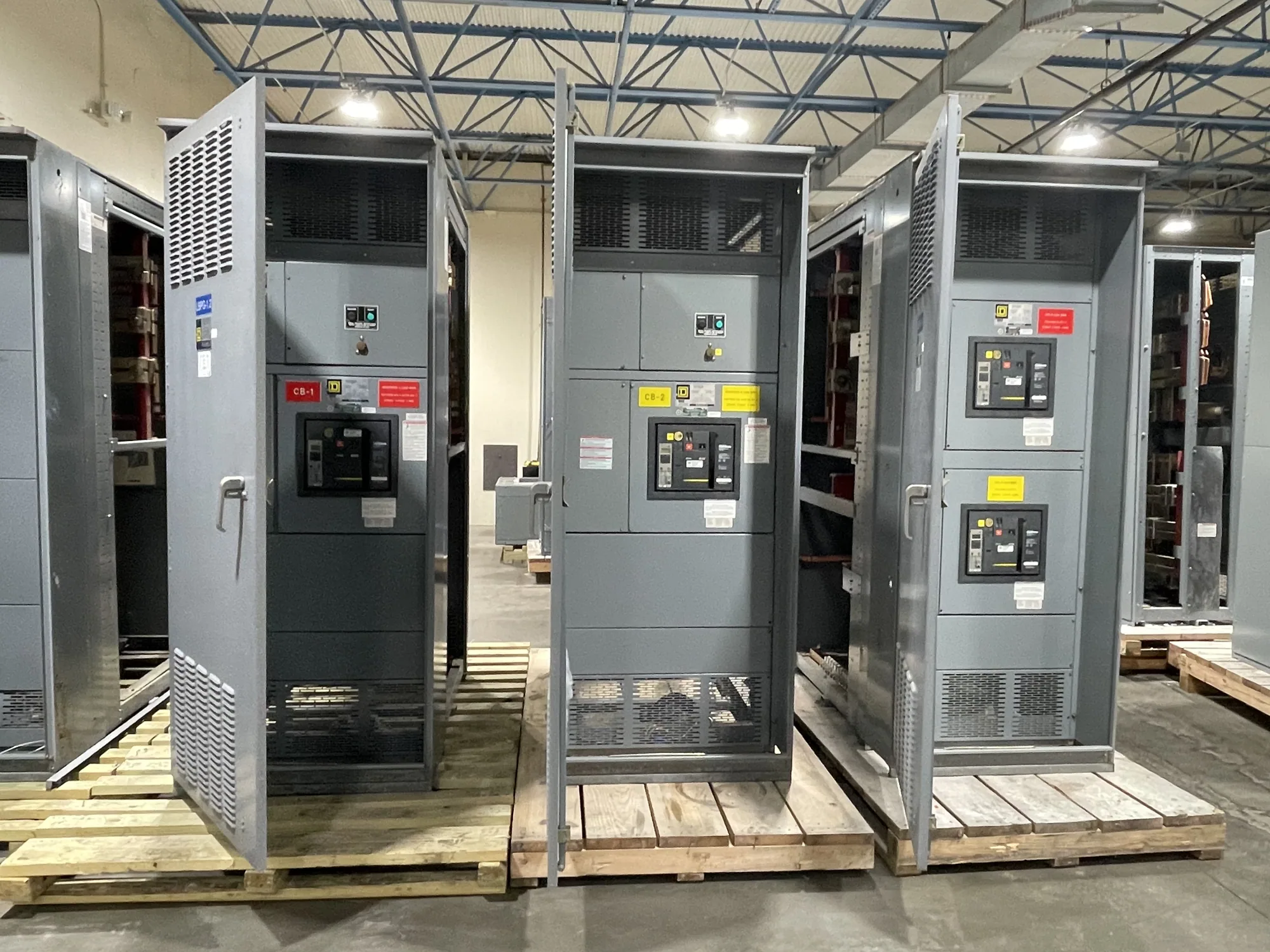
What the continuous current rating describes
Generator paralleling switchgear coordinates multiple generator sources and distributes their combined output to connected loads. Its continuous current rating describes the current an applicable bus or device is specified to carry under stated conditions during normal operation. It is not, by itself, a complete measure of system capability, nor does it establish how much generator capacity is available at every moment.
For a project, distinguish the expected load current from the ratings assigned to bus sections, breakers, disconnecting devices, and other current-carrying parts. Those ratings apply to particular equipment and installation conditions. A suitable design must account for the intended operating arrangement and the manufacturer’s equipment-specific limits, rather than relying on one headline rating for the entire lineup.
Translate load expectations into equipment requirements
Start with an engineered load assessment that identifies normal demand, expected operating combinations, and any planned growth. Where available, provide measured demand data and explain how it was collected. Measurements are useful evidence, but the responsible engineer should determine whether their duration and operating context represent the conditions the paralleling system must handle.
Generator nameplate information alone does not establish the required switchgear current rating. The design team should evaluate the expected load served when units are operating together, the arrangement of bus sections, and the permitted source configurations. If loads can be transferred or shed, state the intended sequence and priorities so the equipment design and control scheme can be reviewed as one coordinated system.
Review bus and device ratings together
Ask for the proposed continuous current rating of each relevant bus section and switching device, and identify the operating path for each source and load condition. A device rating should not be assumed to equal the rating of the bus it connects to. The project specification should make clear which components carry current in each mode, including any tie, bypass, or alternate-source arrangement included in the design.
Operating modes can affect which component is the limiting part of a current path. For example, a configuration that combines generator outputs may place different demands on a common bus than a configuration with separated sections. The engineer and manufacturer should review the specified arrangements, connection points, and expected load sharing. Confirm that the selected ratings apply to the actual configuration rather than to a different arrangement used for comparison.
Account for temperature and installation conditions
Continuous-current capability must be considered alongside the conditions under which the equipment will operate. Ambient temperature, enclosure arrangement, ventilation, installation location, and the presence of adjacent equipment may be relevant to the applicable design and rating. Whether these conditions require a rating adjustment depends on the specific assembly and its documented limits; do not apply a generic derating factor without engineering review.
Provide the planned equipment location and the environmental or room conditions known at specification time. Identify unusual heat sources, restricted airflow, or other constraints for the project engineer and manufacturer to assess. Request confirmation of the rating basis and any assumptions or adjustments applicable to the proposed equipment. The final project documents should use the confirmed equipment data, not an unverified estimate.
Coordinate current capacity with controls and protection
Continuous-current selection is one part of a larger system design. Source sequence, synchronization functions, generator loading, load priority, and protection settings all influence how the system operates, but none should be inferred from the continuous current rating. Define which sources may run in parallel, what conditions permit closing or transfer, and how the controls interface with generators and downstream equipment.
Protection and short-circuit requirements need separate review. A continuous current rating does not establish a device’s interrupting capability or the assembly’s short-circuit rating. Provide the available system fault information and the required protection approach for evaluation by the responsible engineer. Ask that current-carrying ratings, protection devices, controls, and the specified operating sequences be checked for consistency in the proposed design.
Illustrative application and engineering review
Consider an automotive manufacturing facility planning coordinated generator operation for selected production and support loads. The scenario is illustrative: no load values, generator capacities, operating schedule, or site conditions are assumed. The project team would identify which processes must remain served, whether loads start in stages, and which loads may be curtailed before determining the current demands of each intended operating mode.
The engineer would then compare those demands with generator capabilities, bus and device ratings, temperature assumptions, and the defined source sequence. Questions about simultaneous motor starting, changing production demand, or future expansion should be resolved using project-specific data. A qualified engineer should perform the applicable calculations and standards review; the manufacturer should confirm how the proposed equipment is specified for the documented conditions.
Information to provide with a specification request
For a useful review, provide a one-line diagram; generator quantities and nameplate data; load schedules or representative measurements; normal and alternate operating modes; source and tie arrangements; and known room or installation conditions. Include the required continuous current ratings for identified buses and devices, if already established, while marking any values that remain subject to engineering confirmation.
Also identify protection and control interfaces, synchronization expectations, load-shedding priorities, short-circuit information, documentation needs, and any project-specific standards or listing requirements for review. Ask the manufacturer to identify equipment assumptions, exclusions, and data still needed to confirm the proposed configuration. Ratings, applicable listings, availability, and delivery timing must be verified for the actual specification. South Carolina Switchgear Builders manufactures new equipment to specification, with US-built equipment, all-American components, and nationwide shipping; availability and lead time depend on the order and require confirmation. This information lets the project team evaluate a complete, coordinated proposal before finalizing equipment requirements.