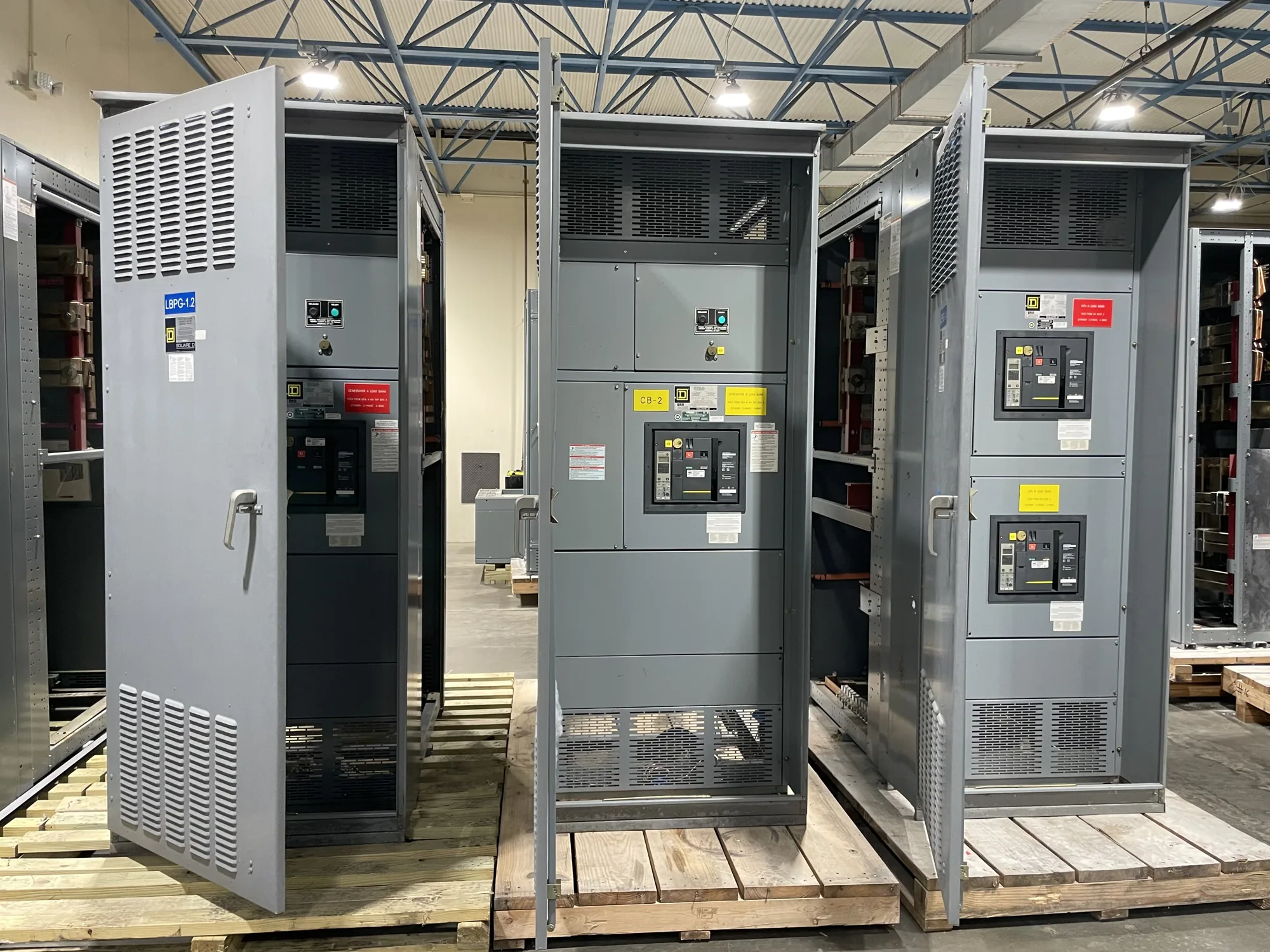
Define the interface around the operating sequence
Instrumentation and communications for generator paralleling switchgear should be specified in the context of how the sources are expected to operate. A point list is not simply a catalog of available signals: it describes what operators and connected systems need to know as generators start, synchronize, connect to a bus, share load, and respond to changing conditions. The responsible project engineer should establish the intended sequence and identify which equipment performs each control action.
Start with the audience for each indication. Operators may need local measurements and alarms, while a building management, supervisory control, or plant system may need selected values and equipment states. Identify the intended users and purpose rather than assuming every point must be sent everywhere. This supports a focused interface, helps avoid ambiguous ownership, and gives the switchgear supplier and system integrators a concrete basis for coordination.
Build a useful metering and status-point list
For each requested point, specify its meaning, source, destination, and expected use. Potential items for engineering review include source availability, breaker position, generator operating state, bus measurements, alarms, and selected electrical measurements. These are examples, not a standard package or a promise that every point is available from every design. Confirm each point against the proposed controls, protective devices, meters, and project requirements.
Separate measurements used for control or protection from information intended only for monitoring. The project engineer should determine which functions belong in generator controls, protective relays, meters, or external supervisory systems. Avoid using a displayed or communicated value as a substitute for a protective function unless the responsible engineer has specifically designed and reviewed that arrangement. Define units, naming conventions, alarm priorities, update expectations, and whether a point is required locally, remotely, or both.
Coordinate protocols and network ownership
Name the required protocol and interface at each boundary, including which device provides the data and which system receives it. Confirm protocol options, supported data objects, addressing, wiring medium, port requirements, and responsibility for configuration against the actual equipment specification. A protocol name alone does not resolve integration: the parties still need to agree on point mapping, scaling, status interpretation, alarm handling, and who verifies end-to-end communication.
Document the network boundary explicitly. Identify whether the switchgear controls connect to a dedicated plant network, a supervisory system, or another approved interface, and who supplies switches, gateways, cabling, licenses, and network configuration. Define access responsibilities and cybersecurity requirements with the owner’s information-technology and operational-technology stakeholders. Remote access, firewall rules, account management, patching, and ongoing monitoring should not be assumed to be included in switchgear supply; assign each responsibility in the project documents.
Keep communications aligned with source control
Communications should make the designed operating sequence observable without creating confusion about command authority. Clarify which equipment initiates starts, enables synchronization, controls breaker operation, manages load sharing, and handles load priority or shedding. State whether external systems are permitted to issue commands or receive status only. The control designer and project engineer should review permissives, interlocks, failure responses, and the effect of lost communications on the intended sequence.
Specify what happens when a network connection, meter, or supervisory system is unavailable. The acceptable fallback depends on the design and operating requirements; it must be established by the responsible engineer rather than inferred from a protocol choice. Coordinate the signal list with protection settings, source sequence, generator controls, and any required external interfaces. This review helps distinguish essential control functions from convenient monitoring and reduces late changes to wiring or integration plans.
Consider a manufacturing facility scenario
For an illustrative automotive manufacturing facility, the owner might want generator status and selected bus measurements visible to an operations system while maintaining a clearly defined boundary between monitoring and generator control. No particular generator count, load, voltage, network architecture, protocol, or operating sequence is assumed here. The project team would need to establish those values and decide which information supports safe, practical operation at the facility.
That discussion should include production priorities, the consequences of losing a communication path, and how operators recognize source or breaker states. A qualified engineer must determine applicable calculations, protection, coordination, and standards review based on the actual installation. The scenario is a planning aid, not a recommendation for a particular plant design or a claim that a given interface will meet a facility’s needs.
Provide a complete project interface package
When requesting a new-equipment proposal, provide the one-line diagram, generator and source information, intended operating sequence, control narrative, and relevant specifications. Include a preliminary point list with each point’s description, source, destination, required or optional status, and any expected command direction. Identify the owner’s accepted protocols, network requirements, preferred naming conventions, and the parties responsible for integration and cybersecurity review.
Also state project boundaries: which meters, relays, controllers, gateways, network components, software configuration, and field wiring are included or supplied by others. Request proposed interface documentation and identify the submittal review milestones needed by the project team. Availability, equipment configuration, ratings, listing, testing, and delivery timing depend on the specific design and order and should be confirmed against the supplied specification.
Close coordination before release and startup
Before equipment release, have the owner, engineer, generator-control provider, switchgear supplier, and system integrator resolve point definitions and interface ownership. Review changes to the point list alongside changes to the sequence, protection, or network design so that one discipline does not inadvertently alter another’s assumptions. Agree on what documentation will be provided and how interface questions will be tracked through submittal review.
For installation, testing, and maintenance, use qualified personnel and the applicable project safety procedures; communications planning does not replace those requirements. A clear, approved point list and explicit network boundary give the project team a workable basis for procurement and integration. South Carolina Switchgear Builders manufactures new switchgear and switchboards to specification, with project configuration and availability confirmed for each order.