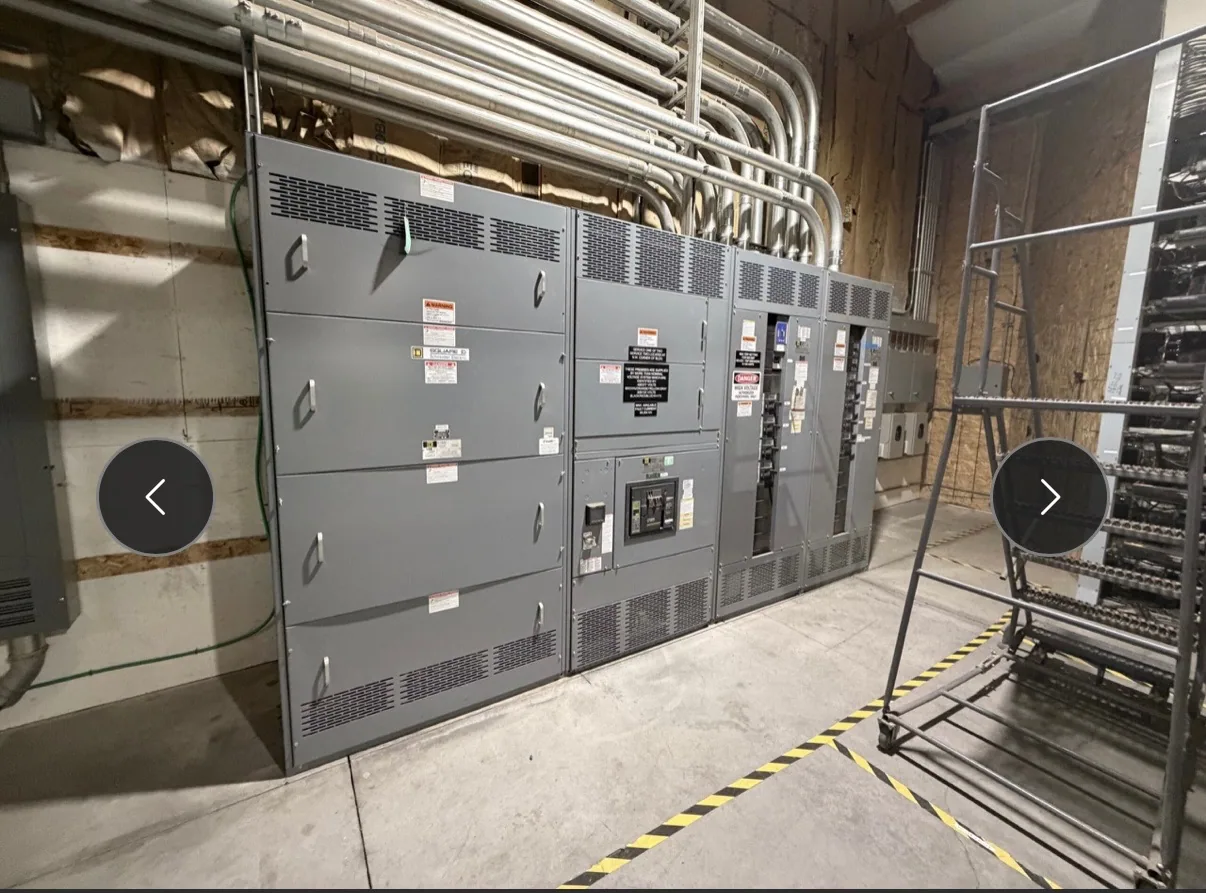
What a continuous current rating means indoors
Continuous current rating describes the current an equipment component or assembly is designed to carry under specified conditions. For indoor switchgear, it is not simply a label to match to one measured load value. The specification must distinguish normal operating load from the ratings of the bus, switching and protective devices, and any other current-carrying components included in the design.
Indoor installation does not by itself establish favorable operating conditions. Equipment may be located in a dedicated electrical room, a production building, or a space influenced by nearby machinery and other heat sources. The responsible engineer should document the expected electrical duty and the actual installation environment so that the proposed configuration can be reviewed against its applicable ratings and limitations.
Start with the load, not a guessed equipment size
Develop the expected load using the project’s measured data, load schedule, operating patterns and engineering assumptions. Identify which loads can run together, which are intermittent, and whether planned process changes could alter demand. A single peak reading may not represent normal operation; equally, an average can conceal recurring periods of high demand. The engineer should decide which operating cases govern the equipment selection.
Provide the system voltage and configuration, source information, feeder and load descriptions, and the basis for calculated demand. Clarify whether the specified current is an expected operating value, a design value, or a requested equipment rating. These are related but not interchangeable. The equipment rating must be evaluated as part of the complete distribution design, rather than chosen by applying an unverified margin to one current figure.
Coordinate bus and device ratings
Bus rating and device rating answer different questions. The bus carries current through the assembly, while breakers or other devices have their own ratings and application limits. The specification should identify the required rating for each relevant element and show how the proposed arrangement serves the intended feeders. Device selection also depends on system and protection requirements; continuous current alone does not establish the correct protective-device choice.
Review the arrangement as a whole, including connections, compartments and the devices proposed for the application. Ask the manufacturer to identify the ratings applicable to the offered configuration and any conditions or exclusions that affect them. Do not assume that every component shares the same rating, or that a rating stated for one assembly arrangement transfers automatically to a different lineup or design.
Account for room conditions and heat
Operating temperature and heat dissipation deserve explicit attention in an indoor installation. Room temperature, ventilation, equipment spacing and heat from adjacent loads can affect the conditions under which components operate. Provide the expected ambient conditions and relevant room details for engineering review. If the room’s environmental conditions are uncertain, identify what remains to be confirmed rather than treating the space as an unrestricted indoor environment.
Physical layout is part of the selection process, too. Provide room dimensions, access routes, door and ceiling constraints, and the intended lineup location. Confirm working clearances and maintenance access with the project’s responsible professionals and applicable requirements. A design that meets the electrical intent still has to be delivered, positioned and installed in the available space. Room access and heat management should therefore be coordinated before equipment details are finalized.
Consider the operating case and trade-offs
For example, an automotive manufacturing project might have production lines, support loads and changing shifts. The actual loads, concurrency, ambient temperature and future expansion are unknown here and must be supplied by the project team. The engineer can use verified measurements and process plans to define relevant operating cases, then assess the bus and device requirements against those cases and documented room conditions.
Choosing a higher rating without reviewing the full design may affect equipment configuration, footprint or cost; selecting too little capacity may fail to serve intended operating conditions. Neither conclusion can be drawn from a general rule alone. A qualified engineer should perform the load and protection review and confirm applicable standards and project requirements. Continuous current ratings do not replace review of short-circuit ratings, coordination or other system duties.
Information to include in the specification
- System voltage, configuration, source details and available engineering data.
- Load schedule, measured operating information, demand assumptions and foreseeable process changes.
- Required bus and individual device ratings, feeder descriptions and protection design criteria.
- Indoor room conditions, expected ambient temperature, ventilation details and nearby heat sources.
- Room dimensions, equipment location, access path, clearances and installation constraints.
- Requested drawings, submittal details, applicable standards and items requiring engineering confirmation.
Ask the manufacturer to identify the ratings and conditions for the specific proposed assembly, along with any exclusions or assumptions in the quotation and submittal package. Confirm whether project-specific testing, listing or other documentation is required and whether it applies to the offered design; do not assume those details without verification. Ratings, configuration and availability depend on the actual specification.
Coordinate the selection through delivery
Before release, align the load basis, equipment schedule, room plan and submittals among the owner, electrical engineer, contractor and manufacturer. Resolve open assumptions early, particularly changes to production loads or room conditions. South Carolina Switchgear Builders manufactures new switchgear to specification, with US-built equipment and all-American components; project configuration and availability require confirmation, and actual lead times depend on the order.
Once the design is approved, coordinate delivery timing and site readiness against the confirmed project schedule. Verify shipping access, receiving arrangements and the route to the electrical room before dispatch. Installation, testing and maintenance should be performed by qualified personnel following applicable safety procedures. A clear, documented current-rating basis helps the project team evaluate the equipment consistently from design review through installation planning.