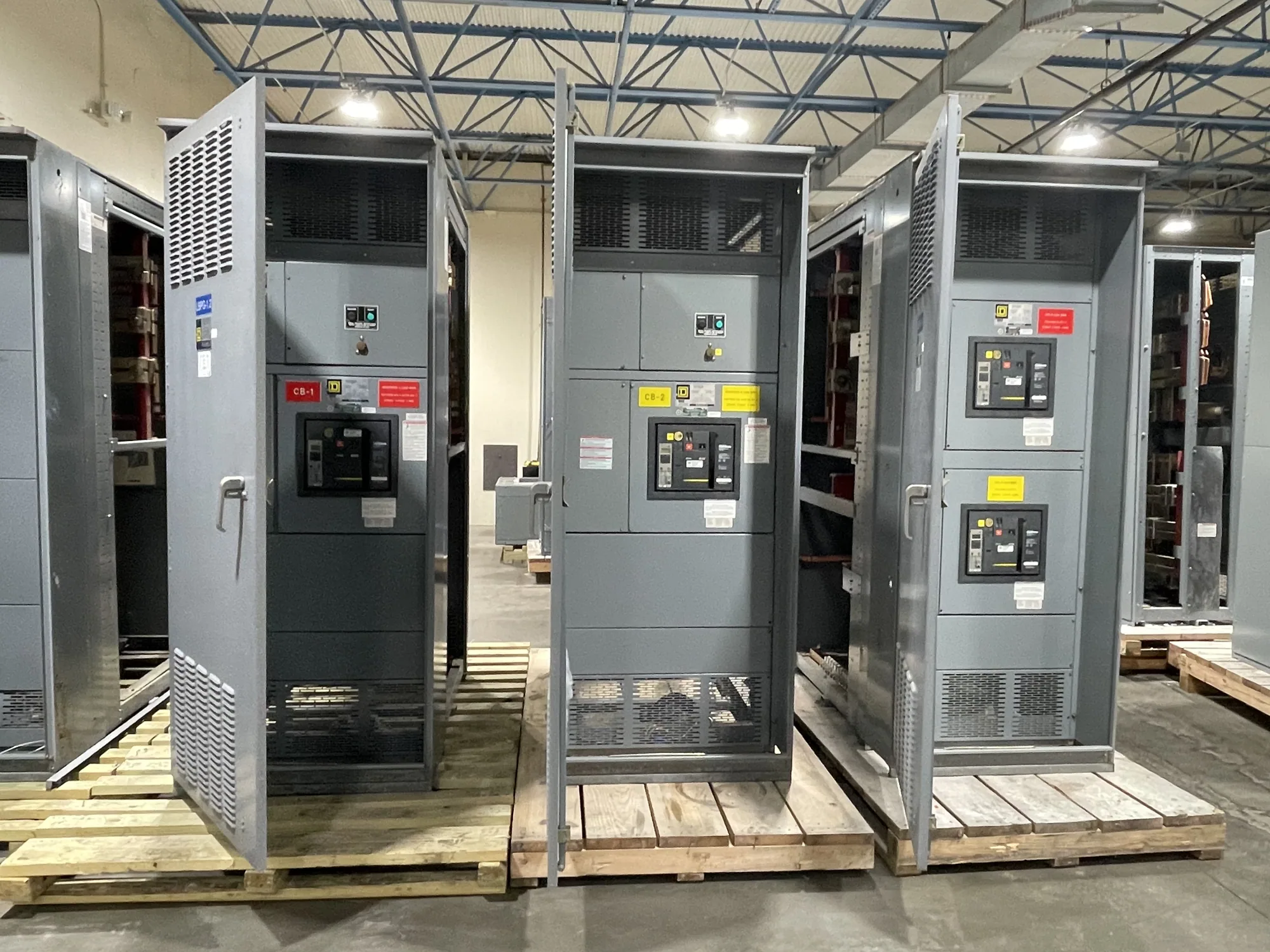
Apply arc-flash planning to the actual installation
Arc-flash safety for medium-voltage metal-clad switchgear is a system and work-practice concern, not a feature that can be evaluated from a product description alone. A qualified engineer needs to consider the equipment within the electrical system, including available fault current, protective-device behavior, operating configuration, and the tasks people may perform. Incident energy and arc-flash boundaries, where determined, depend on those project conditions.
Metal-clad construction organizes equipment into grounded compartments and uses removable devices, but those characteristics do not establish a specific incident-energy result or make a task safe by themselves. The applicable construction requirements and the actual supplied design must be reviewed by the responsible project professionals. Treat enclosure design, protection, maintenance, labeling, and procedures as related parts of a safety program.
Use a qualified study and work-practice program
A project-specific arc-flash study should use current system information and the operating cases that matter to the facility. The engineer may need to evaluate normal and alternate sources, tie-breaker positions, generator operation, and other configurations that change fault current or clearing time. Assumptions should be documented, and the study should identify the equipment and operating state to which each result applies.
Work practices remain essential even when equipment options are considered. The facility's qualified personnel and safety program determine applicable procedures, boundaries, protective measures, and conditions for inspection or maintenance. Do not infer that a remote operating feature, compartment barrier, interlock, or protective setting removes the need to assess a specific task. Installation, testing, and maintenance belong to qualified personnel following applicable safety procedures; energized work should never be treated as a routine design solution.
Understand design interfaces and trade-offs
When specifying metal-clad switchgear, ask how the proposed arrangement interfaces with the protection and maintenance plan. Relevant details may include breaker and disconnect-device types, instrument transformers, relays, control power, compartment access, and provisions for testing. The project engineer should establish which features are required and verify how they are represented in drawings, operating procedures, and study assumptions. These decisions depend on the system and the selected equipment.
Protection settings involve trade-offs that require engineering review. A setting or device choice can affect coordination, equipment protection, and the time a fault is allowed to persist; changing it solely to reduce a calculated value can create other system concerns. Ask the engineer to assess coordination and arc-flash objectives together, and to identify any assumptions about maintenance, inspection, or operating configuration. No design option should be presented as eliminating arc-flash risk.
Consider an automotive manufacturing scenario
For an automotive manufacturing facility planning a new medium-voltage lineup, the initial information may be incomplete: source conditions, transformer data, feeder lengths, and normal versus alternate operating arrangements might still need confirmation. Those unknowns should be labeled as open inputs, not replaced with guessed values. A qualified engineer can define the required system model and determine which operating cases and tasks merit evaluation.
The equipment specification can then identify the intended lineup, interfaces, and documentation needed to support that work. For example, the project team might ask for device and relay information, control schematics, and equipment drawings in a format suitable for review. The engineer—not a generic product page—must calculate incident energy and boundaries, assess the applicable standards, and determine whether the proposed settings and work practices fit the installation.
Provide useful project information
For a manufacturer to prepare equipment to specification, provide the project voltage class, one-line diagram, system configuration, lineup arrangement, and known source and transformer information. Include feeder and load details where available, protective-device preferences or requirements, control-power needs, environmental conditions, and physical constraints. Clearly mark information that is preliminary, unknown, or subject to the engineer's confirmation.
Also explain the study and coordination needs: who is responsible for the arc-flash and coordination studies, which operating cases must be represented, and what equipment data or submittals are expected. Identify interfaces with upstream and downstream devices and any required communications or interlocking. This helps distinguish equipment scope from engineering scope and reduces the chance that critical assumptions remain hidden until review.
Review submittals, scope, and delivery coordination
During submittal review, compare the equipment configuration and protection interfaces with the project specification and the engineer's assumptions. Resolve discrepancies in device types, instrument-transformer details, relay functions, control circuits, and operating arrangements before finalizing the design. Confirm what drawings, manuals, test documentation, and equipment data will be supplied for the particular order; availability and applicability are specific to the selected assembly and project.
South Carolina Switchgear Builders manufactures new switchgear to specification, builds in the United States with all-American components, and ships nationwide. Lead times are short, but actual availability and delivery timing depend on the order and must be confirmed. Share the project schedule, review milestones, shipping destination, and required submittal dates when requesting a quotation. Close coordination among the owner, engineer, manufacturer, and qualified installation team supports a defined scope without substituting equipment claims for a project-specific safety assessment.