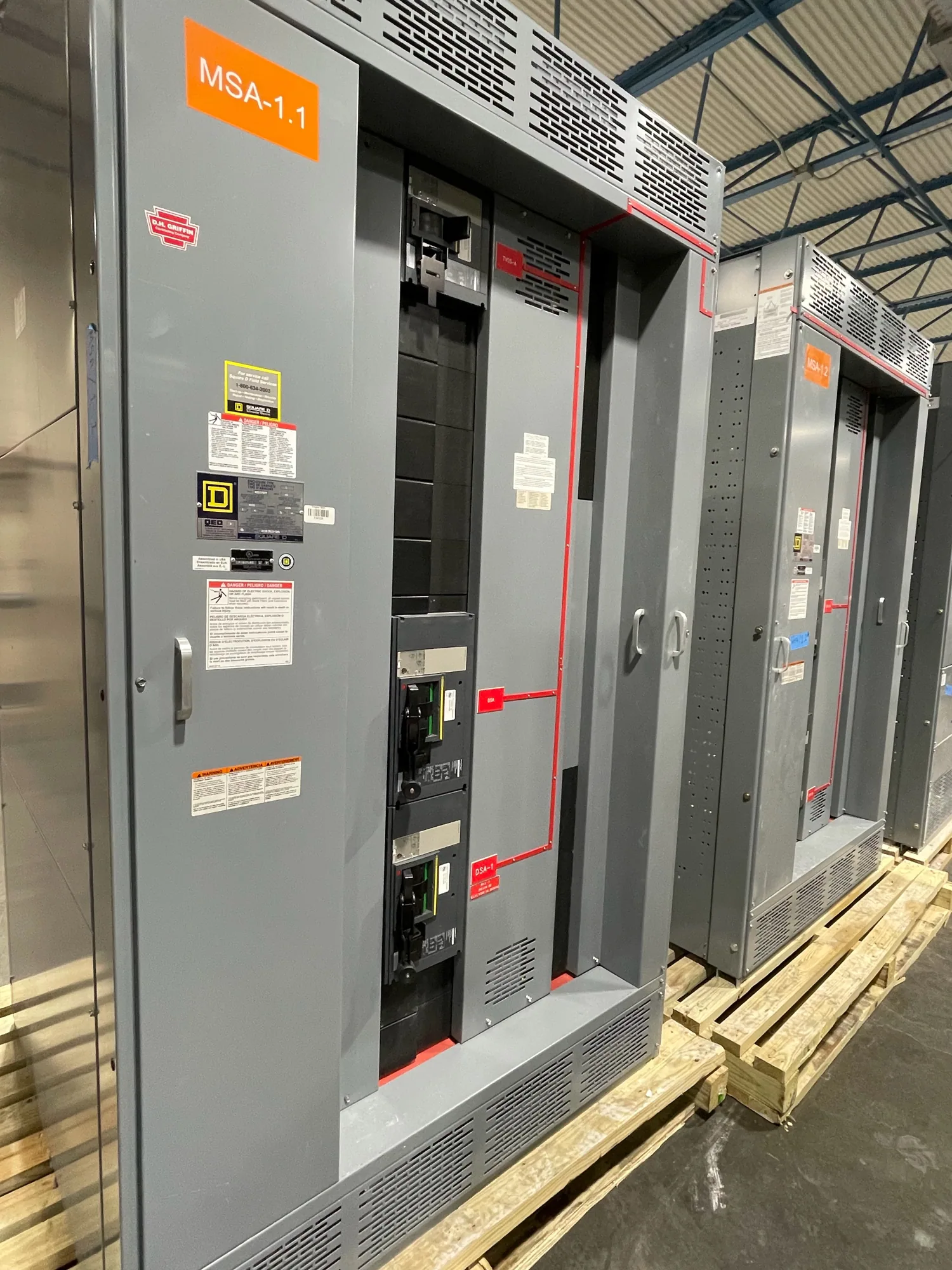
What metal-clad switchgear is intended to do
Metal-clad switchgear is a medium-voltage equipment category defined by applicable construction requirements. It is considered for systems that need to control, protect, and isolate electrical circuits at the project’s specified voltage. The term does not describe every metal-enclosed assembly: construction, barriers, compartments, and permitted device arrangements depend on the applicable requirements and the equipment design.
For a buyer, the first step is to confirm that metal-clad equipment fits the project rather than assume that a familiar name establishes suitability. Compare the system conditions, operating objectives, and required construction with the responsible engineer. A separately specified metal-enclosed product may suit a different application. The equipment category, design details, and any applicable listing or standard should be verified for the particular assembly.
Start with system voltage and operating conditions
Provide the nominal system voltage and ask the project engineer to confirm the equipment’s required maximum voltage and insulation coordination. Those terms are related but not interchangeable. The project’s grounding arrangement, frequency, available fault conditions, and switching duties can affect the design basis, so provide the applicable system information rather than relying on a voltage label alone.
Normal load current is another starting point, not the only rating to review. Specify expected load, bus arrangement, device duties, and any known operating or ambient temperature conditions. The engineer should assess whether temperature, enclosure conditions, loading, or other project factors require derating or affect selections. Confirm the required bus and device current ratings against the actual configuration; do not assume one rating automatically applies to every section or circuit.
Compartmentalization and removable devices
Metal-clad construction emphasizes separation of equipment functions through compartments and barriers as defined by applicable requirements. Ask which components are separated, what access is needed for operation or inspection, and how the proposed arrangement supports the project’s procedures. Compartmentalization can shape equipment footprint, cable access, and maintenance planning, but it does not by itself guarantee a particular operating outcome or eliminate the need for safe work practices.
Removable circuit-interrupting devices may be part of a specified design. Discuss the intended operating sequence, device interchangeability expectations, control connections, and the space and handling arrangements required for removal. These choices can affect the lineup layout and interfaces with the building. Qualified personnel must perform installation, testing, operation, and maintenance under applicable safety procedures; procurement documents should not treat a removable device as authorization for energized work.
Protection, controls, and maintenance interfaces
Protection is a system-level decision. Share the one-line diagram, protection philosophy, and available coordination information with the responsible engineer. Identify relay, metering, control-power, communications, and external trip or interlock requirements when they are part of the project. Confirm which devices and functions belong in the switchgear scope and which will be furnished or configured by others.
Also identify cable entry direction, termination needs, grounding provisions, instrument-transformer requirements, and any connections to upstream or downstream equipment. These interfaces influence compartment and lineup planning. Request confirmation of the proposed design, ratings, testing, and any listing or standards claims against the final specification. For eligible low-voltage switchboards, UL 891 may apply; it should not be treated as a metal-clad medium-voltage switchgear standard.
Balance production needs with future plans
In a production facility, a medium-voltage lineup may serve transformers, large motor loads, or distribution feeding several areas. Consider the consequences of isolating one circuit for planned work and whether the arrangement supports the facility’s operating procedures. A removable device or additional compartment may affect maintainability, space, controls, and cost; evaluate those tradeoffs in the context of the actual operating plan.
Planned expansion should be described as a design requirement, not left as an informal expectation. Tell the engineer whether future feeders, additional sections, or changed load levels are anticipated. Confirm what provisions can be included now and what would require a later redesign or outage. This is useful for South Carolina projects as well as facilities elsewhere, but the appropriate solution depends on site conditions and the approved electrical design.
Prepare a complete equipment inquiry
A useful request for quotation includes the one-line diagram, nominal system voltage, required equipment ratings, fault-duty information, load schedule, lineup arrangement, cable and bus interfaces, and control and protection requirements. Include applicable project specifications, environmental conditions, preferred access or entry arrangements, and any documented future provisions. Mark unresolved items clearly so the engineer and manufacturer can identify what must be confirmed before the design is finalized.
Define responsibilities among owner, engineer, contractor, and equipment supplier. The owner establishes operating and project needs; the engineer confirms system design and protection requirements; the contractor coordinates site, installation, and field interfaces; and the manufacturer reviews the requested equipment configuration. South Carolina Switchgear Builders manufactures new equipment to specification, with US-built equipment, all-American components, short lead times, and nationwide shipping. Confirm availability, delivery dates, ratings, testing, standards, and any listing against the actual approved design. A complete, coordinated specification provides the soundest basis for selecting metal-clad switchgear.