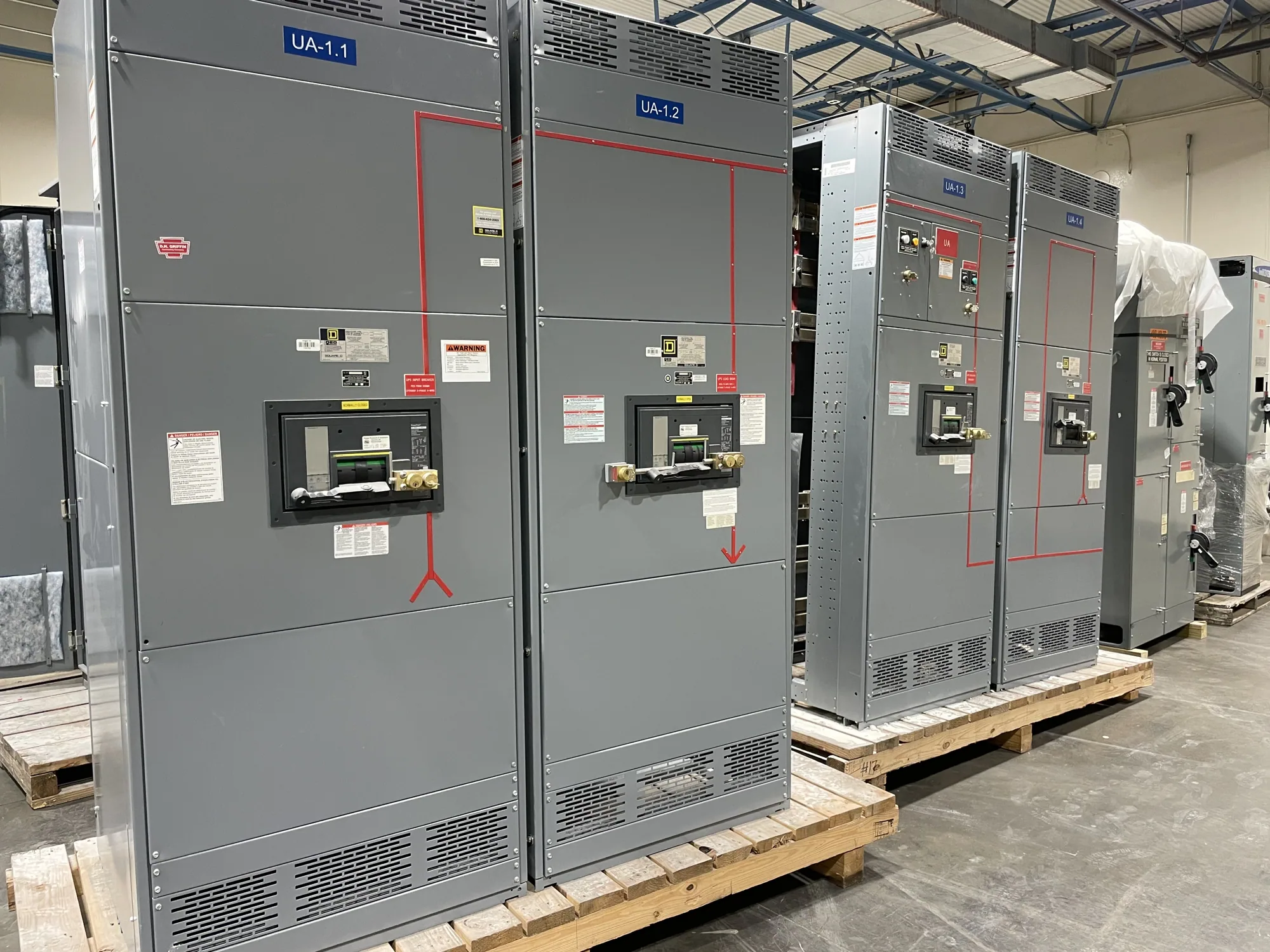
Why site conditions belong in the specification — Metal-Clad Switchgear: Environmental and Site Conditions
Metal-clad switchgear is medium-voltage equipment, and its suitability depends on more than a nominal voltage or one environmental rating. Temperature, humidity, altitude, airborne contaminants, water exposure, room layout, and maintenance access can affect the specified assembly and its application. Recording conditions early gives the project engineer and manufacturer a usable basis for review instead of relying on assumptions about a region, building type, or typical installation.
Metal-clad construction separates components into compartments, and removable devices and operating interfaces are part of the equipment arrangement. These features do not make an assembly immune to its surroundings. The project team should define where the lineup will be installed, how it will be operated, and what conditions it may encounter during normal service, shutdowns, construction, or an unusual but credible site event.
Describe the installation environment
Provide expected minimum and maximum ambient temperatures, whether the equipment is indoors or outdoors, and whether the room is conditioned, ventilated, or subject to temperature swings. Include humidity information where available, especially if condensation may occur during shutdowns or seasonal transitions. State whether heat from adjacent equipment, process areas, or sunlight could affect the location. The responsible engineer should determine which design limits and mitigation measures apply to the selected equipment.
Identify salt-laden air, chemical vapors, dust, fibers, conductive particles, or other contaminants that may be present, including their likely sources and exposure patterns. A facility label alone does not define the actual hazard: a food and beverage plant, for example, may have washdown areas, cleaning chemicals, humid processes, dry production rooms, or several different conditions in one building. Specify the lineup’s precise location and nearby operations rather than assuming every area has the same exposure.
Altitude, water, and exposure pathways
State the installation elevation above sea level and ask the project engineer to evaluate its effect on the equipment application. Do not presume that a standard rating or performance assumption remains suitable at every altitude; the actual design and applicable requirements need review. Likewise, describe credible water exposure: roof leaks, plumbing failures, floor drains, flooding potential, washdown, spray, or condensation. Distinguish occasional construction exposure from conditions expected while the equipment is in service.
Explain how water or contaminants could reach the lineup, including room openings, nearby piping, ventilation paths, and floor conditions. Provide any known flood elevation or drainage information, while clearly identifying estimates and unknowns. The manufacturer and engineer can then assess the specified enclosure, placement, and project measures against the actual application. Do not treat an enclosure selection as a substitute for resolving drainage, leakage, or process-water risks.
Room layout and maintenance access
Share room dimensions, ceiling height, door and corridor sizes, floor elevations, equipment location, and nearby obstructions. Show the intended lineup arrangement and the route for moving equipment into place. Space needs are not limited to the equipment footprint: the project team must consider the specified device-removal method, operating positions, cable or bus connections, and access required by the installation and maintenance plan. Confirm clearances and handling requirements against the final equipment design and project documents.
Describe how qualified personnel are expected to operate, inspect, and maintain the equipment under applicable safety procedures. Identify access restrictions, adjacent energized equipment, planned barriers, and any coordination needed with building or process operations. Maintenance access should be evaluated during layout development, not left to field improvisation. Never plan work on energized equipment; installation, testing, and maintenance must be performed by qualified personnel using applicable safety procedures.
Consider the interactions, not just individual values
Site conditions can combine. High humidity and temperature cycling may raise a condensation question; airborne salt or chemical residue may call for a closer materials and enclosure review; limited room space may complicate device handling and maintenance access. These are prompts for engineering review, not automatic conclusions about a particular design. The project engineer should evaluate the actual conditions, equipment specification, applicable metal-clad construction requirements, and any project standards together.
For an illustrative food and beverage facility, imagine a proposed lineup near a production area where washdown practices, chemical use, seasonal room temperatures, and water drainage have not yet been documented. Those values are unknown, so no particular enclosure or equipment modification can be assumed. The team should locate the lineup relative to the process, gather operating and cleaning information, and have a qualified engineer determine which conditions govern the design.
Information to provide for a project review
- Nominal system voltage and the project’s electrical requirements, as established by the responsible engineer.
- Indoor or outdoor location; expected temperature range; humidity and condensation concerns; and elevation.
- Known salt, chemical, dust, fiber, or other airborne exposure, with sources and location identified.
- Potential water exposure, drainage and flood information, nearby piping, and cleaning or washdown practices.
- Room plan, access route, equipment position, adjacent obstructions, and required operating and maintenance space.
- Available drawings, project specifications, applicable standards, and a clear list of items still unknown.
Coordinate the specification before release
Use the site-condition record alongside the one-line diagram, equipment requirements, room drawings, and project schedule when requesting a proposal for new metal-clad switchgear. Identify which conditions are measured, estimated, or pending, and assign unresolved design questions to the responsible engineer. This lets the manufacturer assess the stated requirements and confirm which details can be accommodated in the equipment configuration.
Before submittal review and equipment release, reconcile the approved drawings with field dimensions, exposure assumptions, access plans, and project-specific exclusions. Confirm applicable ratings, standards, testing, and delivery details against the actual equipment and order rather than assuming they follow from a general description. A complete, location-specific specification helps the project team make informed decisions and reduces avoidable uncertainty during design, procurement, and installation planning.