Read the voltage rating in system context
Metal-clad switchgear is medium-voltage equipment, so its voltage rating must be evaluated against the electrical system it will serve—not selected from a nominal-voltage label alone. A project specification may identify the system’s nominal voltage, the equipment’s rated maximum voltage, and insulation requirements as related but distinct information. The responsible engineer should confirm how each value applies to the particular system and proposed assembly.
Nominal system voltage describes the system’s designated operating level. Equipment maximum voltage identifies the upper voltage level for which the equipment is designed under its applicable rating framework. Insulation characteristics address how the design accommodates electrical stress. These terms are not interchangeable, and a suitable match depends on the system configuration and governing requirements. Ask for the offered equipment’s specific nameplate and rating data rather than relying on a shorthand description.
Confirm the system before choosing a class
Voltage selection starts with verified project information: the nominal voltage at the switchgear location, the system frequency, grounding method, and whether the arrangement is single- or three-phase as applicable. The engineer should also consider the system’s operating conditions and any relevant design assumptions. If drawings, utility information, or existing documentation disagree, resolve that discrepancy before equipment is specified or ordered.
Do not infer an equipment rating from a familiar plant voltage or from a neighboring installation. System voltage can be described differently across documents, and the required equipment class depends on the applicable design basis. A qualified engineer should determine the appropriate rating and review the standards that apply to the intended equipment. The manufacturer can then assess the requested configuration against the specification; the final fit must be confirmed for the actual design.
Coordinate insulation and metal-clad construction
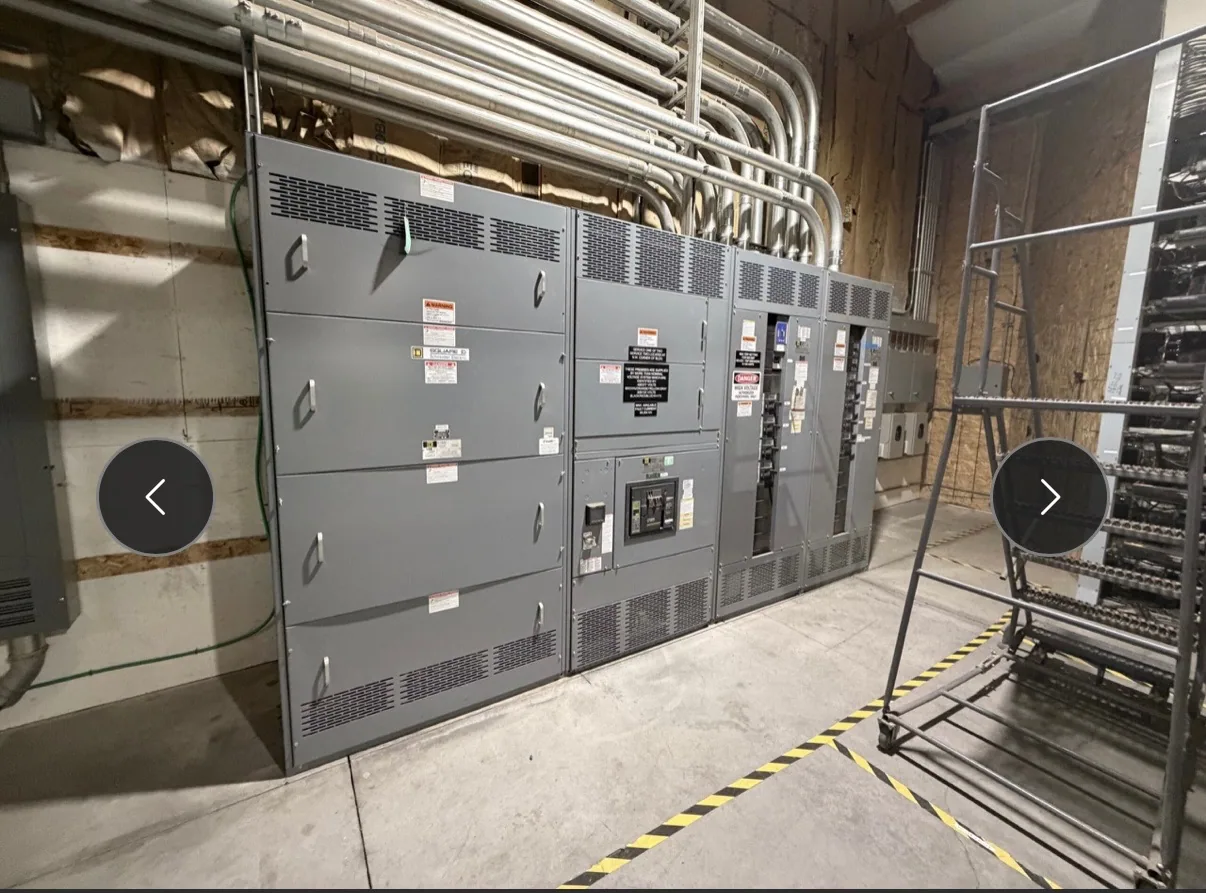
Voltage rating is one part of a coordinated design. Insulation requirements, clearances, barriers, and the equipment’s construction must suit the specified voltage class and applicable requirements. Metal-clad construction generally organizes equipment into separated compartments, while removable devices and defined interfaces support the intended arrangement. Those features do not independently establish a voltage rating or prove suitability for a particular system.
Protection devices, instrument transformers, control wiring, cable terminations, and maintenance access also need to align with the project design. Specify how the switchgear connects to incoming and outgoing circuits, and identify any interface requirements that affect compartment layout or device selection. The engineer should verify coordination among the equipment ratings, protective scheme, and connected system. Treat each item as a project-specific review, not an assumption based on the term “metal-clad.”
Use scenarios to expose missing information
Consider a chemical processing facility planning replacement or expansion of a medium-voltage distribution lineup. At the early planning stage, the nominal system voltage, grounding arrangement, fault information, and future feeder needs may still be unknown. This is an illustrative situation, not a recommended rating. The project engineer must establish the electrical data, perform necessary calculations, and determine which standards and design criteria govern the equipment.
Once the design basis is known, the buyer can ask the manufacturer to confirm the proposed equipment maximum voltage, insulation details, and compatibility with the specified system. A higher class should not be selected merely as a precaution without engineering review; it may affect equipment design, interfaces, and project cost. Conversely, a familiar nominal value is not enough to establish that a proposed assembly is suitable. Document the engineering decision and resolve open questions before approval.
Prepare a useful equipment specification
Provide the latest one-line diagram, the nominal system voltage at the lineup, grounding details, frequency, and the engineer’s required equipment voltage class. Include available system data and identify who will confirm short-circuit and protection requirements. State the number and purpose of sections, incoming and feeder arrangements, removable-device needs, control and metering interfaces, and cable-entry constraints. Mark preliminary information clearly so it is not mistaken for an approved design basis.
Request documentation that lets the project team review the proposed assembly against its requirements: equipment rating data, configuration details, included devices, exclusions, and any assumptions. Ask which standards are applicable to the specific design and what evidence or documentation will be supplied. Listing, testing, ratings, and standards applicability must be verified for the actual equipment. Do not assume a statement about one component establishes the status of the complete assembly.
Coordinate quotation, review, and delivery
Before requesting a quotation, identify the specification revision, required submittal schedule, approval responsibilities, and planned delivery location. Share known installation constraints and indicate which details remain pending engineering confirmation. This helps distinguish the requested scope from items that require clarification. South Carolina Switchgear Builders manufactures new equipment to specification, is US-built with all-American components, and ships nationwide; configuration and availability depend on the order and must be confirmed.
Review the quotation and submittals for agreement on voltage class, system data, lineup arrangement, devices, and exclusions before authorizing production. Resolve deviations through the responsible engineer and document accepted changes. Confirm actual availability and delivery dates for the specific order rather than assuming a standard lead time. Installation, testing, and maintenance should be performed by qualified personnel following applicable safety procedures. A complete, reconciled specification gives the manufacturer and project team a clear basis for producing and reviewing the new switchgear.