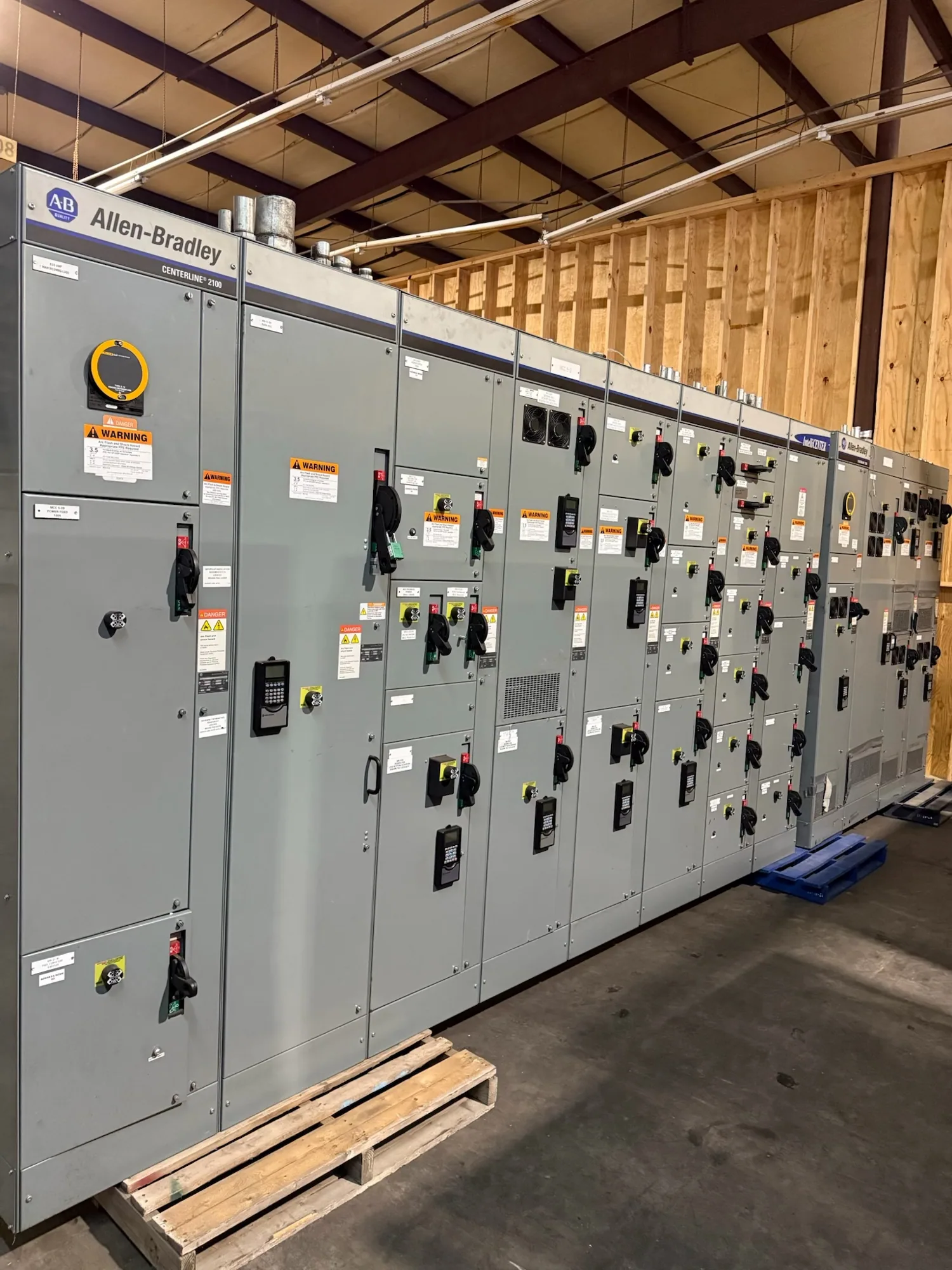
Start with the equipment class and installation setting
Metal-enclosed switchgear is not defined by its outer housing alone. The equipment class, switching devices, internal arrangement, and intended electrical duty shape the assembly. An enclosure rating addresses protection associated with the enclosure under specified conditions; it does not establish the switchgear’s voltage class, interrupting capability, insulation system, or suitability for every site condition. Identify the equipment and its application before choosing an enclosure designation.
Document whether the project calls for low-voltage switchgear, medium-voltage switchgear, or another defined assembly, then state where it will be installed. Indoor electrical rooms, covered exterior locations, and exposed outdoor sites present different environmental questions. The responsible engineer should verify the applicable rating system and designation for the actual equipment and installation. Do not select a label by appearance or assume that similarly named enclosures provide identical protection.
Translate exposure into a documented requirement
Describe the conditions the enclosure must address rather than relying on a general phrase such as “weatherproof.” Consider whether rain, windblown dust, washdown, condensation, corrosive agents, temperature variation, or other contaminants are credible at the installation point. Note how often exposure occurs, whether it is direct or incidental, and whether the area is controlled. These details let the design team evaluate an appropriate NEMA or other applicable enclosure designation.
A rating is not a substitute for reviewing the full environment. For example, a room may be indoors yet experience frequent cleaning, airborne process residue, or condensation near cooling equipment. Conversely, an outdoor location may have a shelter that changes direct exposure but does not eliminate humidity or wind-driven moisture. Record known conditions and uncertainties; ask the engineer to resolve the latter against site information and the governing project requirements.
Coordinate enclosure protection with construction
Construction class and enclosure protection must be specified together. Compartments, barriers, access panels, cable entry arrangements, and device placement depend on the equipment design. A request for a particular enclosure rating should therefore identify the switchgear class and the intended arrangement, not treat the housing as a separate accessory. The project engineer and manufacturer need to confirm that the requested combination can be furnished and documented for the specified assembly.
Grounding and bonding details also belong in the equipment review. State the project’s grounding approach and identify any required ground connections or provisions for incoming and outgoing conductors. The enclosure designation does not define the system grounding method or prove that a particular internal arrangement meets a project’s electrical requirements. Confirm those design details separately, including how access for connection and inspection will be maintained after installation.
Balance protection, service access, and heat management
Greater enclosure protection may affect doors, ventilation, cable entry, inspection, and maintenance access. It should not be assumed that any rating can be added without changing the design. Ask how the specified construction handles heat dissipation, how personnel reach operating and service points, and whether access doors or removable panels suit the room layout. Qualified personnel must perform installation, testing, and maintenance under applicable safety procedures.
Provide working-space and equipment-room constraints early, including approach direction, wall clearances, overhead obstructions, floor conditions, cable routing, and planned conduit or busway entries. The engineer should confirm access and layout against the applicable design requirements. If the environment calls for cleaning or periodic inspection, explain the process and frequency so the enclosure and access arrangement can be reviewed as a whole rather than selected from a rating name alone.
Use the site scenario to expose unanswered questions
Consider a food and beverage facility where switchgear is planned near a production area. The actual room location, cleaning method, washdown exposure, airborne residue, temperature, and humidity are unknown until the project team supplies them. Do not assume that the facility’s industry alone determines an enclosure rating. The engineer should assess the specific installation point, distinguish direct washdown from nearby moisture, and document any environmental conditions that require further review.
The same review should address equipment class, switching-device requirements, grounding, cable access, and service clearances. The engineer should confirm applicable calculations, standards, and project criteria rather than infer them from an enclosure designation. If exposure varies across the equipment line-up, ask whether the entire assembly must meet one requirement or whether the specification needs a defined, coordinated arrangement. Resolve those questions before equipment drawings are approved.
Prepare a useful specification and submittal package
Send the manufacturer the one-line diagram, system voltage and available project ratings, equipment class, intended indoor or outdoor location, and known environmental exposures. Include the requested enclosure standard and designation, access orientation, room and footprint constraints, cable-entry direction, grounding details, and any project-specific construction notes. Mark unknown values clearly instead of filling gaps with assumptions. The responsible engineer should verify electrical and environmental requirements before they become purchasing criteria.
Ask the submittal to identify the proposed equipment construction, enclosure designation and its stated scope, access arrangement, relevant exclusions, and any items requiring project confirmation. Request drawings and documentation needed for the engineer’s review, and identify who will resolve comments and approve revisions. Listing, testing, ratings, and standards applicability must be confirmed for the specific supplied design; no enclosure description alone establishes these attributes for every assembly.
Confirm the design before procurement
A complete enclosure requirement connects the real installation conditions to the specified switchgear construction, access needs, and project documentation. Share site information early, ask the engineer to confirm the applicable designation, and review the manufacturer’s proposed assembly against the approved specification. Availability and lead time depend on the order and require confirmation. This disciplined review helps the project team align the enclosure with the equipment and its environment before final procurement decisions.