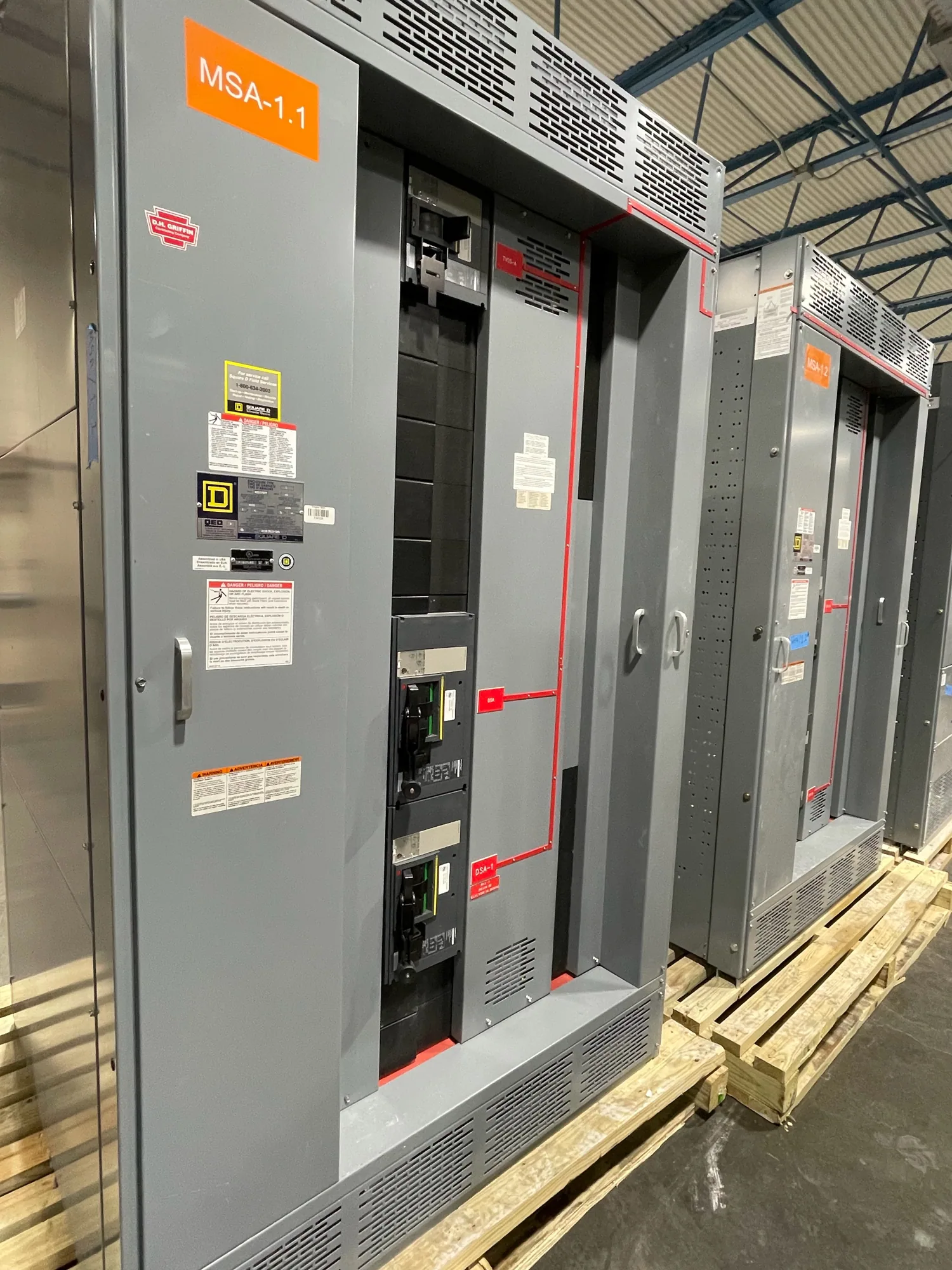
Start with the system, not the enclosure — Metal-Enclosed Switchgear: Voltage Ratings
Metal-enclosed switchgear describes equipment arranged within a metal enclosure; it does not, by itself, establish the voltage class or intended application. Begin selection with the system the equipment must serve. The nominal system voltage identifies the network’s designated operating level, while the equipment voltage rating and maximum voltage indicate the voltage conditions the specified design is intended to accommodate. These are related values, but they are not interchangeable.
Identify whether the system is low-voltage or medium-voltage equipment and confirm the actual voltage class in the project documents. For example, 480 V class equipment is low voltage, while 5 kV and 15 kV class equipment are medium voltage. Those examples do not define a universal boundary or determine which assembly is appropriate. The responsible engineer should confirm the project’s system conditions, applicable standards and equipment category before a manufacturer prepares a design.
Nominal voltage and equipment maximum voltage
Nominal voltage is a useful system description, not a complete equipment specification. Equipment selection must also account for the applicable maximum system voltage and the rating conventions for the equipment class. A nominal value alone may not show every operating condition that matters to insulation or switching-device selection. Ask the engineer to identify the governing voltage values and explain how they apply to the particular system and specified assembly.
Do not assume that two products with similar nominal voltage labels have equivalent capability or construction. The applicable standard, design class, device ratings and assembly configuration matter. The manufacturer needs enough information to evaluate the requested equipment against the project specification; the buyer should not substitute a generic voltage label for a coordinated design review. Ratings and standards applicability must be confirmed for the actual proposed equipment.
Insulation and system configuration affect selection
Insulation coordination is part of matching equipment to its service conditions, rather than a separate box to check after choosing a voltage label. The project engineer should determine relevant insulation requirements using the system design and applicable standards. Depending on the equipment class and specification, the review may address insulation levels, clearances, switching duty and environmental conditions. Do not infer an insulation capability from enclosure appearance or a product name.
System configuration also matters. Provide the engineer and manufacturer with the system grounding method, phase arrangement, frequency and source information required by the specification. These details can affect the selected switching devices, protective arrangements and equipment design. Grounding assumptions should be stated rather than left implicit, especially where the project has multiple sources, transformers or operating modes. The final requirements depend on the actual system and must be verified by qualified project personnel.
Coordinate the equipment class and construction
Voltage class connects to the equipment’s construction and the devices it contains. Metal-enclosed designs are not all interchangeable: intended service, compartment arrangement, access, switching functions and specified components should fit the application. Confirm the required equipment category and governing standard, then ask which construction features and devices are included in the proposed scope. Do not assume that a general description establishes a particular interrupting capability, insulation level or assembly listing.
Consider service access and operating procedures alongside electrical ratings. The specification should describe which compartments require access, how the equipment will be arranged in the available space, and any project constraints affecting cable entry, maintenance clearance or interfaces. Qualified personnel must perform installation, testing and maintenance under applicable safety procedures. A voltage rating does not settle these layout and work-planning questions, but addressing them early can help avoid revisions after the equipment design is developed.
Illustrative chemical-processing scenario
Consider a chemical-processing facility planning a new feeder lineup. At the early planning stage, the nominal voltage, maximum system voltage, grounding method, fault conditions and required equipment class are unknown. These unknowns are not values to guess. The project engineer must establish the system data, review applicable standards and determine the suitable equipment requirements before the buyer requests a configuration or evaluates a proposed assembly.
The tradeoff is not simply choosing a higher voltage label for extra margin. Equipment must suit the actual network and its specified duties; an unsuitable class can create design, interface and cost consequences, while an unsupported assumption can obscure a necessary engineering review. Ask the engineer to document the basis for the chosen class and insulation requirements. Then provide that basis to the manufacturer so the proposed equipment can be checked against the project’s stated scope.
Information to provide with a specification request
Include the nominal and maximum system voltage, frequency, phase arrangement, grounding method, source and transformer information, and the applicable equipment class and standards. Provide available system studies or the project engineer’s established design criteria where relevant. Identify switching and protective-device functions, required operating arrangements, cable and bus interfaces, environmental conditions, enclosure needs and service-access constraints. Clearly distinguish confirmed project data from assumptions or items awaiting engineering review.
Request documentation that makes the proposed scope reviewable: equipment ratings, applicable standards and listing status if required, included devices, configuration, interfaces, exclusions and open technical questions. Any listing, test, rating or standards claim must be confirmed for the actual design and supplied assembly; applicability cannot be assumed from a product category. If the specification is incomplete, identify who will resolve each open item and when it is needed for design coordination.
Coordinate the next project steps
Before placing an order, reconcile the equipment schedule, one-line diagram, project specification and manufacturer’s proposal. Confirm that voltage terminology is consistent across those documents and that the specified equipment class matches the engineer’s system review. Resolve exceptions in writing, including any deviations, assumptions or requirements that depend on project conditions. Availability and lead times vary by order and require confirmation; delivery planning should be coordinated with the project schedule rather than presumed.
South Carolina Switchgear Builders manufactures new equipment to specification, with US-built equipment and all-American components, and ships nationwide. Share the design basis and project documentation early so the manufacturer can review the requested scope and identify information needed to develop a proposal. Final ratings, configuration, standards applicability and schedule must be confirmed for the specific order. That disciplined coordination helps the buyer move from a voltage requirement to equipment defined for the actual system.