Start with the assembly and its intended use
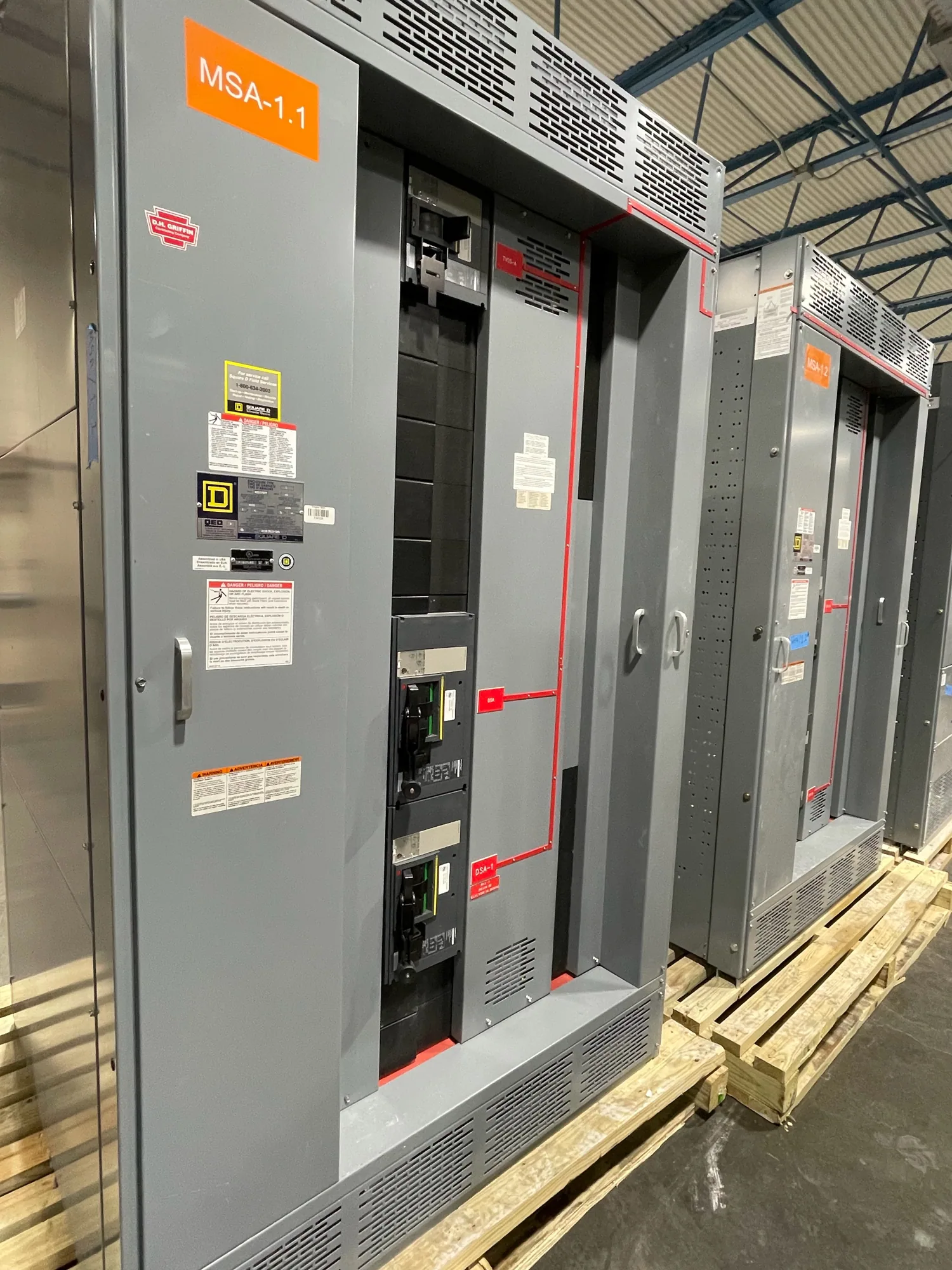
A motor control center (MCC) groups motor-control units and related equipment in a coordinated assembly. Its role is distinct from that of switchgear or a switchboard, even though all may appear in the same electrical distribution system. When a project specification cites codes and standards, first identify exactly which equipment the citation governs: the MCC assembly, an individual starter or drive, its field wiring, or the building installation.
Applicable requirements depend on the equipment design, project location, contract documents, and adopted code editions. The authority having jurisdiction (AHJ) determines how applicable requirements are administered for a particular project. Utility rules may also affect service arrangements or coordination at the point of connection, but they are not a substitute for equipment standards or installation-code review. A qualified project engineer should resolve the governing requirements.
Confirm the applicable standard and edition
Do not assume that a standard named in an older specification automatically applies to a new MCC or that every component and assembly is covered in the same way. Ask the engineer to identify the applicable product standard, edition, any referenced component standards, and the project’s adopted installation-code edition. Confirm whether contract requirements add documentation or evaluation criteria beyond the rules that apply to the installation.
Then make the scope explicit. Requirements for an assembled MCC do not automatically establish the suitability of every motor starter, variable-frequency drive, protective device, or accessory in that assembly. The supplier should review the actual configuration against the requested specification and identify any exceptions for engineering resolution. Listing or certification, where required, must be confirmed for the specific equipment and construction; do not treat it as universal across all MCC designs.
Connect compliance to motor-control choices
Starter type and drive selection affect more than the control sequence. The engineer may need to consider motor characteristics, starting method, protective-device coordination, available fault information, control power, and how the MCC connects to upstream and downstream equipment. A code citation alone cannot determine these selections. Provide the motor schedule and operating requirements so the responsible design team can establish the intended configuration.
Heat and space also deserve early attention. Drives and other electronic devices can add heat, and the acceptable arrangement depends on equipment construction, loading, environment, and manufacturer data. Ask the engineer and supplier to review enclosure conditions, ventilation assumptions, grouping, and any specified ambient conditions. Do not presume a particular derating, spacing, or cooling solution without checking the actual design and equipment documentation.
Plan for loads that may be added later
Future motor loads can influence lineup space, feeder capacity, control architecture, and the project’s spare-unit strategy. “Space for growth” is not a complete requirement: distinguish between an empty physical space, a provision for a future unit, and a fully equipped spare. Confirm what the design allows, what components are included, and whether future additions would require renewed engineering review or field changes.
For example, a hospitality or resort project might include pumps, kitchen equipment, ventilation, laundry, and other motor loads. This is an illustrative scenario, not a statement about any particular facility. Motor data, operating profiles, environmental conditions, and future plans are unknown until supplied. The project engineer must evaluate calculations, protection, coordination, and applicable standards for the actual system before the MCC is specified.
Keep installation rules and local review in view
Product requirements and installation requirements answer different questions. The equipment specification addresses the assembly as supplied; installation codes and project documents govern how the system is applied and installed. The AHJ’s review may require project-specific information. Utility requirements may influence interfaces or service coordination. Identify the project jurisdiction and responsible reviewers early, and ask the engineer to document which editions and requirements govern.
Responsibility should be clear across the project team. The equipment supplier can review the requested MCC configuration and provide applicable equipment documentation, while the engineer determines system design and code application. The installing contractor follows approved drawings, manufacturer instructions, and applicable safety procedures. Installation, testing, and maintenance must be performed by qualified personnel; never plan work on energized equipment as a shortcut.
Prepare a useful specification and submittal package
Include the project location, one-line diagram, system voltage and available system information, motor schedule, control requirements, environmental conditions, and the requested standard and edition. Identify starter and drive preferences, feeder and branch-circuit requirements, enclosure expectations, lineup constraints, spare-unit intent, and interfaces with other equipment. Mark unknown values as pending engineering review rather than filling gaps with assumptions.
- State required equipment scope and identify excluded field wiring, devices, or services.
- List required drawings, ratings, data, and submittal review milestones.
- Request exceptions to be identified against the project specification.
- Ask which listing, testing, or documentation requirements apply to the actual assembly.
- Confirm coordination points, delivery expectations, and approval responsibilities with the project team.
Resolve open items before ordering
A clear specification gives the manufacturer a basis to review a new MCC against the project’s intended requirements. Before release, reconcile open technical questions, confirm the selected configuration and documentation, and obtain approval of submittals through the project’s established process. Availability and lead times depend on the order and should be confirmed. Careful coordination among the engineer, supplier, contractor, and AHJ helps keep equipment scope distinct from installation obligations and reduces avoidable uncertainty.