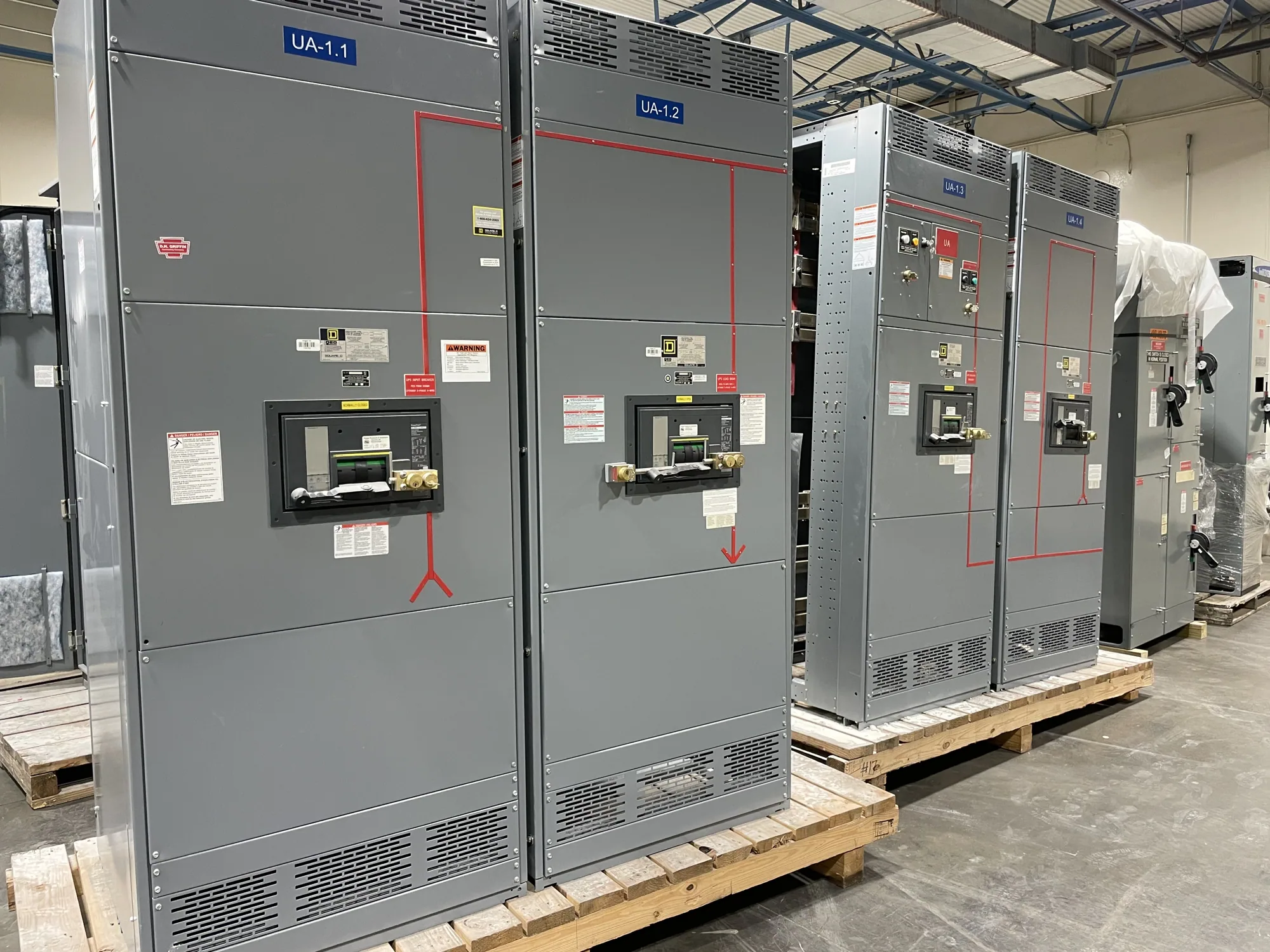
Where arc-flash planning fits
Outdoor switchgear serves electrical distribution systems exposed to weather and site conditions, but an outdoor enclosure does not change the need to assess electrical hazards. Arc-flash risk depends on the actual system, equipment configuration, protective-device settings, operating condition, and task. A design discussion should therefore begin with the project’s electrical study and work-practice program, not an assumption that a particular enclosure or feature makes the equipment safe to approach.
For a new equipment order, the manufacturer needs the project requirements that define the assembly and its interfaces. The owner’s qualified electrical engineer or study professional determines applicable calculations, labels, protection settings, and safe work practices. Equipment design options can support the intended application, but they do not replace those responsibilities. Confirm which decisions belong to the engineer, owner, installer, and equipment supplier before specifications are finalized.
Study inputs and operating conditions
A qualified arc-flash assessment uses project-specific information, which may include the one-line diagram, available fault-current data, transformer and conductor details, protective-device types and settings, and the operating configuration being evaluated. The responsible engineer should identify the assumptions and boundaries of the study. Do not treat a preliminary value, an upstream utility estimate, or a similar facility’s result as a confirmed incident-energy result for the proposed assembly.
Operating modes matter. Normal and alternate sources, tie-breaker positions, generator operation, and maintenance settings may produce different protective behavior. The engineer should determine which configurations and tasks need evaluation and how any reduced-energy or maintenance mode is controlled and documented. A new switchgear specification should identify required interfaces or provisions only after the project team has decided they are appropriate and confirmed their technical basis.
Enclosure design is not hazard elimination
Outdoor application adds physical design questions that can affect access and long-term condition. Specify the installation environment, exposure, enclosure arrangement, cable entry direction, foundation dimensions, and required working clearances. Moisture management, condensation control, drainage, and corrosion considerations should be addressed for the actual site and selected construction. These features can help the equipment suit its environment; they should not be presented as reducing incident energy unless a qualified study supports that conclusion.
Plan maintenance and operating access alongside the enclosure. The site layout should allow qualified personnel to reach intended operating points while maintaining required clearances and following applicable safety procedures. Consider how doors, barriers, control compartments, and cable compartments are arranged, and which tasks require access. The specification should make the intended access and operating method clear, while leaving hazard analysis and safe-work decisions to the responsible electrical professionals.
Design choices and practical trade-offs
Equipment configuration can affect how a system is operated and maintained, but every option has trade-offs. Remote operation, for example, may change where an operator stands during a particular operation; it does not establish that all hazards are removed or that every task can be performed remotely. Likewise, compartmentation and barriers serve equipment and access purposes that must be verified for the design. Ask the engineer to define the desired function, interfaces, and acceptance criteria.
Protective-device coordination presents another project-level trade-off. Settings that support selectivity may differ from settings that reduce clearing time, and changes can affect other system objectives. The equipment supplier should receive the approved device and control requirements, but the engineer responsible for the system must validate settings and study results. Never infer a safe approach distance or incident-energy value from a product description alone.
Illustrative manufacturing scenario
Consider an automotive manufacturing facility planning a new outdoor distribution lineup near a production area. At the planning stage, the available fault current, feeder lengths, operating modes, enclosure exposure, and exact equipment arrangement may all be unknown. Those unknowns should remain identified as open engineering inputs rather than being replaced with assumed values. A qualified engineer would develop or confirm the system model and determine which operating cases and work tasks require evaluation.
The project team can then coordinate the equipment specification with that analysis: confirm the required arrangement, interfaces, access, environmental provisions, and protective-device information. The scenario does not establish an incident-energy result, rating, listing, or code outcome. Those depend on the actual design and review. The same discipline applies to any site: use the facility’s verified data and qualified engineering review before approving settings, labels, or work procedures.
Information to provide with a specification
- Provide the latest one-line diagram, system voltage, source and transformer information, available fault-current data, and known conductor details; clearly mark values that remain preliminary.
- Describe normal and alternate operating configurations, required protective devices and controls, approved settings if available, and any planned maintenance or remote-operation functions.
- State the outdoor site conditions, enclosure and cable-entry preferences, foundation and access constraints, and the project’s documentation and submittal requirements.
- Identify the responsible engineer and clarify which party will provide study results, labels, settings, installation review, and operating procedures.
Ask the supplier to identify what is included in the proposed equipment and what remains project engineering, field installation, or owner responsibility. Confirm the applicable equipment class and design details, and request review of any study-dependent interface before release. Availability and delivery timing depend on the confirmed order and must be verified against the actual specification.
Coordinate review before release
Before approving submittals, compare the equipment documents with the current one-line diagram and study assumptions. Resolve differences in device selection, settings interfaces, compartment access, enclosure details, and site connections through the responsible project professionals. A specification should distinguish confirmed requirements from pending engineering decisions, so unresolved assumptions do not become accidental design criteria.
New outdoor switchgear can be built to specification, with project configuration and documentation confirmed for the particular order. Installation, testing, operation, and maintenance must be handled by qualified personnel following applicable safety procedures. Keep the study, approved equipment information, and work-practice program coordinated as the project develops; this creates a clearer basis for purchasing equipment that fits the site without overstating what equipment design alone can accomplish.