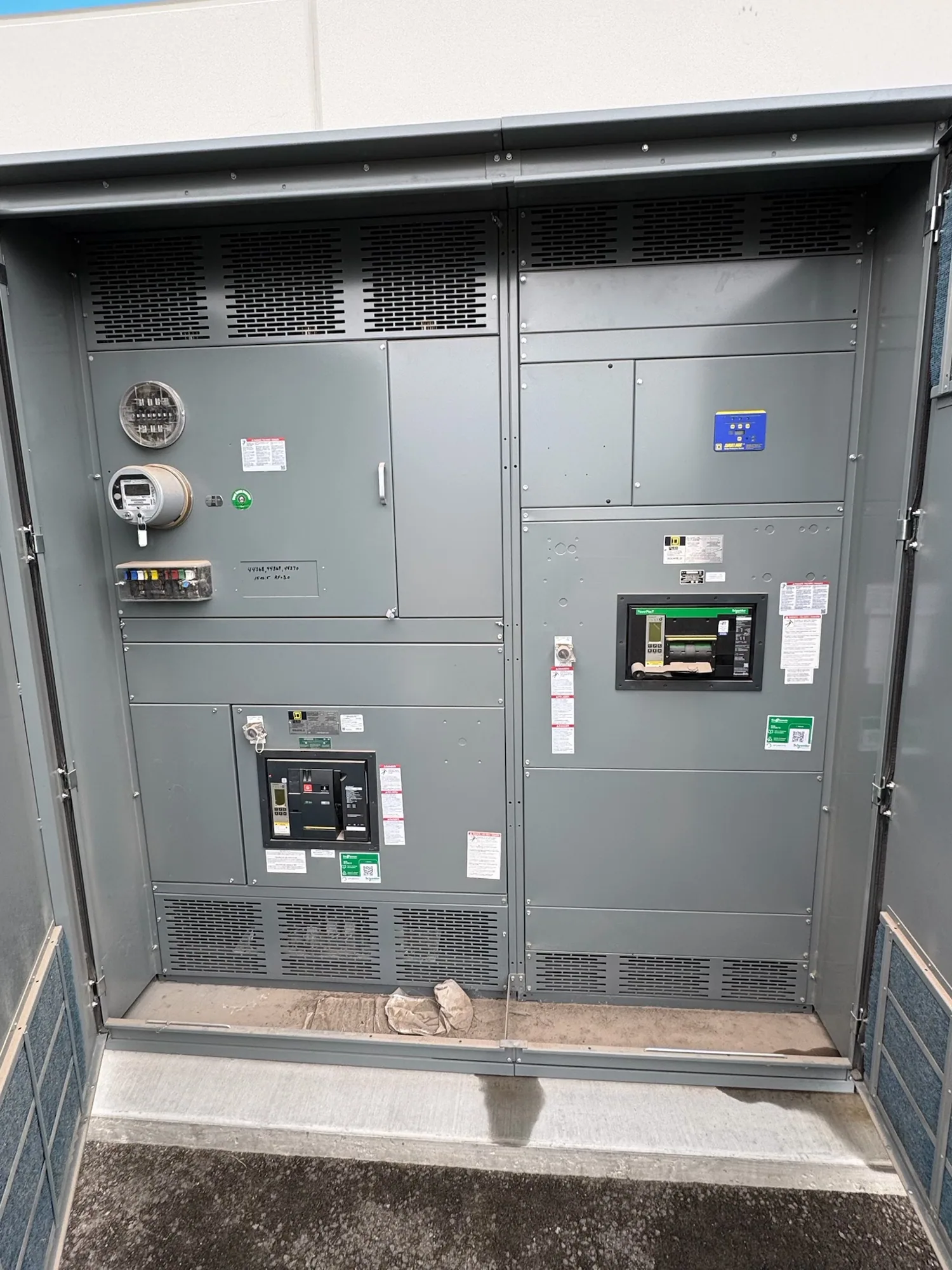
Start with the actual equipment and installation
Outdoor switchgear is not governed by one universal rule that covers every assembly and site. The applicable requirements depend on what equipment is being specified, its voltage class and intended function, how it will be installed, and the codes and standards adopted for the project. Utility rules and authority having jurisdiction (AHJ) requirements may also affect the design or review.
Separate the equipment requirements from installation requirements. A product standard addresses the equipment within its defined scope; electrical installation codes address how equipment is installed and connected. Site conditions, utility interfaces, and permitting or inspection requirements add project-specific considerations. The project engineer should identify the governing documents and editions rather than assuming that a familiar standard applies automatically.
Confirm scope and edition before design is fixed
First establish whether the specified assembly is low-voltage switchboard equipment or medium-voltage switchgear. Those terms are not interchangeable, and a standard applicable to one product category should not be carried over to another. For example, UL 891 applies to eligible low-voltage switchboards; applicability and assembly listing must be confirmed for the specific design. It should not be treated as a blanket requirement for medium-voltage switchgear.
Record the standard, edition, and project basis in the specification only after the responsible engineer has checked applicability. Confirm whether the jurisdiction has adopted a particular edition of an installation code and whether project documents impose additional requirements. A referenced standard may not settle questions about site clearances, utility coordination, or inspection acceptance. Ask the AHJ and utility appropriate questions early, and document who is responsible for resolving each one.
Make enclosure and site conditions part of the review
Outdoor placement makes the enclosure and installation environment central to equipment selection. Describe expected exposure to rain, windblown moisture, dust, temperature changes, sunlight, and any corrosive or coastal conditions that may be relevant. Do not substitute a general label such as “weatherproof” for a defined enclosure requirement. Have the engineer determine what environmental protection is needed and verify that the proposed equipment configuration addresses it.
Moisture management is also a system-level concern. Consider how the installation will limit water entry at cable interfaces, conduits, doors, and the supporting pad, while preserving the equipment’s specified construction. The foundation, drainage, anchoring, and cable-entry arrangement should be coordinated with the equipment drawings and site design. Do not assume that an outdoor enclosure alone resolves condensation, standing water, or site drainage conditions.
Coordinate access, operation, and maintenance
Set the equipment location with working space, door swing, operating access, and planned maintenance access in mind. Nearby walls, traffic routes, landscaping, fences, and other electrical equipment can constrain access or affect cable routing. The project team should verify clearances and access requirements against the applicable installation rules, the selected equipment arrangement, and site plans. Qualified personnel should perform installation, inspection, testing, and maintenance under applicable safety procedures.
Access decisions can influence practical tradeoffs. A more protected location may require longer cable routes or a different foundation arrangement; a convenient location may be more exposed to weather, vehicle movement, or public access. Identify these constraints before finalizing the equipment specification. Confirm whether the project requires particular operating interfaces, provisions for future work, or documented maintenance access, and have the responsible engineer assess their effect on the design.
Use a project scenario to expose unknowns
Consider a hypothetical hospitality or resort project adding outdoor distribution near a service area. Its voltage class, load, available fault current, utility interface, exposure conditions, and adopted code edition are unknown. Treat each as an open design input, not as an assumed value. The project engineer must establish the electrical basis and review the applicable standards, installation code, utility requirements, and AHJ process for the actual site.
From there, the team can compare feasible equipment locations and enclosure requirements, coordinate the pad and cable approach, and identify maintenance access. A hospitality setting may also call for careful coordination around guest circulation or service operations, but those constraints do not establish a particular rating or code obligation. Record the assumptions, assign owners for unresolved items, and update the specification when verified project information becomes available.
Prepare a complete specification and submittal package
When requesting a manufacturer review or quotation, provide the equipment type and voltage class; one-line diagram; system and connection details; available electrical ratings or engineer-established requirements; and the applicable standards and editions identified by the project team. Include the intended outdoor location, exposure conditions, cable entry direction, site and foundation information, access constraints, and utility or AHJ requirements that are known. Clearly mark unknowns rather than filling gaps with guesses.
- Identify the governing equipment standard and edition, plus installation-code and project requirements.
- State enclosure and environmental needs, site constraints, and proposed cable-entry arrangement.
- Provide drawing, labeling, testing, listing, and submittal requirements for confirmation against the actual design.
- List exclusions, assumptions, open decisions, and the parties responsible for approvals and site work.
Be explicit about what the equipment package does not include, such as civil work, foundations, field wiring, permits, or utility approvals, if those items are outside the requested supply scope. Confirm availability, configuration, delivery timing, and any listing or testing requirements against the actual specification; none should be inferred from a generic product description. Early coordination between the engineer, manufacturer, site team, utility, and AHJ helps surface conflicts before procurement documents are finalized.
Turn standards questions into actionable project decisions
A useful outdoor switchgear specification connects each requirement to its source and confirms that the source applies to the selected equipment. It also gives the supplier enough verified information to evaluate the requested configuration without substituting assumptions for engineering decisions. When requirements remain unsettled, identify them as pending and assign a responsible reviewer and decision point.
South Carolina Switchgear Builders manufactures new switchgear and switchboards to specification, with US-built equipment, all-American components, and nationwide shipping. Availability and lead times depend on the order and must be confirmed. Share the project’s equipment scope, governing documents, site conditions, and open questions so the proposed configuration and submittal expectations can be reviewed against the actual project.