Start with the equipment category
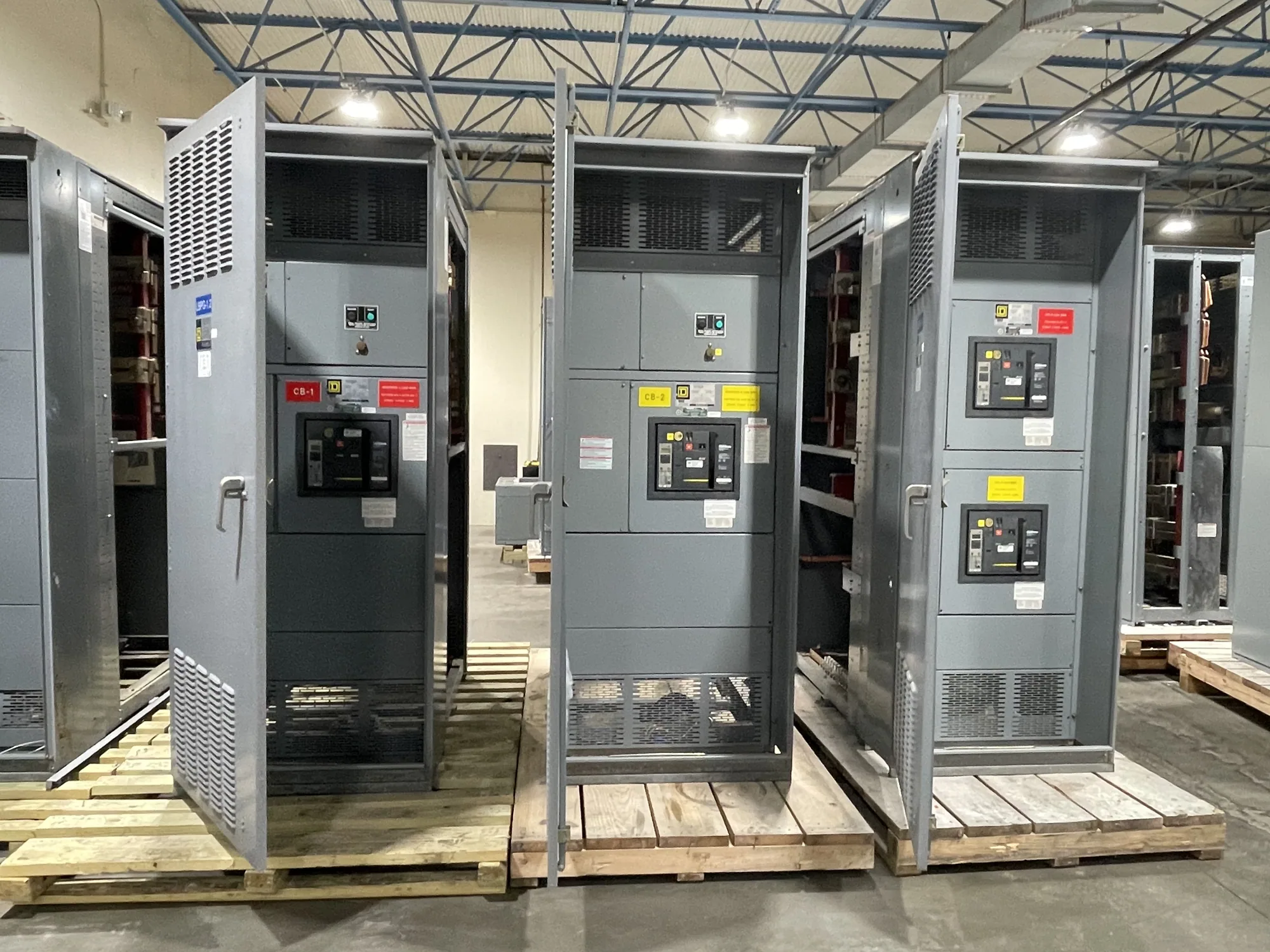
Power distribution panelboards serve branch-circuit distribution and are a distinct equipment category from switchgear and switchboards. That distinction matters when a project team selects product standards, writes a specification, reviews submittals, and coordinates installation requirements. A requirement that applies to one equipment category cannot be assumed to govern another simply because both products distribute electrical power.
Begin by describing the intended panelboard function, system connection, location, and served loads. Then have the responsible project engineer identify the applicable equipment standard and edition for the actual design and project. Separately identify the installation code, local amendments, utility rules where relevant, and requirements of the authority having jurisdiction (AHJ). These sources address different parts of the project and should not be treated as interchangeable.
Identify the governing documents and editions
Codes and standards change, and adoption can differ by jurisdiction and project. The specification should therefore identify the applicable documents and editions rather than use a broad phrase such as “meet all current standards.” The design team should confirm which installation code has been adopted, whether amendments apply, and which equipment standard and edition are appropriate for the panelboard’s construction and intended use.
Also clarify the order of precedence if contract documents, owner criteria, utility requirements, and jurisdictional direction appear to conflict. This is a coordination question for the project engineer, owner, and AHJ—not something a product name alone resolves. A manufacturer can review the stated requirements against the proposed equipment configuration, but the project’s responsible professionals determine applicable code obligations and acceptance criteria.
Connect standards review to panelboard design
The panelboard schedule and one-line diagram should agree on system voltage and phase, feeder arrangement, branch-circuit count, load descriptions, and protective-device needs. Confirm available physical space and any spare or future circuit allowance. Those choices affect enclosure size, layout, wiring access, and the way the equipment coordinates with upstream and downstream devices. Avoid leaving material selections implicit when they could change the specified assembly.
Fault-current information is especially important. The engineer should establish the available fault current at the panelboard location and specify the required short-circuit rating and protective-device arrangement. Any series-rated or selectively coordinated design assumptions need explicit engineering review and appropriate documentation. Do not infer an acceptable rating from a neighboring panel or a general product description; confirm the values and conditions for the actual system.
Placement brings additional project-specific considerations. Identify indoor or outdoor location, environmental exposure, access and working-space constraints, mounting conditions, and enclosure requirements. Coordinate clearances and service access with architectural and electrical plans. If the panelboard serves sensitive, critical, or specialized loads, state the operational requirements and ask the engineer to determine whether they change the design, protection, or documentation.
Consider a hospitality project scenario
For a hypothetical hotel renovation, a team might be planning a new branch-circuit panelboard for guest-room or common-area loads. The voltage, phase, load, fault-current, location, and circuit-count values are unknown until verified; they should not be guessed from the building type. The engineer would gather field and design information, calculate or confirm demand, and identify the applicable code editions and project criteria.
The practical trade-off may be between a compact schedule that fits the available electrical space and room for future circuits, alongside coordination with existing feeders and protective devices. A larger circuit allowance is not automatically better if space, conductor routing, or project scope constrains it. The engineer should document assumptions and verify the final selection, while the AHJ determines acceptance under the applicable local process.
Build a complete equipment specification
Before requesting a manufacturer review or quotation, provide the one-line diagram, panelboard schedules, system voltage and phase, feeder and branch-circuit requirements, available fault-current information, required ratings, and specified protective-device details. Include the installation environment, enclosure and mounting needs, dimensions or space constraints, and any project-specific labeling or documentation criteria. Identify the governing equipment standard and edition, installation code basis, amendments, and known owner or AHJ requirements.
Mark unresolved information as pending rather than filling gaps with assumptions. Ask which design details require confirmation, whether a requested feature changes the proposed configuration, and what submittal documents are available for review. Distinguish mandatory requirements from preferences, and identify any exclusions or interfaces that belong to other equipment or project scopes. This makes technical exceptions visible before procurement documents are finalized.
Coordinate submittals, manufacture, and installation
Review the panelboard submittal against the approved schedules and diagrams, checking circuit assignments, protective-device details, ratings, enclosure, and stated standards. Resolve deviations through the engineer and owner before release for manufacture. Applicable listing, testing, ratings, and standards depend on the actual equipment and must be confirmed for the supplied design; no general statement substitutes for assembly-specific documentation.
South Carolina Switchgear Builders manufactures new equipment to specification, with US-built equipment and all-American components, and ships nationwide. Availability and actual lead times depend on the order and must be confirmed. Provide complete, coordinated project documents early, then confirm the final configuration, required records, delivery timing, and installation interfaces with the project team. Installation, testing, and maintenance should be performed by qualified personnel following applicable safety procedures.