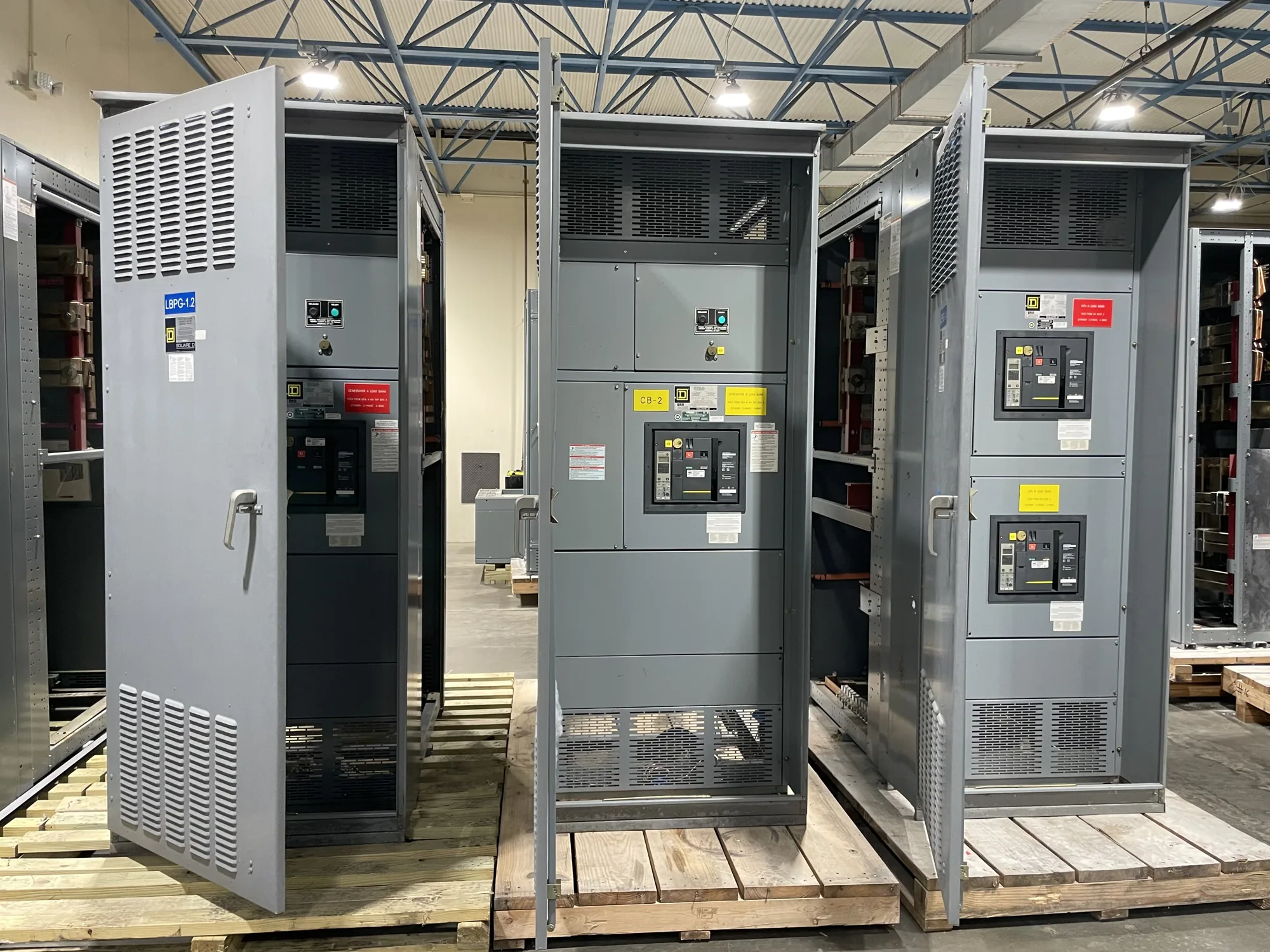
What continuous current means for a panelboard
A power distribution panelboard serves branch circuits and their overcurrent protective devices; it is a distinct equipment category from switchgear. Its continuous current specification must fit the current the design expects it to carry during normal operation, while also respecting the ratings and conditions stated for the actual assembly and its components. A panelboard’s headline rating alone does not establish that every branch device or application is suitable.
Start with the engineered load schedule, not a guess based on the building’s size or a future expansion allowance. The responsible electrical designer determines expected demand, applicable load calculations and any continuous-load treatment under the governing project requirements. Distinguish normal operating current from short-duration starting or inrush current, and identify loads that may operate together. The resulting design basis helps the manufacturer evaluate a configuration without substituting a nameplate rating for load analysis.
Relate load, bus and protective-device ratings
Panelboard selection involves interacting limits: the panelboard’s bus rating, the main protective device if included, branch-circuit devices, conductor terminations, and the conditions under which the assembly is specified. Each item needs to suit its role. A main device rating does not automatically establish the permitted load on every branch, and a larger bus does not remove the need to coordinate protective devices with their circuits and connected equipment.
Provide the proposed one-line diagram and circuit schedule so the equipment can be reviewed as a complete arrangement. Identify feeder and branch overcurrent device types and ratings, poles, spare or future spaces, and any special coordination requirements. Confirm with the project engineer how the design addresses available fault current and the required short-circuit rating; this is a separate selection issue from continuous current capability. A suitable current rating cannot by itself establish fault performance.
Document operating conditions and placement
Temperature and installation conditions matter because equipment ratings and permitted loading depend on the specific product instructions and design. State the anticipated ambient conditions, indoor or outdoor location, enclosure requirements, ventilation constraints and mounting arrangement. If the panelboard will be near heat-producing process equipment, in a crowded electrical room, or exposed to unusual dust or moisture, include that context rather than assuming a standard installation.
Ask the manufacturer and responsible engineer to identify any applicable limitations, derating conditions or operating-temperature assumptions for the proposed assembly and devices. Do not apply a generic adjustment factor without checking the governing instructions and project criteria. Enclosure selection, conductor arrangement and neighboring equipment can affect the documented conditions. Final installation, inspection and testing should be handled by qualified personnel following the equipment documentation and applicable safety procedures.
Illustrative food and beverage application
Consider a food and beverage facility planning a panelboard for packaging and process-support circuits. The actual connected loads, operating schedules, ambient conditions and cleaning-area boundaries are unknown until the project team supplies them. Treat this as a coordination example, not a rating recommendation: the designer would identify which motors, heaters, controls and receptacle loads may run simultaneously, then calculate expected demand under the applicable design rules.
From there, the engineer can evaluate the feeder, bus and protective-device arrangement against the documented load and site conditions. Questions may include whether process loads create notable starting current, whether circuits need separation, and whether the specified enclosure suits the location. The project team should also confirm fault-current information and applicable codes and standards. No assumed current value or generic panelboard size can replace those project-specific checks.
Prepare a complete equipment specification
A useful inquiry includes the required system voltage and phase, intended panelboard function, estimated or calculated load, feeder details, circuit count, main-device requirements and proposed branch-device schedule. Add the one-line diagram, load calculations, available fault-current information, enclosure and mounting requirements, and expected operating environment. Clearly label preliminary assumptions and identify who will resolve them. This lets the equipment review focus on actual requirements rather than an incomplete nominal rating.
- Identify the applicable project drawings, code basis and responsible design contact.
- Provide bus and device requirements, including spare spaces and any planned expansion.
- State environmental conditions, installation location and any known derating questions.
- Request confirmation of the proposed assembly’s ratings, listing applicability and documentation against the final specification.
Review submittals and close open questions
Before approval, compare the submitted configuration with the drawings and load schedule. Check that the bus and protective-device details, circuit arrangement, enclosure and stated operating conditions match the design intent. Resolve discrepancies in writing with the project engineer and manufacturer. Any listing or standards applicability must be confirmed for the specific panelboard assembly; it should not be assumed from a general product description.
South Carolina Switchgear Builders manufactures new equipment to specification, including power distribution panelboards, and ships nationwide. Configuration, availability and delivery timing depend on the order and require confirmation. Supply the design basis early, request clarification wherever load or site data remain uncertain, and review the final equipment documents before release. That disciplined process connects continuous current requirements to the actual panelboard and installation rather than relying on a rating in isolation.